

Rawalpindi: Indian authorities and media recently reported that a man identified as Muhammad Asif, also known as Hashim Musa, had been killed during an encounter in Indian Illegally Occupied Jammu and Kashmir (IIOJK).
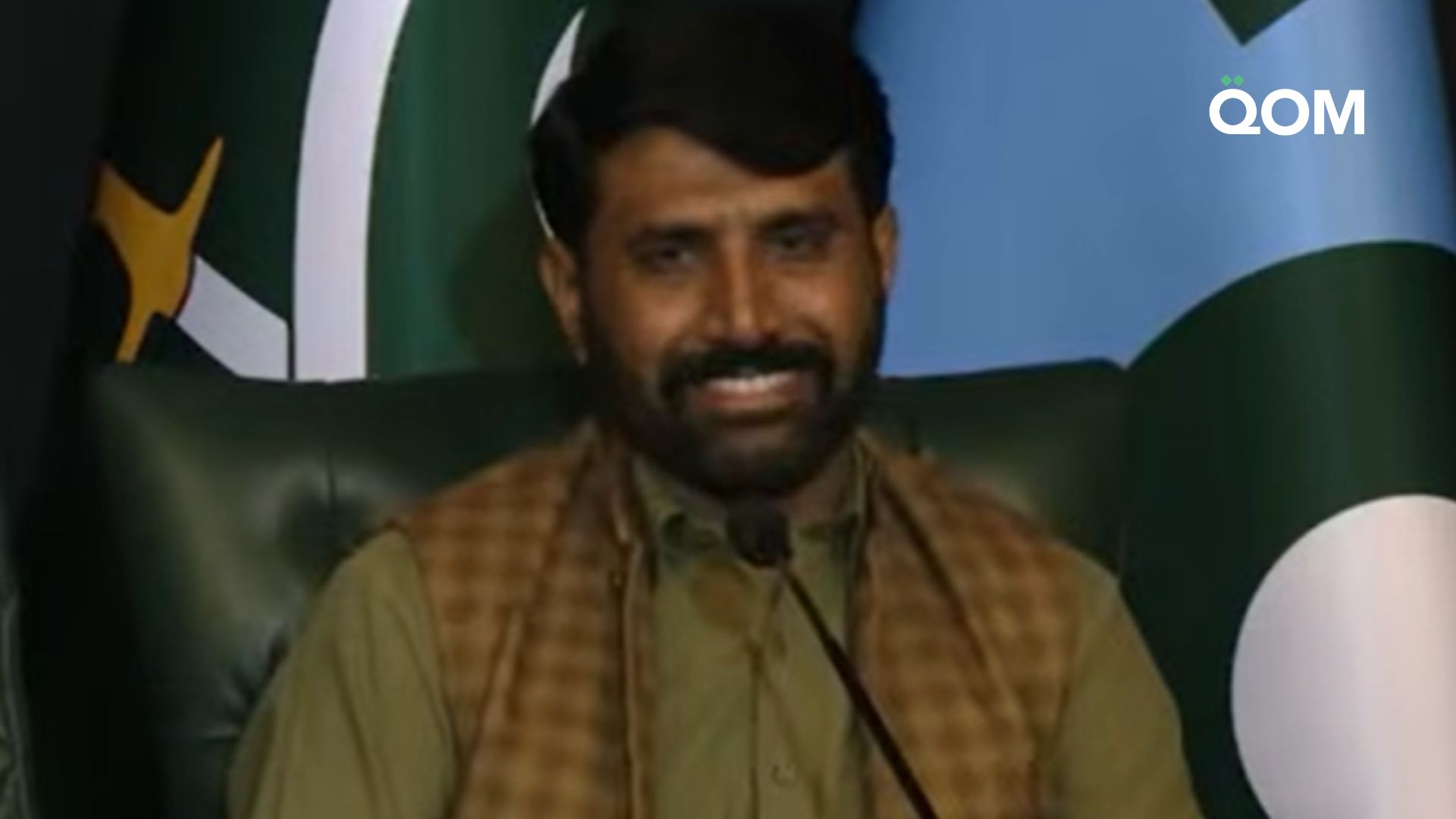
The claim was subsequently challenged when the Inter Services Public Relations (ISPR) Director General, Lieutenant General Ahmed Sharif Chaudhry, presented Muhammad Asif before the media in Rawalpindi on Thursday, showing that the retired Pakistan Army commando was alive.
According to Asif, he learned about the reports through friends who contacted him after seeing Indian media and social media posts claiming that he had been killed in Kashmir.
Speaking at the press conference, Asif said he was at his home in Tehsil Pindigheb, Attock District, when he was informed about the reports.
He said the situation became more unusual when he began receiving calls from unidentified Indian numbers asking about his personal information and whether he was the same person named in the reports.
Asif said he blocked the numbers and later saw television reports carrying his photograph and details from his military service while claiming that he had been killed in Kashmir.
“I was sitting at home, yet reports were claiming that I had been killed in Kashmir,” he said.
He added that he immediately contacted senior members of his former unit to clarify that he was safe. According to Asif, he was advised to block the suspicious calls and was told that ISPR would contact him regarding the matter.
Muhammad Asif's military background
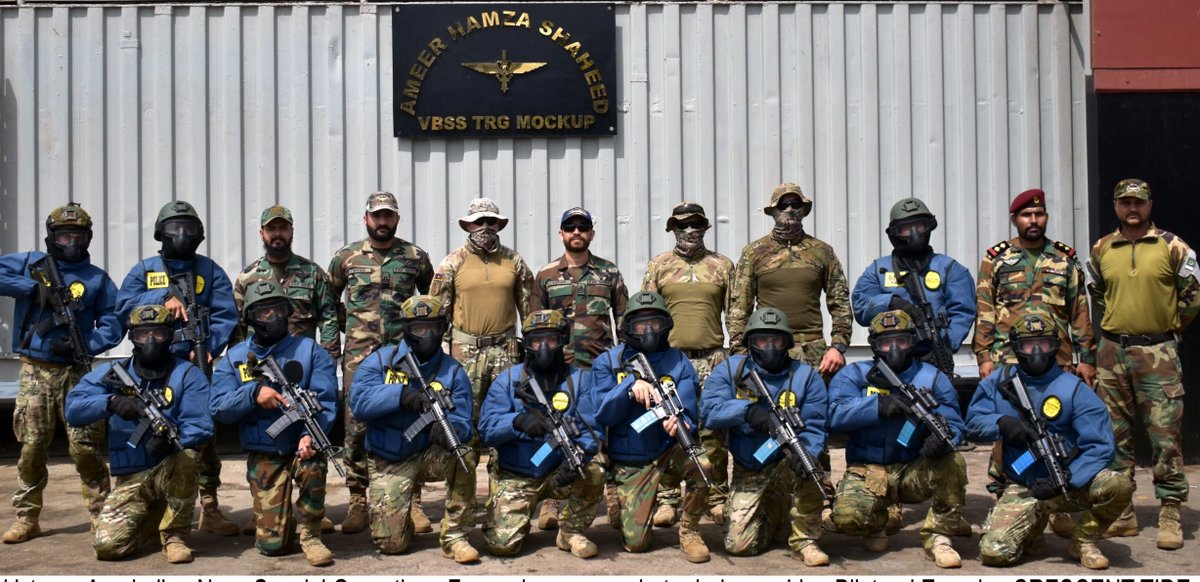
Asif said he joined the Pakistan Army's Artillery Corps in 2000. Five years later, in 2005, he became part of the Special Services Group (SSG), the Army's elite special operations unit.
He said he served in the military for 18 years before retiring in 2023.
Following his retirement, Asif said he spent around three years working for a private security company. He said that in recent months he had been fully retired and was running a small business from his home.
The Indian reports had portrayed the individual killed in IIOJK as a former Pakistani soldier who had allegedly become involved in cross border militancy. Asif rejected those allegations, calling them false and baseless.
He also displayed his official identity documents and military records as evidence of his identity.
What did Indian reports claim?
The reports published in India identified the alleged militant as Muhammad Asif alias Hashim Musa and described him as a former Pakistan Army SSG commando.
Indian media reports claimed that he had served in the Pakistan Army before allegedly joining Lashkar e Taiba (LeT) and becoming involved in militant activities in IIOJK.
The reports also circulated detailed information about his alleged military background, including his service in the SSG.
However, the appearance of the retired soldier before the media in Rawalpindi directly contradicted the claim that the Muhammad Asif presented by ISPR had been killed in the reported encounter.
Indian authorities had said that security forces recovered the body of a man identified as Mohammad Asif alias Hashim Moosa following an operation in the Budgam area. Indian media subsequently published reports linking the alleged militant to Pakistan's military.
Asif rejects allegations
Speaking during the press conference, Asif strongly rejected the allegations that he had been involved in cross border terrorism.
He said his military training was focused on confronting threats directly and that he had served his country during his years in the SSG.
Asif also said he remained willing to defend Pakistan if required.
The episode has raised questions over the identity of the individual reported by Indian authorities as Mohammad Asif alias Hashim Moosa, particularly after the retired Pakistani soldier appeared publicly and stated that he was alive and at home.
The ISPR has described the episode as part of what it called another alleged “false flag” operation. The claim and the circumstances surrounding the identity of the person killed in IIOJK remain the subject of competing accounts from the two sides.