Washington: US President Donald Trump has ruled out using nuclear weapons against Iran, while signalling that conventional military action against Tehran could continue as tensions between the two countries remain high.
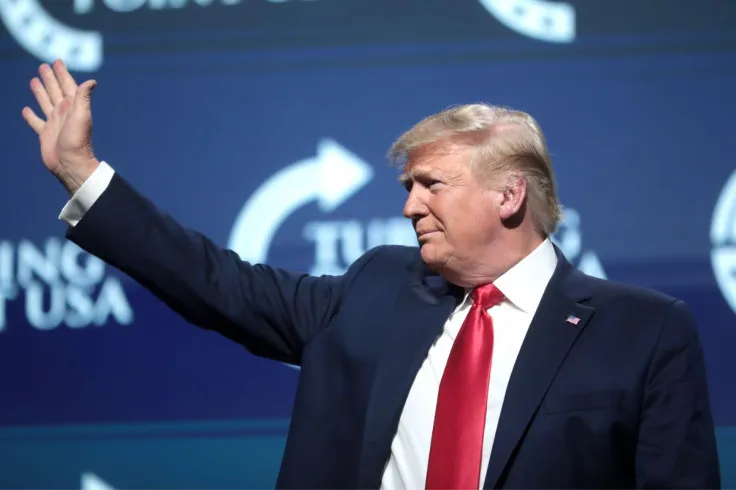
Speaking at an Oval Office event on August 31, Trump rejected the possibility of using a nuclear weapon to end the conflict, saying there was no reason to take such action. He also dismissed the question about nuclear use as unnecessary, arguing that Iran had already been defeated militarily.
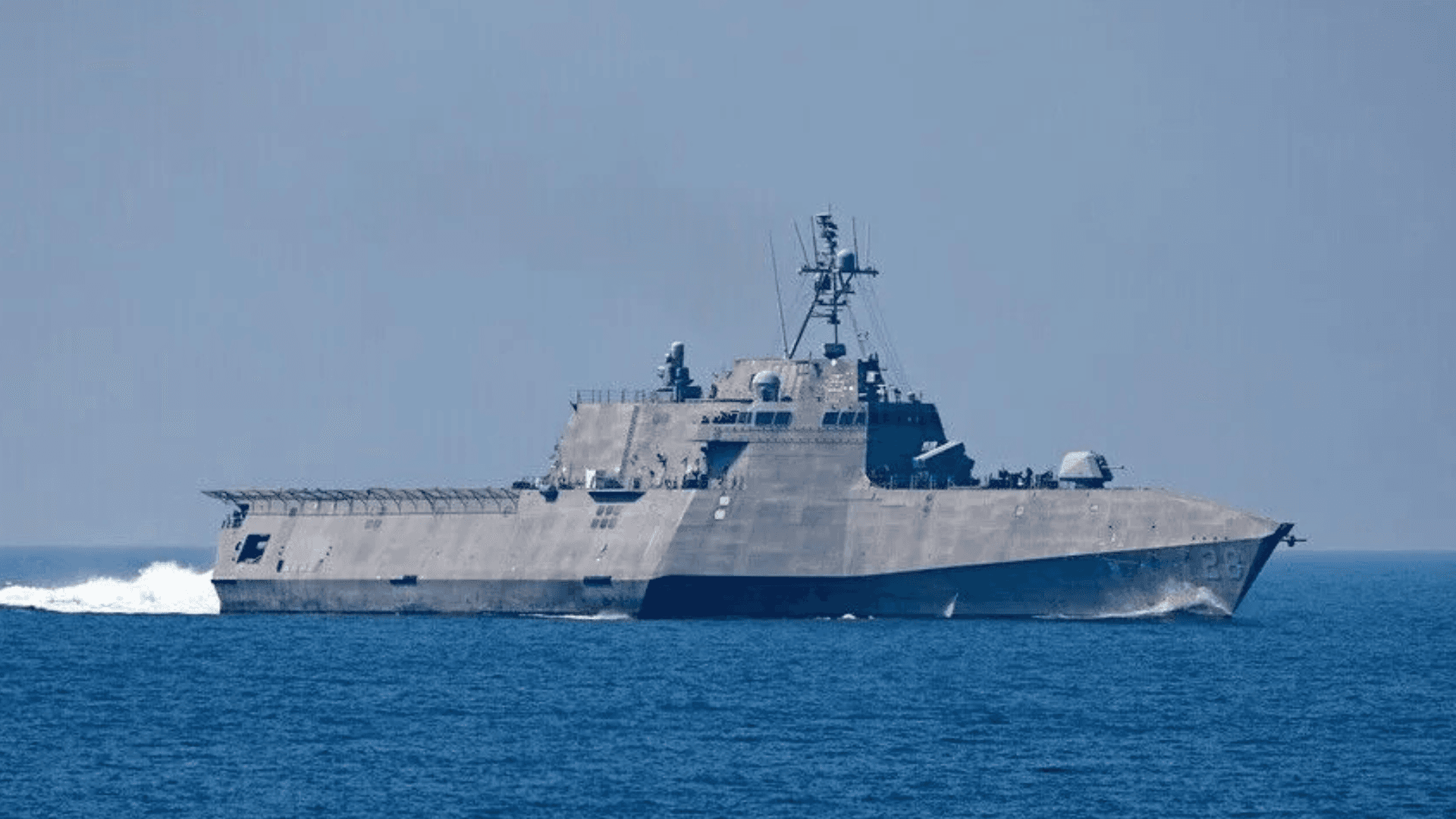
The comments came after renewed military exchanges between the US and Iran. On August 30, Iran launched missiles towards two US bases in Jordan in response to US strikes on Iranian military targets on Larak Island. The missiles were intercepted before reaching the bases, according to US officials cited in reports.
Trump nevertheless indicated that further conventional strikes remained possible. Earlier on August 31, he said the US would respond to the Iranian attacks, while later describing Iran as a failed nation and leaving open the possibility of additional military action.
The Trump administration has maintained that preventing Iran from acquiring a nuclear weapon is a central objective of its military campaign. Trump said on August 31 that Iran could not be allowed to possess a nuclear weapon, linking the US position to concerns about the potential consequences for Israel and the US.
Trump’s remarks therefore draw a distinction between the administration’s continued willingness to use conventional military force and its stated rejection of nuclear weapons against Iran. The distinction comes as the conflict enters its seventh month, with Washington also relying heavily on sanctions and economic pressure.
The immediate significance of the statement is that despite renewed military exchanges and threats of further strikes, the US president has publicly ruled out the use of nuclear weapons as a means of escalating the conflict. At the same time, continued conventional military action and economic pressure leave the broader confrontation unresolved.