
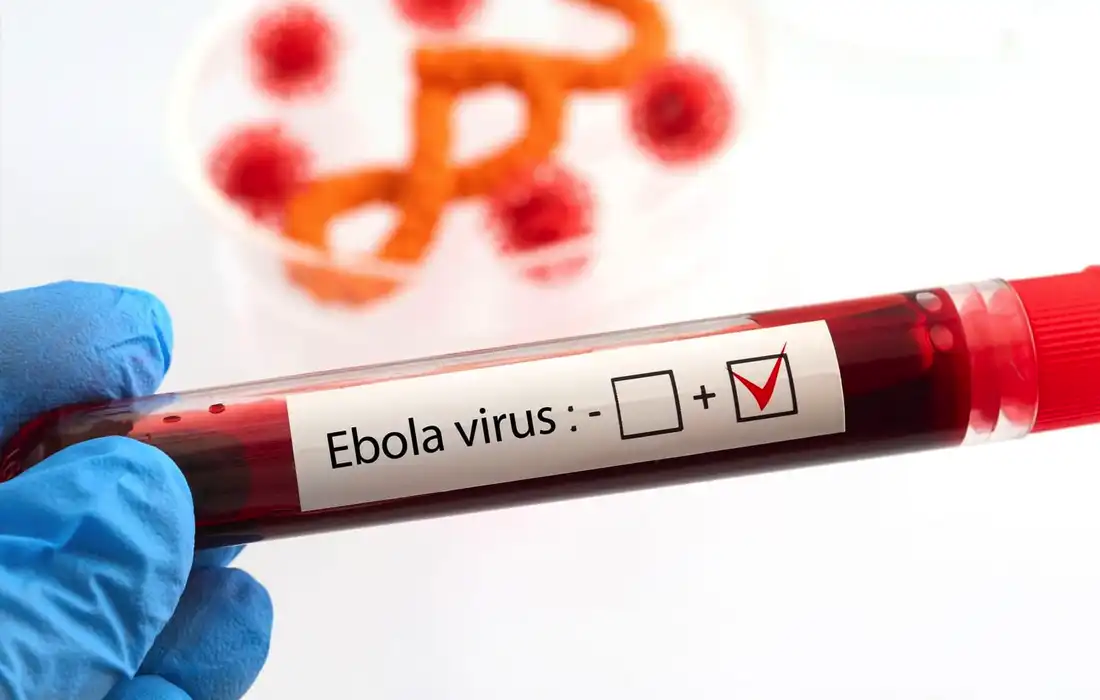
Kinshasa: The Democratic Republic of the Congo (DRC) is facing its deadliest Ebola outbreak on record, with 6,342 confirmed cases and 3,072 deaths reported by September 3, according to health authorities.
The outbreak, caused by the Bundibugyo strain of Ebola, has spread across 60 health zones in six provinces. A total of 770 patients were being treated in isolation, while 1,475 people had recovered from the disease.
The outbreak has expanded rapidly since it was first detected in Ituri province earlier this year. Ituri remains the worst affected area, with 5,164 confirmed cases and 2,342 deaths. North Kivu has recorded 913 cases and 614 deaths, while cases have also been reported in South Kivu, Haut Uele, Tshopo and Bas Uele.
The World Health Organization (WHO) has warned that the continuing spread poses a significant risk to neighbouring countries. The outbreak remains a Public Health Emergency of International Concern, with authorities maintaining border surveillance and other measures to detect possible cross border transmission.
WHO Director General Tedros Adhanom Ghebreyesus has called for a stronger international response, warning that unidentified transmission chains could allow the epidemic to continue spreading. The Congolese response plan is seeking USD 1.3 billion in international funding to expand treatment capacity and other measures.
The response is complicated by insecurity, armed violence and large scale displacement in affected areas. WHO has also warned that overcrowding, limited access to healthcare and inadequate water and sanitation services are making it harder to detect cases and contain transmission.
Medical research is also under way. More than 300 patients have been enrolled in trials of two potential treatments, while trials of the antiviral drug obeldesivir are examining whether it can prevent disease among high risk contacts. Two vaccines specifically targeting the Bundibugyo virus are also undergoing safety trials.
An existing Ebola vaccine, Ervebo, has been given to frontline health workers in some areas, but WHO says it is not yet known whether it protects against the Bundibugyo strain.
The scale of the outbreak means that containing transmission will depend on identifying cases quickly, tracing contacts, expanding treatment capacity and maintaining cooperation with communities and neighbouring countries.