

SIFC evolves investment pipeline worth $40bn
Islamabad: The Special Investment Facilitation Council (SIFC) has developed an investment pipeline worth approximately USD 40 billion across key sectors, including industry, oil and gas, railways, roads, power, telecom, IT, pharmaceuticals, tourism and agriculture, as the government moves to revive stalled and delayed projects involving the United Arab Emirates (UAE) and other GCC countries.
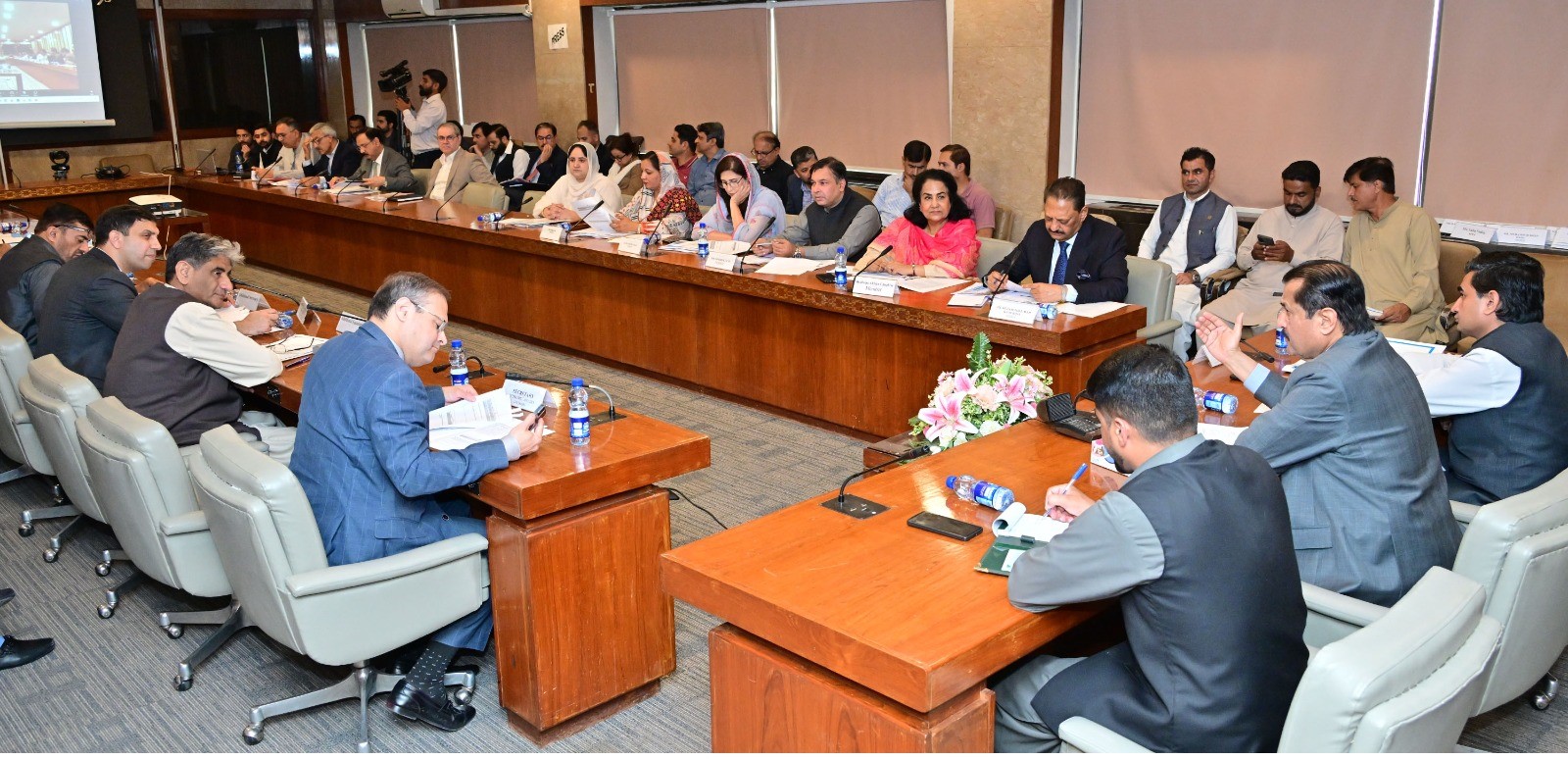
This was revealed by Jamil Qureshi, Secretary SIFC, while briefing the National Assembly Standing Committee on Economic Affairs Division here on Monday, which met under the acting chairmanship of Mirza Ikhtiar Baig.
The committee termed the exports target of USD 60 billion by 2030 unrealistic on account of high input costs, including gas and electricity prices, tight monetary policy and high taxation.
SIFC informed the Committee that the Prime Minister has directed that stalled and delayed projects involving the UAE and other countries be actively pursued and brought to a stage of implementation through enhanced coordination and facilitation. The SIFC apprised the Committee that concerted efforts are being made to develop a robust investment pipeline with a potential value of approximately USD 40 billion.
The committee was further informed that, during the initial phase, delays in responses and coordination at both the federal and provincial levels posed challenges to the development and advancement of investment proposals. However, through sustained efforts and improved institutional coordination, considerable progress has been made in developing investment opportunities and building a comprehensive pipeline across key sectors of the economy.
The SIFC informed the committee that the emerging investment pipeline encompasses a broad range of sectors, including industry and production, oil and gas, railways, roads and infrastructure, power, telecommunications and information technology, pharmaceuticals, tourism, food security and agriculture. The Committee emphasised the importance of translating the identified investment opportunities into concrete projects through timely decision-making, effective coordination among federal and provincial institutions, and resolution of regulatory, financial and administrative impediments.
The committee stressed that greater coordination among the concerned ministries, provincial governments, and relevant implementing agencies is essential for ensuring that strategically important projects are not delayed due to procedural or institutional bottlenecks. The Committee further emphasised that the concerned authorities should maintain close coordination and undertake regular monitoring of such projects to ensure timely progress and realisation of their intended economic and public service benefits.