


Islamabad: Pakistan’s nuclear electricity production rose 3.7 percent to a record 22.5 terawatt hours in 2025, while solar generation expanded faster and surpassed nuclear output for the first time, according to the World Nuclear Industry Status Report 2026.
Nuclear production increased from 21.7 terawatt hours in 2024. A terawatt hour measures electricity generated or consumed and equals one billion kilowatt hours, commonly called electricity units.
The report put solar generation at 36.3 terawatt hours and said the figure substantially underestimated actual production.
Much of Pakistan’s solar expansion has occurred through private installations that generate electricity for immediate use in homes and businesses. This electricity does not necessarily pass through the public grid, making it harder to capture in conventional supply records.
Pakistan imported more than 58 gigawatts of solar panels from China between early 2017 and mid 2026, the report said. About 40 gigawatts, or 69 percent, arrived between 2024 and mid 2026.
Gigawatts measure generating capacity, whereas terawatt hours measure actual electricity output. Imported panel capacity also does not automatically equal installed, operational capacity.
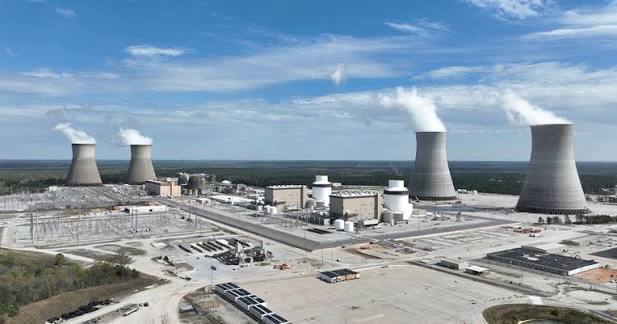
Pakistan operates six nuclear reactors with a combined capacity of 3262 megawatts, comprising four at Chashma and two near Karachi. All six were built by China National Nuclear Corporation.
Another reactor, Chashma 5, is under construction and expected to be completed by 2030, according to the report.
Citing the Pakistan Economic Survey, the report also highlighted debt repayments associated with Karachi’s K2 and K3 reactors as a significant component of nuclear generation costs.
It noted that their 12 year repayment period represents only one fifth of an estimated 60 year operating life.
The findings show nuclear generation reaching a new high alongside a rapid shift towards privately generated solar electricity amid high energy prices.