

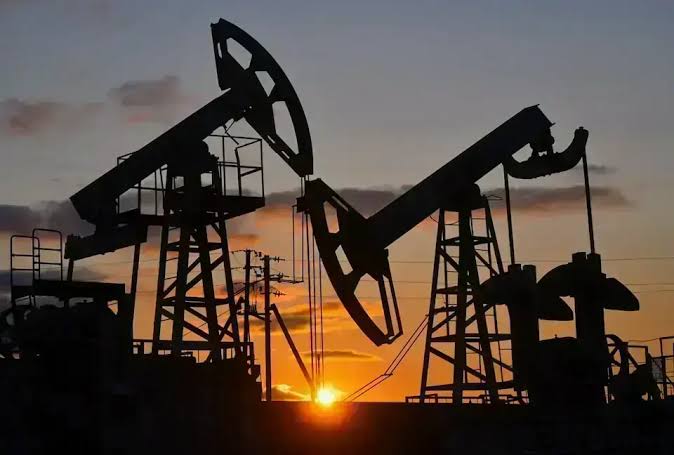
Singapore: Middle Eastern crude oil exports surpassed their prewar daily average on four days in the final week of September, despite continuing attacks on commercial vessels around the Strait of Hormuz.
Preliminary figures from shipping data company Kpler showed exports reaching between 19.5 million and 22.5 million barrels a day on September 24 and September 27 to 29. The region averaged 18 million barrels daily between March 2025 and February 2026, before the US and Israeli war against Iran began.
The seven day average reached 18.5 million barrels a day on October 1. That measure smooths out daily fluctuations and indicates the broader export trend.
The figures cover several routes and loading methods, including Hormuz, the Red Sea and transfers between ships in the Gulf of Oman. They therefore do not indicate that traffic through Hormuz alone has fully recovered.
Liquefied natural gas shipments through the strait also reached their highest monthly level since February. LNG is natural gas cooled into liquid form for transport by sea.
However, shipping intelligence company Marisks reported at least seven incidents involving tankers in and around Hormuz in its Saturday assessment.
It said the Kuwaiti tanker Kazimah III was struck by an unidentified projectile on October 1, causing a fire. All crew members were reportedly safe and evacuated. The vessel’s owner did not immediately comment.
Marisks suggested that Iranian forces might be firing missiles into a designated engagement area, sometimes called a “kill box”, where weapons could identify ships through radar signals. This remains an assessment rather than a confirmed explanation for the attacks.
Before the war, about 125 large commercial vessels crossed Hormuz daily. The route carried roughly 20 percent of global daily crude oil and LNG supply.
Kpler’s figures exclude vessels that may have crossed with their electronic identification transmitters switched off, leaving some traffic uncounted.