Islamabad: Pakistan and China on Wednesday agreed to pursue government to government (G2G) arrangements for Chinese investment in Pakistan’s fuel storage and terminal infrastructure to strengthen energy security and address supply shortages.
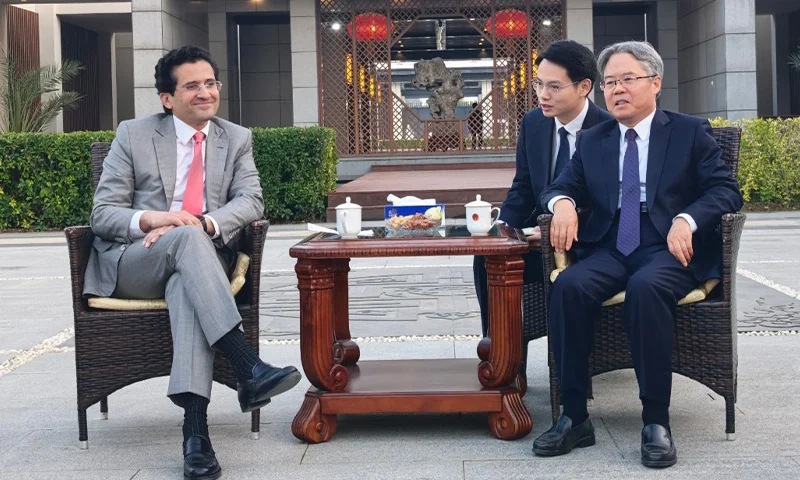
The agreement was reached during a meeting between Petroleum Minister Ali Pervaiz Malik, Chinese Ambassador Jiang Zaidong and Pakistan State Oil (PSO) Chief Executive Officer Jawwad Ahmed Cheema, according to a Petroleum Division statement.
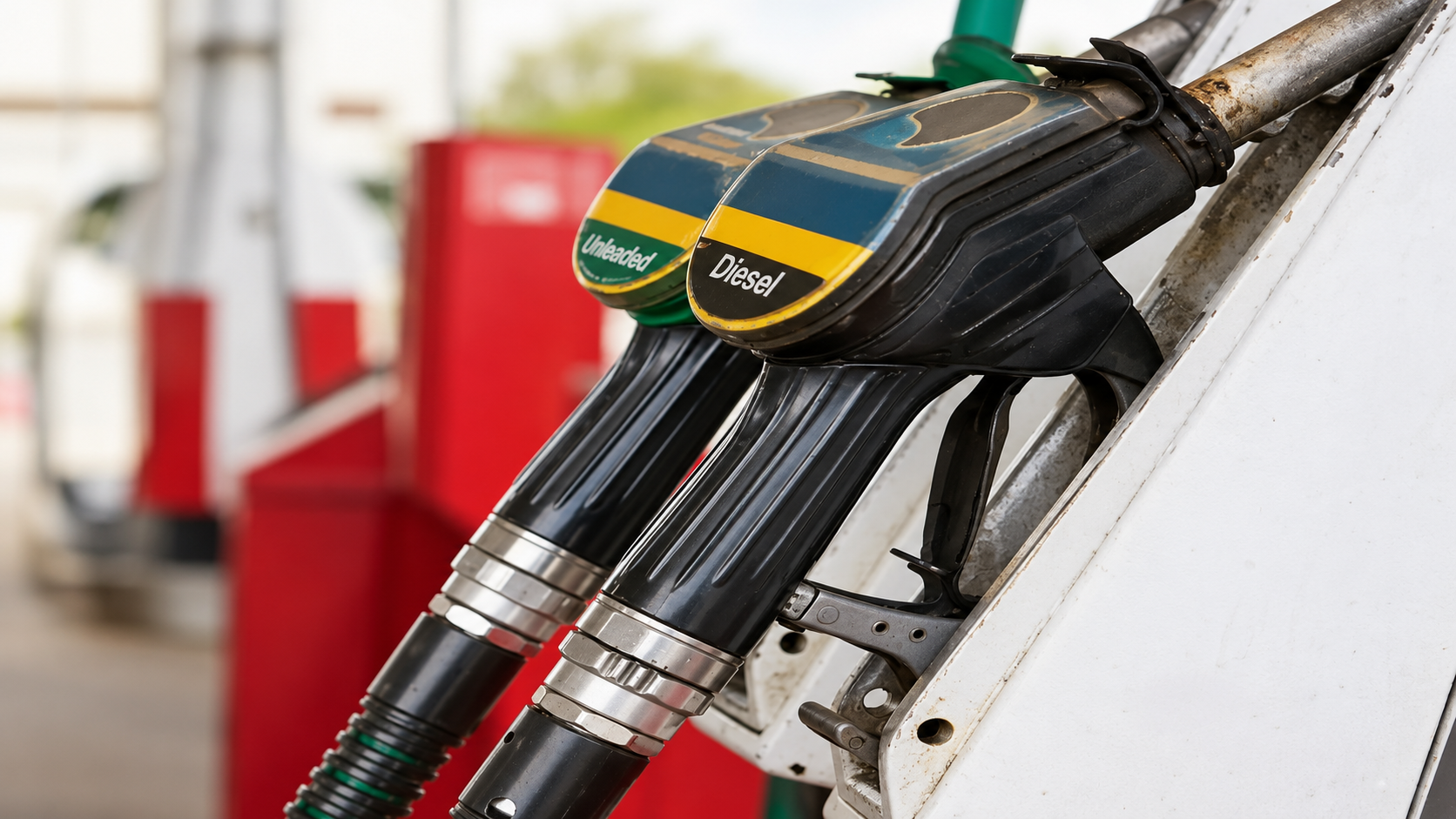
Both sides identified two projects for implementation under the proposed G2G framework, including the establishment of a liquefied petroleum gas (LPG) plant with storage and terminal facilities and arrangements for the import of motor gasoline (MoGas).
The proposed LPG project aims to expand domestic supply, improve fuel accessibility and address shortages during periods of peak demand. The petrol import arrangement will cover sourcing, storage and logistics to maintain supply and improve price competitiveness.
Pakistan and China also agreed to establish a joint commercial team comprising representatives from both countries to evaluate investment opportunities, engage companies and assess financing and partnership models.
The team will develop a roadmap for projects covering oil and gas exploration, offshore development, fuel distribution, minerals and mining.
During the meeting, Malik invited Chinese companies to explore investment opportunities in Balochistan’s mineral resources and Pakistan’s offshore oil and gas sector, including the development of offshore energy hubs.
The discussions also covered partnerships between Chinese energy companies and PSO to expand operations in Pakistan’s downstream petroleum sector, which includes fuel storage, transportation, distribution and marketing.
The proposed investments come as Pakistan seeks to strengthen its petroleum supply infrastructure and attract foreign capital into energy and mineral development. Pakistan’s reliance on imported petroleum products exposes the country to fluctuations in international prices and supply disruptions.
Expanding storage capacity could help manage seasonal demand and reduce supply constraints, while government to government procurement arrangements could provide additional channels for fuel imports.
The engagement follows the 33rd Asia Pacific Economic Cooperation (APEC) Economic Leaders’ Meeting, hosted by China in Shenzhen on November 18 and 19, where economic cooperation, investment and technological innovation featured among the priorities.
The Petroleum Division did not disclose the estimated investment value, proposed locations, storage capacities or implementation timelines for either project.
The commercial team’s assessments will inform subsequent negotiations between the two governments and determine the investment and operational frameworks for the proposed facilities.