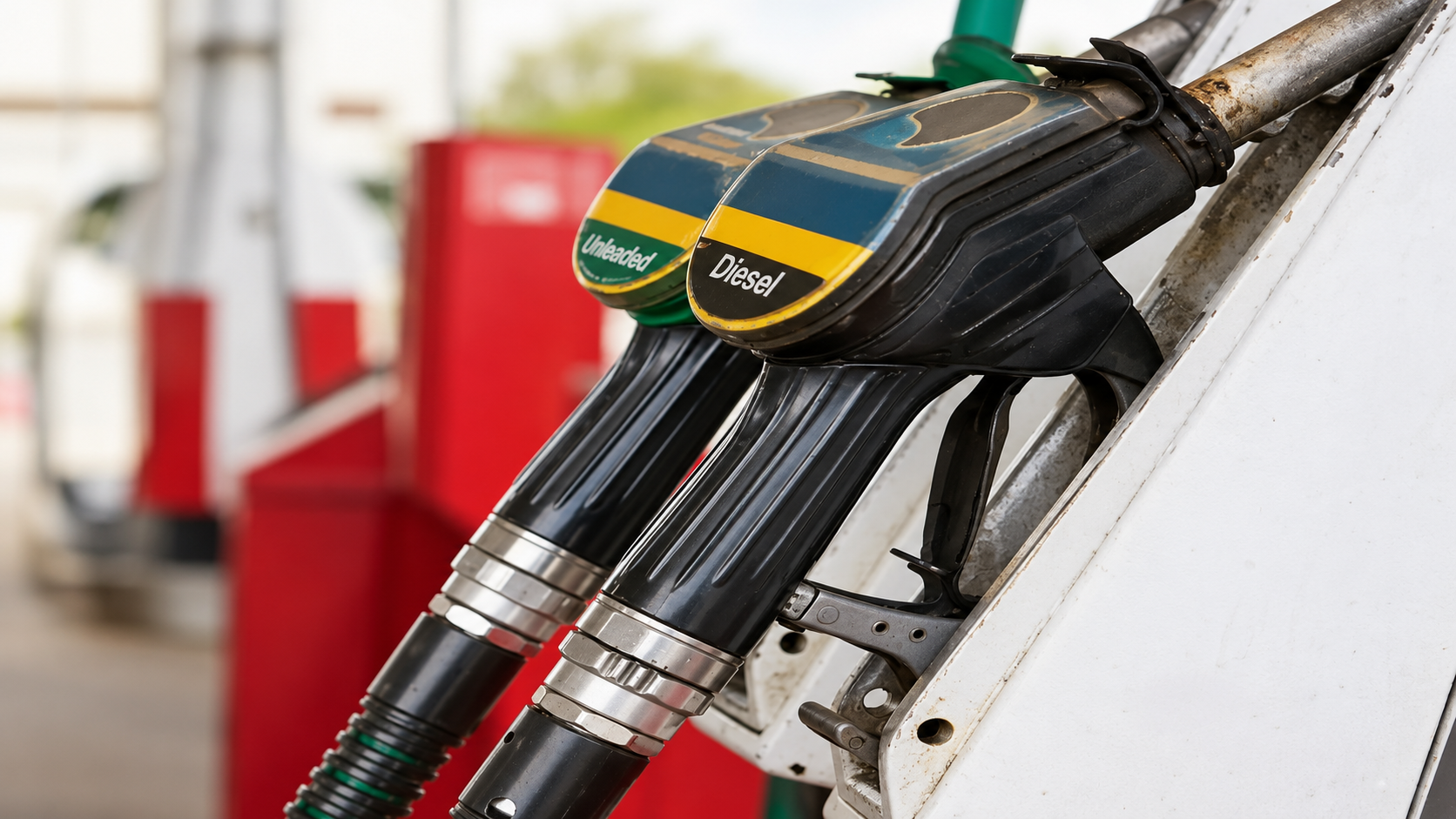
Islamabad: The federal government has reduced the price of petrol by Rs 4 per litre and high-speed diesel (HSD) by Rs 5 per litre, providing relief to motorists and transport operators as Pakistan continues to adjust petroleum rates in response to changes in international oil markets.
According to a notification issued by the Oil and Gas Regulatory Authority (Ogra) on Wednesday, November 25, petrol will cost Rs 314 per litre, down from Rs 318, while diesel will be sold at Rs 348 per litre, compared with its previous price of Rs 353.
The revised rates take effect on Thursday, November 26, under the government's daily fuel pricing mechanism. The reduction brings both fuels below their July 18 levels, when petrol was priced at Rs 316.15 and diesel at Rs 354.35 per litre.
Diesel has also fallen below Rs 350 per litre for the first time in about four months, reflecting a decline from the rates recorded during the escalation of the Middle East conflict. Despite the reductions, the government continues to collect approximately Rs 114 per litre in taxes and duties on petrol and Rs 100 per litre on diesel.
Fuel prices retreat from April peaks
Pakistan experienced an increase in petroleum prices earlier this year following the outbreak of the US Iran conflict on February 28, which disrupted energy markets and raised concerns about oil supplies.
Petrol, which cost around Rs 266 per litre in early March, reached Rs 458.41 on April 3. Diesel climbed from approximately Rs 281 to Rs 520.35 per litre during the same period.
The subsequent decline has reduced fuel costs, although prices remain above the levels recorded before the conflict intensified. The government has also changed the frequency of petroleum price revisions to respond to market movements.
After introducing weekly adjustments in March, authorities shifted towards near daily pricing in July as tensions in the Persian Gulf contributed to changes in international crude oil prices and shipping costs. Ogra now calculates revised rates under the pricing mechanism approved by the federal government.
The government has also introduced measures intended to limit the impact of oil prices on consumers. Under an arrangement announced on November 2, domestic oil refineries are required to contribute a cumulative Rs 15 billion over 30 days towards the petroleum levy mechanism.
The measure is designed to allow a reduction of Rs 14.71 per litre in the consumer price of petrol over the arrangement's implementation period. The adjustment operates alongside the government's pricing formula, which takes account of international fuel costs and other components of the retail price.
In September, the government introduced the Prime Minister's Fuel Relief Scheme, targeting owners of motorcycles, rickshaws and vehicles with engines of up to 800cc. The programme was intended to reduce the financial burden on households dependent on fuel for commuting and employment.
What the reduction means for consumers
Petrol is primarily used by motorcyclists, rickshaw drivers and private motorists, making changes in its price relevant to household transport expenditure. For a motorist purchasing 20 litres, the latest reduction translates into a saving of Rs 80 compared with the previous rate.
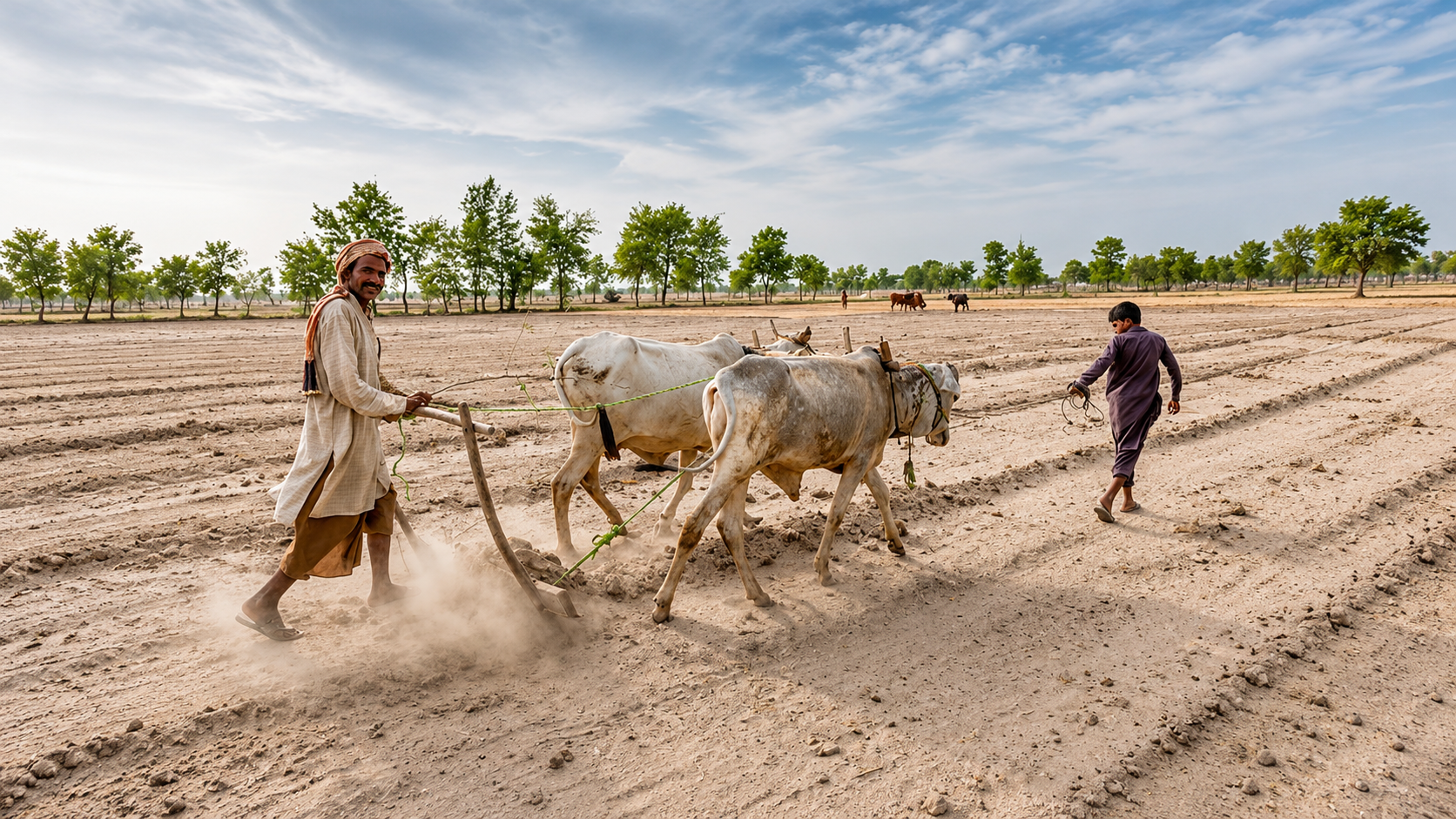
Diesel, meanwhile, is used in buses, trucks, agricultural machinery, generators and industrial operations. Its price influences freight charges, agricultural production expenses and the cost of moving goods between cities.
Although the reduction may lower operating costs for transporters and businesses, its effect on passenger fares and retail prices will depend on whether operators pass on the savings.
The government has also introduced fuel conservation measures, including requiring markets to close by 9 pm and reducing fuel allocations for government vehicles by 50 per cent for three months.
The measures are aimed at managing domestic consumption amid uncertainty over energy supplies linked to the Middle East conflict. With petroleum prices now subject to frequent revisions, further changes will depend on international market conditions, import costs and the government's decisions on taxes and pricing adjustments.
The latest reduction offers some relief to consumers, but the continued tax burden and exposure to international oil markets mean domestic fuel prices remain vulnerable to further fluctuations.