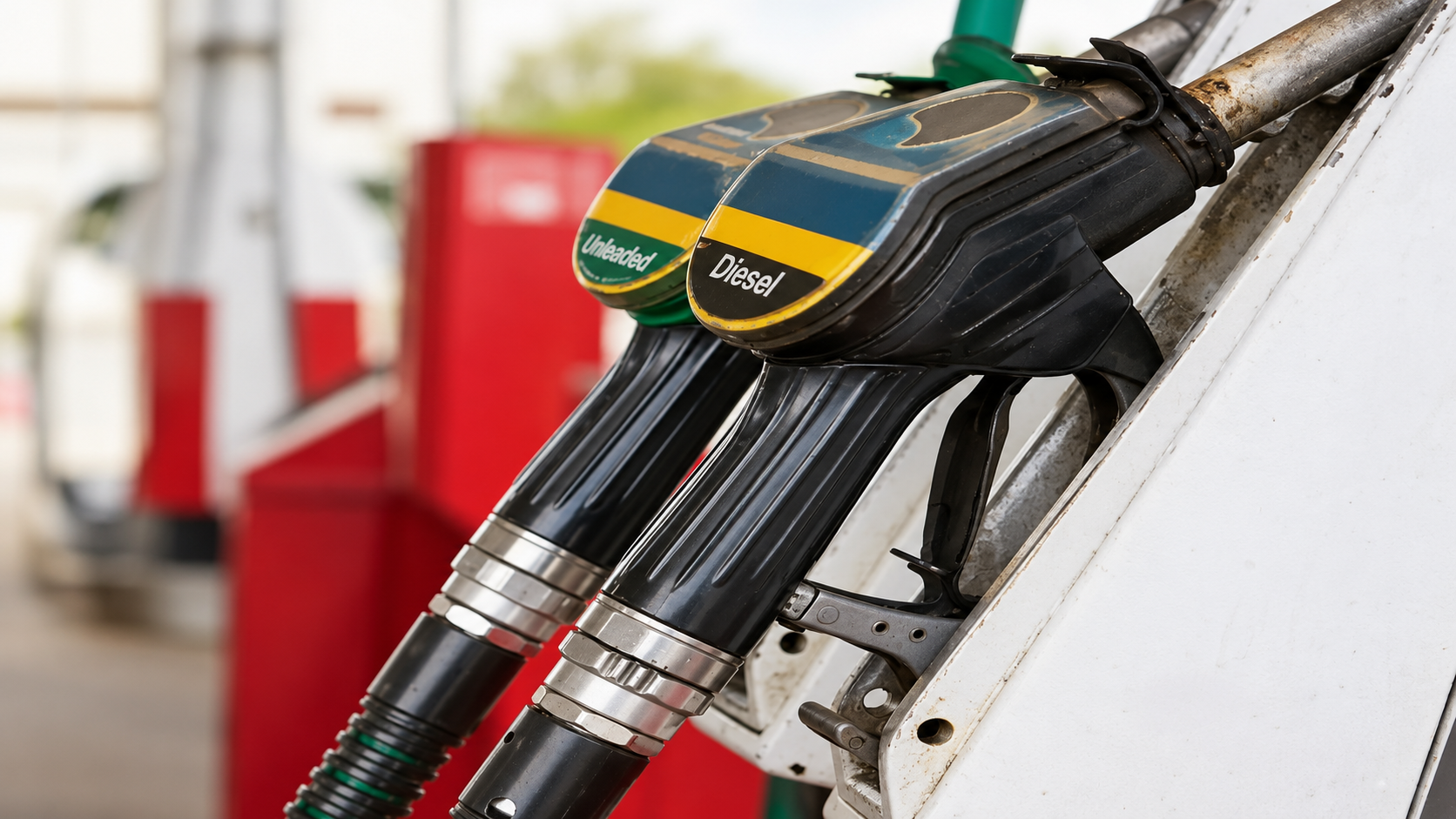
Islamabad: Pakistan and Oman have signed a petroleum supply agreement under which Oman's OQ Trading will provide a USD 200 million credit facility to Pakistan State Oil (PSO), allowing the state owned company to finance fuel purchases amid disruptions to energy shipments in the Middle East.
The agreement was signed in Muscat on Sunday, November 22, during a visit by Federal Minister for Petroleum Ali Pervaiz Malik, who met Oman's Minister of Energy and Minerals, Salim Al Aufi, to discuss cooperation in oil, gas and minerals.
According to Pakistan's Petroleum Division, the two ministers witnessed the signing of a sale and purchase agreement between PSO and OQ Trading, establishing a framework for the supply of petroleum products to Pakistan.
Under the arrangement, OQ Trading will extend a credit limit of USD 200 million to PSO to facilitate petroleum purchases. The facility will allow PSO to obtain fuel through a supplier-backed financing arrangement rather than relying entirely on immediate payment for each purchase.
However, the government has not publicly disclosed the repayment schedule, interest charges or other financial conditions attached to the facility. The agreement comes as Pakistan faces uncertainty over petroleum supplies because of the conflict between the United States and Iran, which has disrupted shipping through the Strait of Hormuz.
The waterway connects the Persian Gulf to the Gulf of Oman and is used to transport oil and other energy products from Gulf producers to international markets. Pakistan depends on imported petroleum products and crude oil to meet a substantial proportion of its energy requirements, leaving domestic supplies exposed to changes in international prices, freight charges and shipping availability.
The disruption has increased the importance of securing supplies through different trading partners and delivery arrangements. The agreement builds on an existing commercial relationship between PSO and OQ Trading.
According to the Petroleum Division, the Omani company supplied more than one million metric tonnes of petrol to PSO during 2026.
OQ Trading has also supplied liquefied petroleum gas (LPG) to buyers in Pakistan, including public and private companies. Its LPG shipments to the country are expected to exceed 120,000 metric tonnes by the end of the year.
These figures indicate that the agreement formalises and expands an established supply relationship rather than introducing a new supplier to Pakistan's fuel market. The two governments also agreed to use the Pakistan-Oman Joint Working Group on Oil and Gas to identify opportunities for cooperation.
The ministers discussed potential partnerships and investment in petroleum, natural gas and mineral resources, although no specific investment projects or financial commitments were announced.
The working group is expected to provide a forum for discussions between officials from both countries and help coordinate proposals involving energy trade and development. The Petroleum Division said the agreement would support Pakistan's efforts to diversify petroleum imports and improve the reliability of fuel supplies.
For PSO, the credit facility could provide additional flexibility in managing purchases during a period of uncertainty in the regional energy market. However, the availability of financing does not eliminate the risks associated with shipping disruptions, international fuel prices or delays in deliveries.
The impact of the agreement will depend on the volume and timing of supplies, the financial terms of the credit facility and the ability of both companies to maintain deliveries. The government has not indicated whether the arrangement will have any direct effect on domestic petrol prices, which are also influenced by international market rates, exchange movements, taxes and other costs.
The agreement therefore addresses fuel procurement and financing rather than providing an immediate basis for a reduction in prices paid by consumers.
Pakistan and Oman have expressed their intention to explore further energy partnerships, but details of additional projects will depend on subsequent negotiations between the governments and the companies involved.