Karachi: Pakistan's latest wheat imports reduced grain prices in the wholesale market, but consumers are yet to benefit from cheaper flour and bread, while rising fertiliser costs threaten to put further pressure on domestic wheat production.
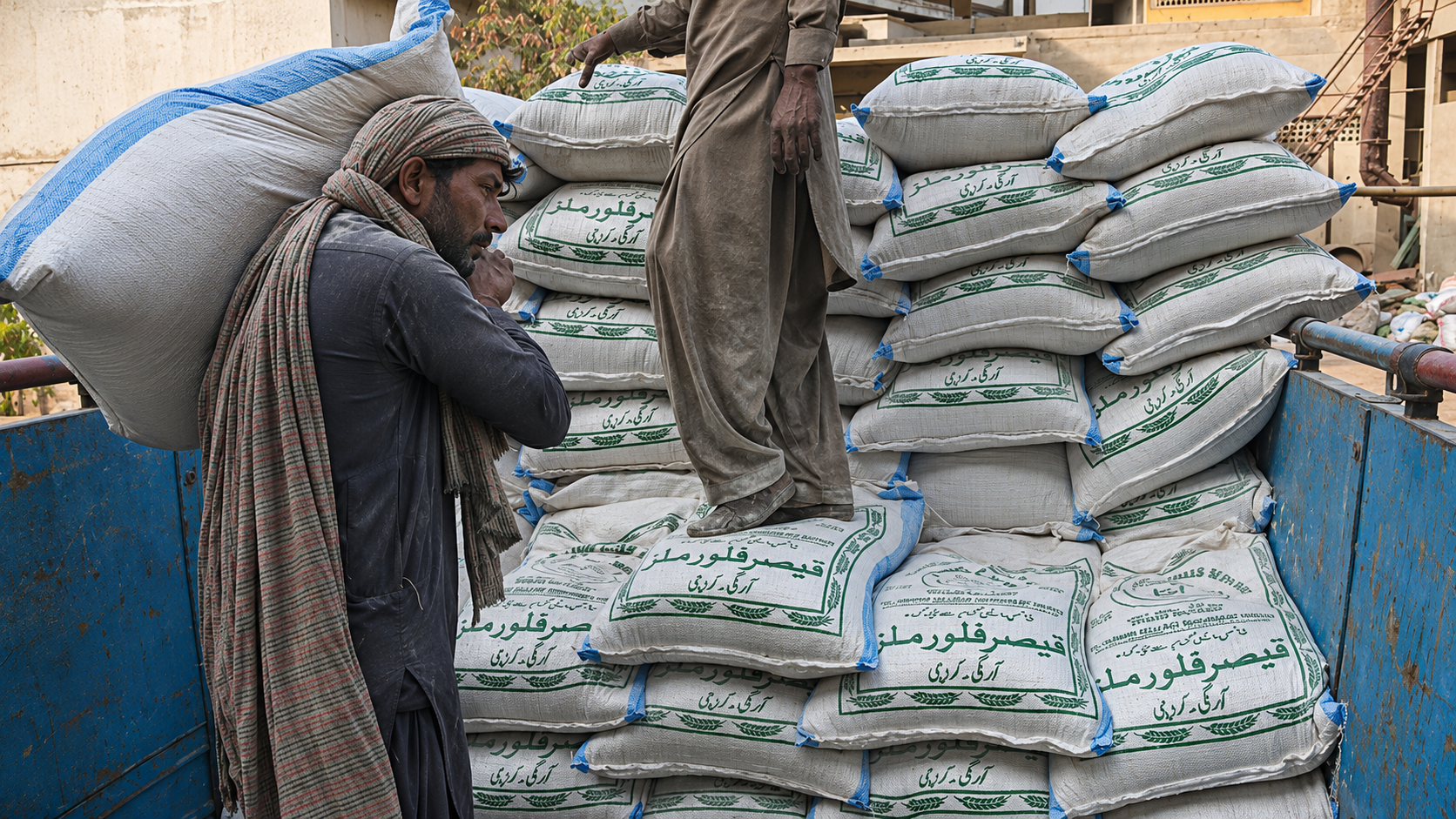
According to market figures reported on Tuesday, wheat prices fell from Rs 140 to Rs 130 per kilogram after a vessel carrying 51000 tonnes of imported wheat arrived at Karachi Port on 28 October.
A second shipment of 58132 tonnes was expected to arrive in Karachi on 3 November, bringing the combined volume of the two consignments to more than 109000 tonnes.
Despite the initial reduction, wheat prices fluctuated, with wholesalers quoting an average of Rs 132 per kilogram and flour millers reporting prices between Rs 136 and Rs 137.
Millers reduced their selling prices by Rs 5 per kilogram compared with early October. Flour No. 2.5 now costs Rs 156 per kilogram at the mill, while maida and fine flour are priced at Rs 168 and Rs 171, respectively.
However, the reductions did not reach retail consumers. Flour No. 2.5 continues to sell for Rs 170 to Rs 180 per kilogram, while maida and fine flour cost Rs 185 to Rs 190.
Roti prices unchanged despite cheaper wheat
Bread prices also remained unchanged. Chapati costs Rs 20, naan Rs 30 to Rs 35, sheermal and taftaan Rs 100 to Rs 110, and qulcha Rs 90 to Rs 100.
Price disparities are especially evident across major cities.
According to the Sensitive Price Index for the week ending 29 October, a 20kg bag of flour costs up to Rs 3540 in Karachi, compared with an average of Rs 3200 elsewhere in the country.
In Hyderabad, the same quantity costs between Rs 3360 and Rs 3400, whereas prices in Islamabad, Rawalpindi, Lahore and other major Punjab cities range from Rs 2200 to Rs 3333.
Fertiliser costs threaten next wheat harvest
Consumers face immediate pressure as farmers contend with rising production costs ahead of the winter wheat season.
A 50kg bag now costs Rs 17183, up from Rs 14009 before the conflict, while farmers report retail prices nearing Rs 18000.
Some growers in Sindh switched to cheaper nitro phosphate fertiliser, costing approximately Rs 10500 per bag, because they can no longer afford Diammonium Phosphate (DAP).
The country's wheat production was estimated at 27.5 million tonnes for the 2025 to 2026 season, below the official target of 29.7 million tonnes.
Sindh introduced a subsidy of Rs 4000 per acre for farmers cultivating between one and 25 acres, with approximately 300000 farmers registered.
The combination of persistently high retail flour prices and rising agricultural input costs challenges food affordability. Lower wholesale wheat prices did not translate into consumer relief, while reduced fertiliser use could affect supplies from the next harvest.