Islamabad: Qatar's agricultural and dairy company Baladna is exploring investment opportunities in Pakistan's farming and livestock sectors, with plans to source animal feed and fodder crops to support its international operations.
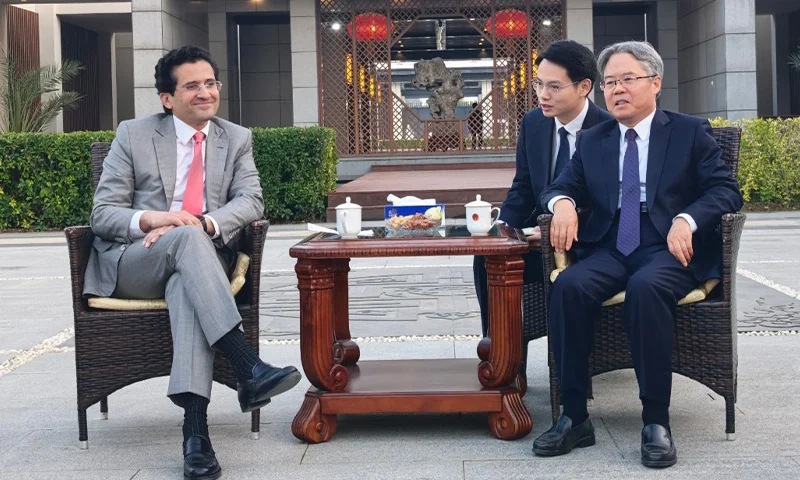
A delegation led by Aidan Tynan, a member of Baladna's independent board, is visiting Pakistan to assess agricultural production capacity, investment conditions and potential partnerships with farming businesses.
The company has expressed interest in purchasing maize, soybeans, alfalfa, Rhodes grass and other fodder crops as part of efforts to diversify its feed supply chains.
The proposed arrangement could provide Pakistani growers with access to the Qatari market while allowing Baladna to establish sources of feed for its dairy operations.
During the visit, the delegation met Federal Minister for National Food Security and Research Rana Tanveer Hussain in Islamabad on Wednesday, November 25, to discuss agricultural trade, investment incentives and joint ventures.
The talks covered livestock development, dairy production, animal feed manufacturing and the processing of agricultural products.
According to the Ministry of National Food Security and Research, both sides discussed opportunities to develop commercial partnerships that could increase agricultural exports and attract investment into Pakistan's food production sector.
Baladna seeks partnerships with Pakistani farmers
The delegation has also held discussions with companies and investors managing agricultural land suitable for commercial farming, fodder cultivation and livestock projects.
Baladna is examining opportunities for what the industry describes as backward integration, a strategy through which a company secures supplies of materials used in its operations.
For the Qatari producer, this would involve establishing relationships with growers and agricultural businesses capable of supplying feed crops over an extended period.
Animal feed is a component of dairy production costs, and securing supplies from different countries can help producers manage procurement risks and dependence on individual markets.
Baladna has already pursued agricultural investments outside Qatar as part of its feed sourcing strategy, including a farming project in Algeria.
According to the company's 2025 annual report, the Algerian project had entered the cultivation stage, with its first harvest expected in 2026. Pakistan's inclusion in the company's investment assessment reflects its potential role in supplying crops for dairy and livestock operations beyond its domestic market.
However, the commercial viability of such exports would depend on production costs, crop quality, transport arrangements and the ability to meet the buyer's supply requirements.
Pakistan proposes investment in dairy and meat processing
During the meeting, Rana Tanveer Hussain proposed extending cooperation beyond the export of animal feed. He encouraged Baladna to consider joint ventures in dairy farming, livestock breeding, slaughterhouses, meat processing and milk production.
The minister also identified opportunities in packaging, cheese manufacturing, milk powder and other processed dairy products. Such investments could enable Pakistani agricultural businesses to participate in food processing rather than relying solely on the sale of crops and livestock.
The proposals form part of efforts to develop Pakistan's agricultural export sector and attract investment into industries linked to food production.
What could the investment mean for Pakistan?
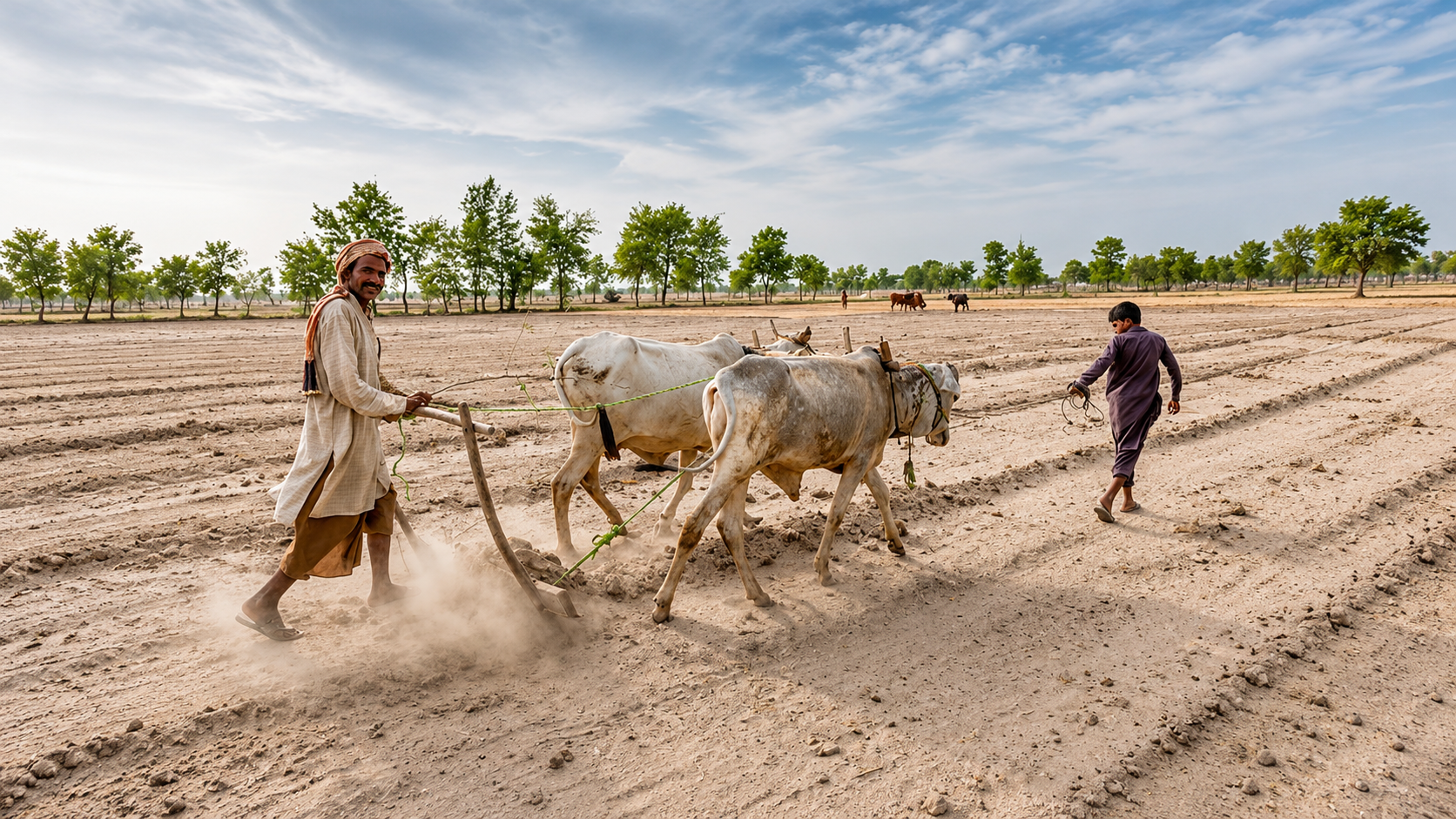
Pakistan has an agricultural economy in which livestock and dairy production contribute to rural employment and household income. However, the sector faces challenges involving productivity, animal feed costs, storage, processing facilities and access to export markets.
Investment in feed cultivation and dairy infrastructure could create opportunities for farmers, livestock producers and food processing companies.
For Pakistan, contracts with international buyers could also help agricultural exporters develop supply chains that meet overseas market requirements. The proposed cooperation follows earlier efforts to promote Pakistani fodder exports to Gulf markets.
In 2025, Pakistani trade representatives held discussions with Qatari companies, including Baladna, to explore demand for Rhodes grass, alfalfa and other feed products.
The latest visit indicates continued interest in developing those commercial relationships, but discussions have not yet resulted in a confirmed investment.
Neither Baladna nor the Pakistani government has announced the value of a proposed project, the volume of feed imports under consideration or a timetable for finalising agreements.
The outcome will depend on negotiations with agricultural businesses, the investment framework and the availability of land and production facilities capable of meeting the company's requirements.
For now, the talks represent an opportunity to expand Pakistan Qatar agricultural cooperation, with potential benefits for farmers and exporters if commercial agreements are concluded.