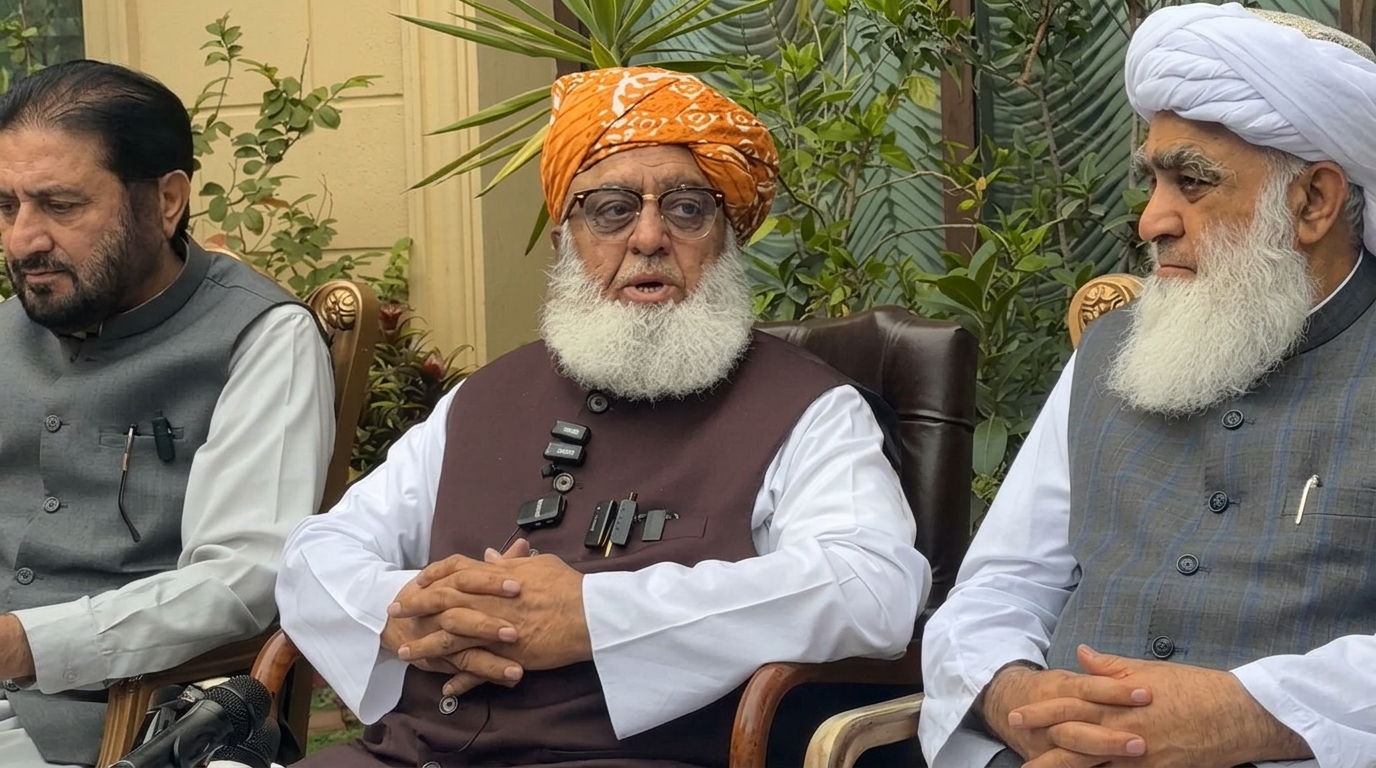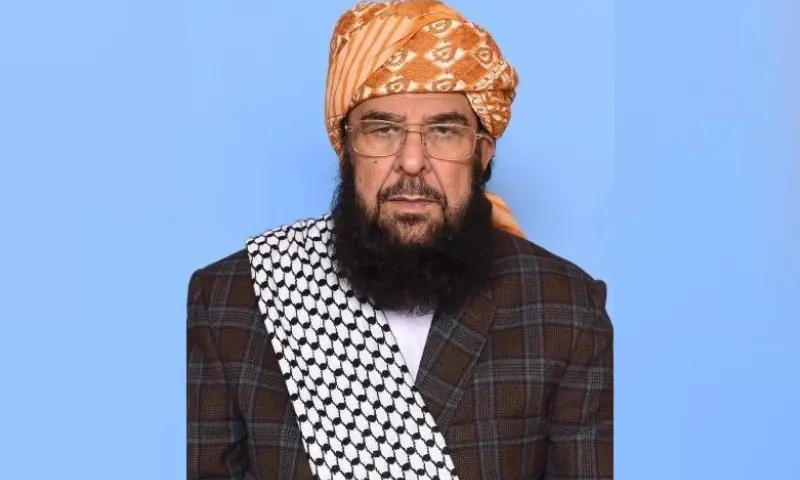
Sargodha: Several Jamiat Ulema e Islam Fazl (JUI F) leaders, including National Assembly member Maulana Abdul Ghafoor Haideri, were detained in Punjab's Sargodha division late on Wednesday, November 25, ahead of a party gathering, prompting allegations that the government was using public order restrictions to prevent opposition activity.
Sargodha Regional Police Officer (RPO) Sohail Sukhera confirmed that Haideri, Malik Awais and Maulana Amjad Khan had been confined to a house in Sargodha and issued notices for violating Section 144, which restricts gatherings and processions.
The police official maintained that the leaders had not been formally arrested but that their movements had been restricted within the division. He also confirmed that other party members had been taken into custody.
The distinction between arrest and restrictions on movement has become a point of dispute, with the JUI F accusing the authorities of detaining its leaders without warrants.
Party spokesperson Aslam Ghouri demanded their release and warned that the Punjab government would be held responsible for the consequences if the restrictions continued.
In a statement issued through the party's social media account, Ghouri questioned why opposition gatherings were being restricted while Punjab Chief Minister Maryam Nawaz continued to hold political events.
He also questioned whether permission had been obtained from the National Assembly speaker before action was taken against Haideri, who is a member of the lower house of parliament.
The JUI F further alleged that police were conducting raids on the homes of party office bearers.
Police also detained several JUI F members in Khushab district under the Maintenance of Public Order (MPO) Ordinance following allegations that they had organised a gathering in violation of Section 144. According to a first information report (FIR), police encountered a group of party workers outside Madrasa Taleem ul Islam near Purana Chowk while patrolling the area.
The complaint alleged that Maulana Abdullah Ahmed and other individuals had assembled people for a rally, delivered speeches and obstructed public movement. Police said the gathering violated restrictions imposed by the Khushab deputy commissioner on November 23, prohibiting rallies, demonstrations and processions.
The FIR named Qazi Umair Ahmed, Muhammad Abdur Rehman Saud, Muhammad Dilawar Khan, Muhammad Ammar, Hasnain Muawiya, Muhammad Ismail Khan, Muhammad Umar, Ibrahim Khan, Muhammad Qasim Afzal and Muhammad Awais Ahmed, alongside Abdullah Ahmed. It also referred to between nine and 10 unidentified individuals who allegedly fled the scene.
The case was registered under provisions of the Pakistan Penal Code dealing with disobedience of public orders, obstruction, public nuisance, rioting and unlawful assembly, alongside Section 16 of the MPO Ordinance.
The allegations remain subject to investigation, and the registration of an FIR does not establish criminal liability.
The police action comes amid tensions between JUI F chief Maulana Fazlur Rehman and the federal government, which intensified after the imposition of emergency measures and governor's rule in Khyber Pakhtunkhwa on October 11.
Fazlur Rehman criticised the decision, accusing the government of undermining provincial rights and failing to honour commitments made during his efforts to facilitate dialogue between the PML N and PTI.
The dispute escalated on Tuesday when police surrounded his temporary residence in Lahore, preventing him from attending an all-parties conference organised by the Lahore High Court Bar Association.
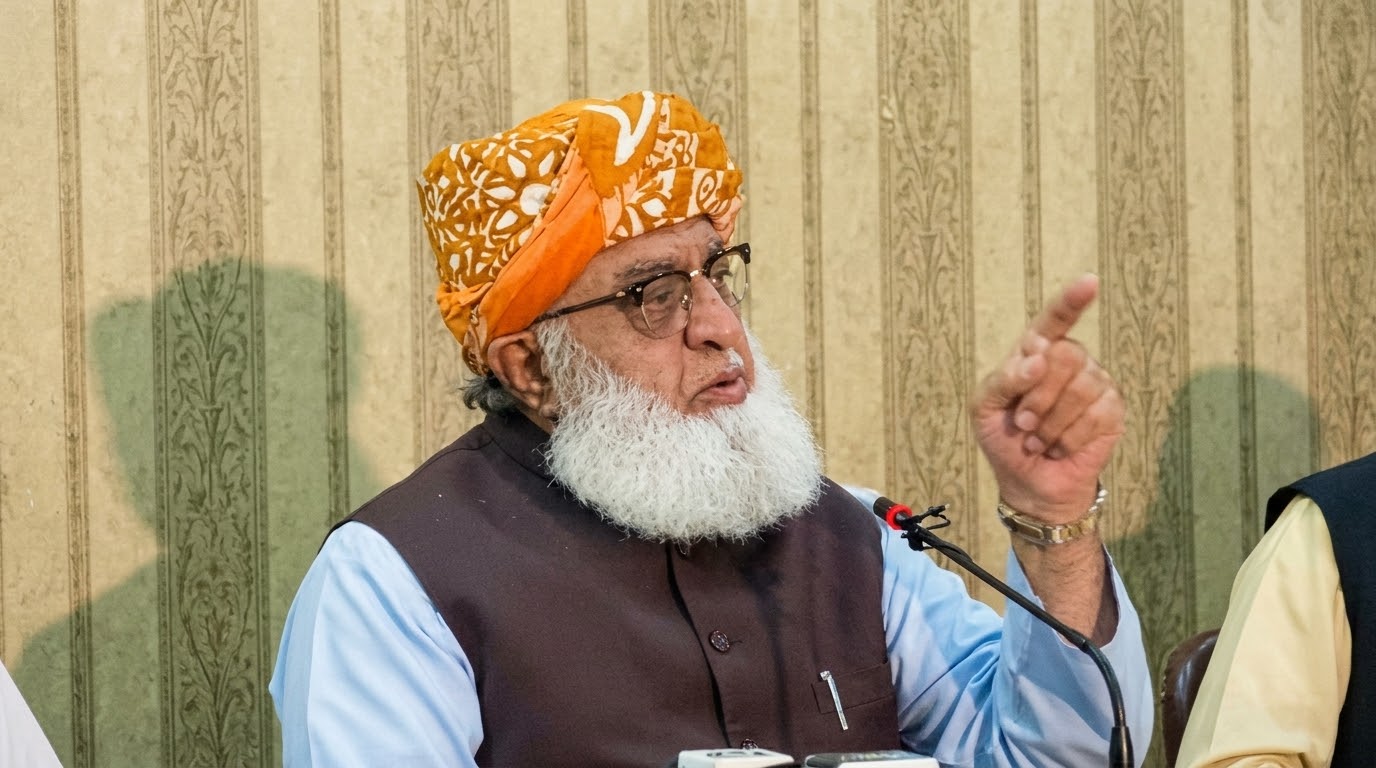
Fazlur Rehman described the restrictions as a "state siege" and maintained that his party would proceed with its November 26 gathering in Sargodha despite the police action.
The Lahore High Court subsequently sought an explanation from police over his alleged confinement. Lahore Police denied that he had been arrested or placed under house arrest. The developments have also drawn attention from the Pakistan Peoples Party (PPP), a coalition partner of the ruling PML N.
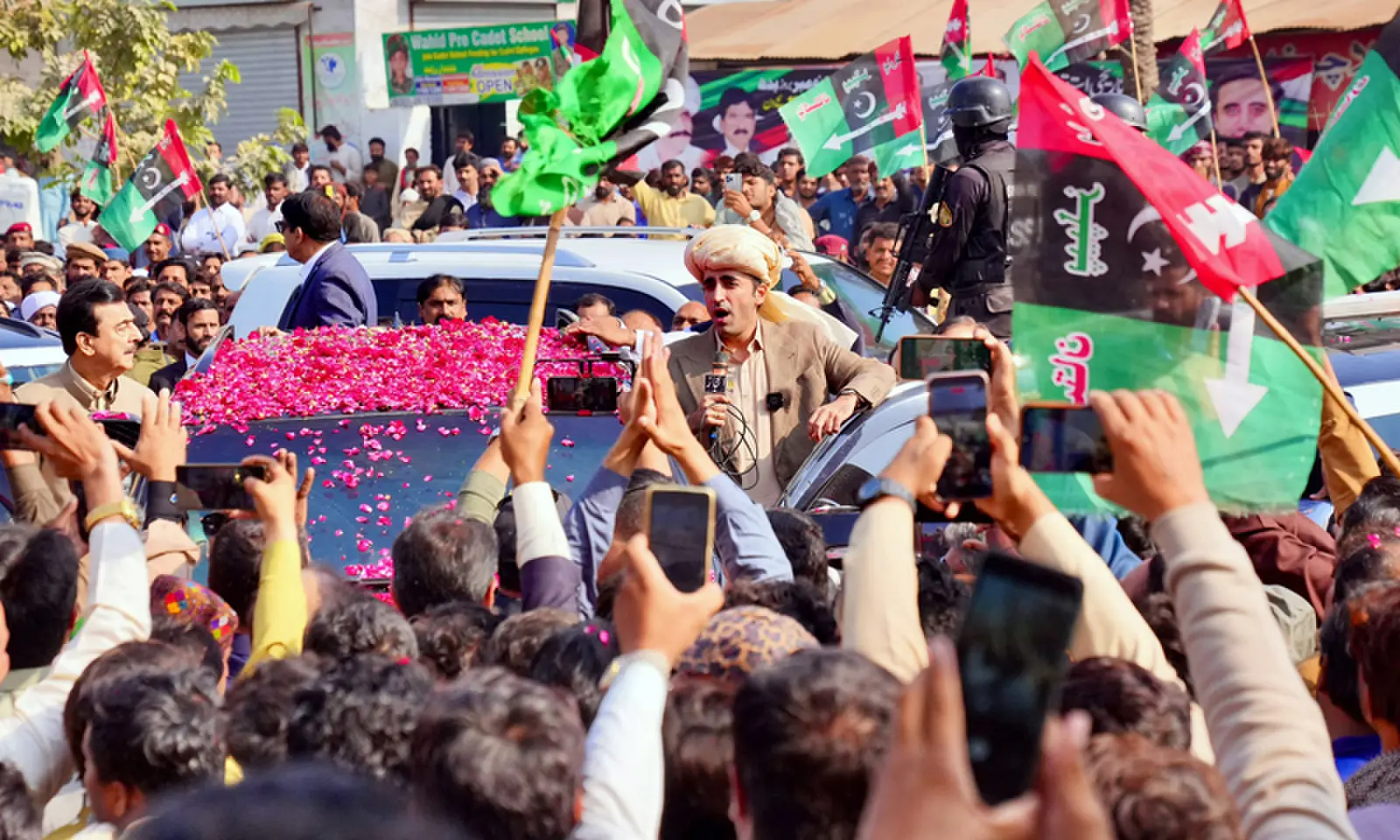
PPP Chairman Bilawal Bhutto Zardari has expressed support for Fazlur Rehman and criticised the restrictions imposed on his political activities. Relations between JUI F and the government have deteriorated further over the withdrawal of security personnel from the residences of Fazlur Rehman and his family in Islamabad and Dera Ismail Khan.
JUI F representatives described the withdrawal as part of a campaign against their leadership, while an Islamabad police official disputed the party's account of the number of guards removed.
The party has also raised concerns about investigations involving Fazlur Rehman's son, former federal communications minister Asad Mahmood, who has been summoned by the National Accountability Bureau over alleged irregularities in appointments at Pakistan Post.
The detentions have brought renewed attention to the use of Section 144 and preventive detention powers during political gatherings.
Section 144 of the Code of Criminal Procedure permits authorities to impose restrictions to prevent threats to public safety and order. However, such measures remain subject to legal scrutiny. Pakistan's Constitution protects freedom of assembly and political association under Articles 16 and 17, subject to restrictions prescribed by law.
The dispute centres on whether the restrictions imposed in Sargodha and Khushab were necessary for maintaining public order or whether they were being used to prevent JUI-F from conducting political activities.
Police maintain that the action followed violations of restrictions on gatherings, while the party alleges that its leaders were targeted for attempting to organise a public meeting. On Thursday, JUI F representatives said they intended to approach the courts over the detention and whereabouts of party leaders, including Haideri.
The party's planned Sargodha gathering will test whether the authorities permit it to proceed under the restrictions currently in force. The legal status of the detained leaders and any further court proceedings will also determine how the confrontation between JUI F and the Punjab administration develops.