
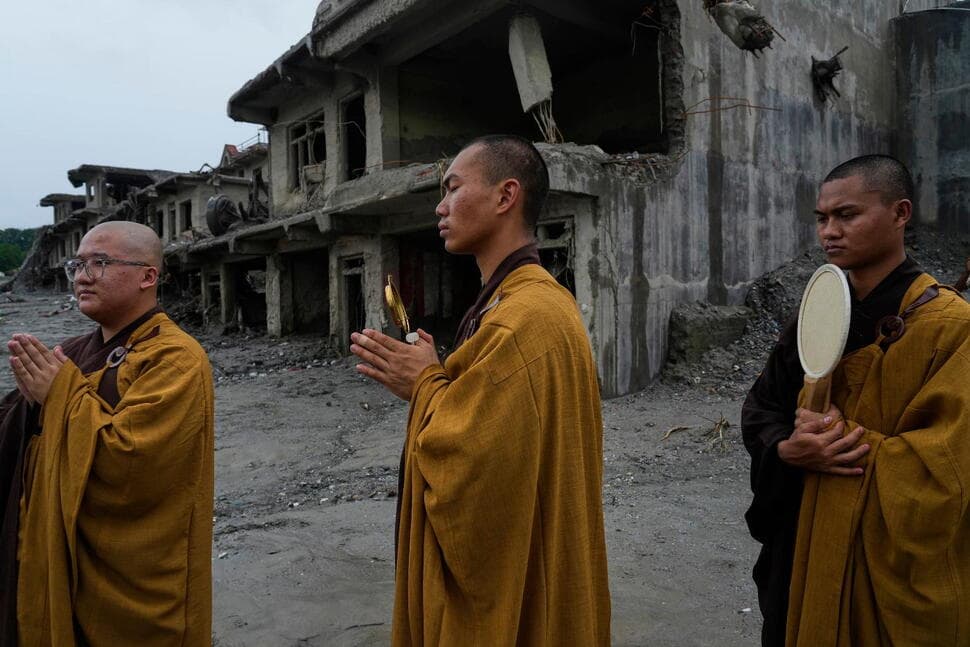
Kathmandu: Nepal observed a national day of mourning on Monday for victims of the catastrophic floods that struck the Nepal China border nearly two weeks ago, as rescue teams continued searching for people still missing in the disaster.
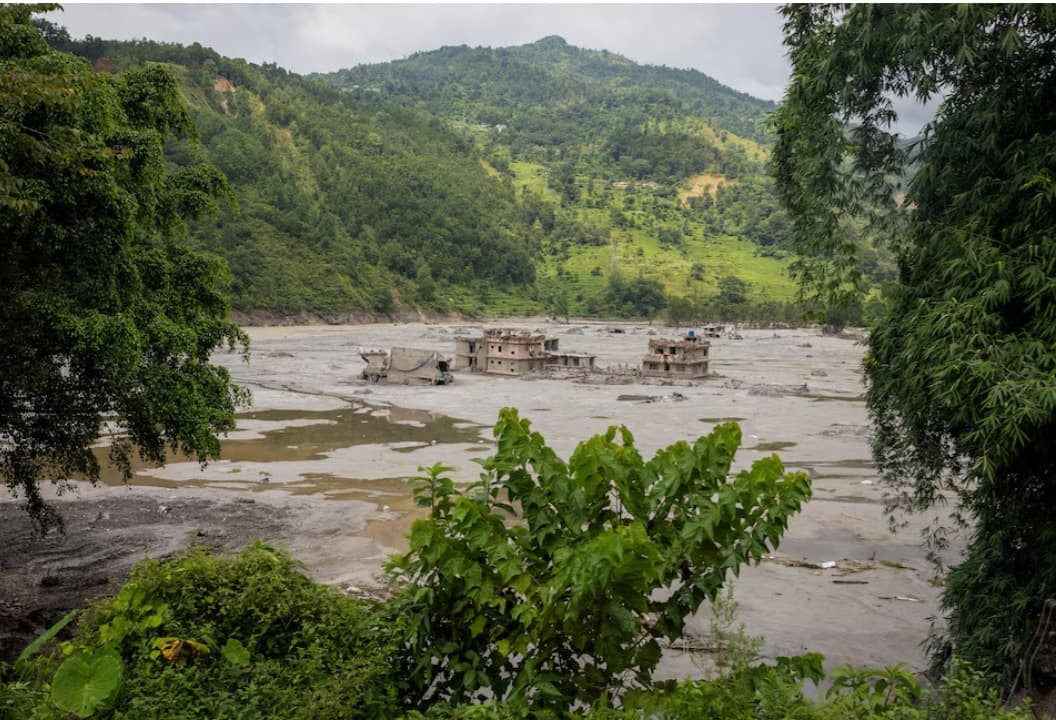
The floods, triggered by a glacier collapse on August 26, sent huge volumes of mud, rock and water through valleys in Nepal and parts of Tibet. At least 1380 people have been confirmed dead, while more than 5500 remain missing, according to the latest reports.
National flags were flown at half mast as Nepal marked the 13th and final day of traditional Hindu mourning. Families also held prayers and symbolic funeral rituals for relatives whose bodies have not been recovered.
The disaster has also left dozens of foreign nationals unaccounted for. Among them are 36 Australians, many of whom were travelling near the Nepal Tibet border during pilgrimages to Mount Kailash. Six Australians previously reported missing have been found safe, but relatives of those still unaccounted for continue to search for information.
Australian authorities have sent a 15 member specialist disaster response team to Nepal, including drone operators capable of searching large and difficult to access areas.
Seven Australian Federal Police disaster victim identification specialists are also expected to assist the operation. For families, however, the most powerful source of hope has come from survivors found days after the disaster.
Rescuers recently pulled people alive from tunnels linked to hydropower projects, including a Chinese national and workers who had remained trapped underground. Four survivors were rescued in recent operations, raising hopes that others could still be found in isolated tunnels and damaged infrastructure.
The rescue effort remains extremely difficult. Roads and bridges have been destroyed, entire sections of valleys have been buried under mud and debris, and helicopters and drones have become essential for reaching remote areas.
For Nepal, the mourning day marks a moment to remember those who died. But for thousands of families still waiting for news, the search is not over. As long as rescuers continue finding people alive, hope remains part of the story.