
Moscow: At least 11 people were killed and six injured after an avalanche struck a group of climbers on Mount Mizhirgi in Russia’s Kabardino Balkaria region, local emergency services said.
The avalanche swept down the mountain at around 5pm local time on Sunday, striking a group of 33 climbers in the Bezengi Gorge.
By Monday morning, 10 climbers had managed to descend the mountain on their own, while the fate of six others remained unknown. Six injured climbers were taken to medical facilities, according to Russian emergency authorities.
More than 50 emergency workers have been deployed for the search and rescue operation. Officials said difficult mountain terrain and the risk of additional avalanches were making the operation particularly dangerous. Regional authorities said 56 rescuers were involved in the effort.
The incident initially appeared less severe, with Russian authorities reporting two deaths shortly after the avalanche. The confirmed toll later rose to 11 as rescue teams reached more of the affected area.
Russian investigators have also opened a criminal investigation into possible negligence in connection with the deaths, while the regional prosecutor’s office is overseeing efforts to establish the circumstances surrounding the incident.
Why Mount Mizhirgi is dangerous?
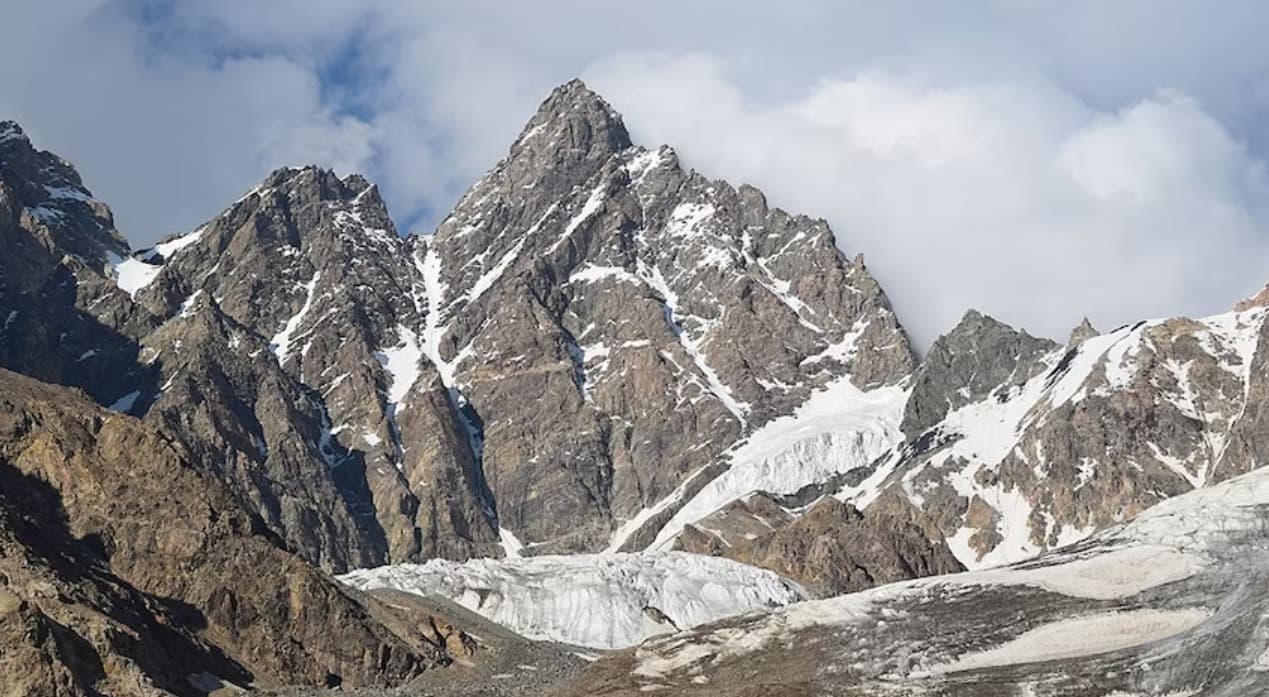
Mount Mizhirgi is among the highest peaks in Russia’s North Caucasus and forms part of the Greater Caucasus mountain system. Its glaciated slopes require technical mountaineering skills and expose climbers to rapidly changing high altitude conditions.
The Caucasus contains some of Europe’s highest mountains. Mount Elbrus, also in the Greater Caucasus, rises to 5642 metres and is recognised as the highest mountain in Europe.
The region’s combination of glaciers, steep terrain and unstable snow and ice can make rescue operations extremely challenging. After an avalanche, rescuers must also balance the need to reach survivors quickly against the possibility of another avalanche.
The latest tragedy highlights the risks faced by climbers operating in high altitude environments, where a single natural event can affect a large group within minutes. For rescuers, the priority now is to locate the six missing climbers while avoiding further casualties among emergency personnel.