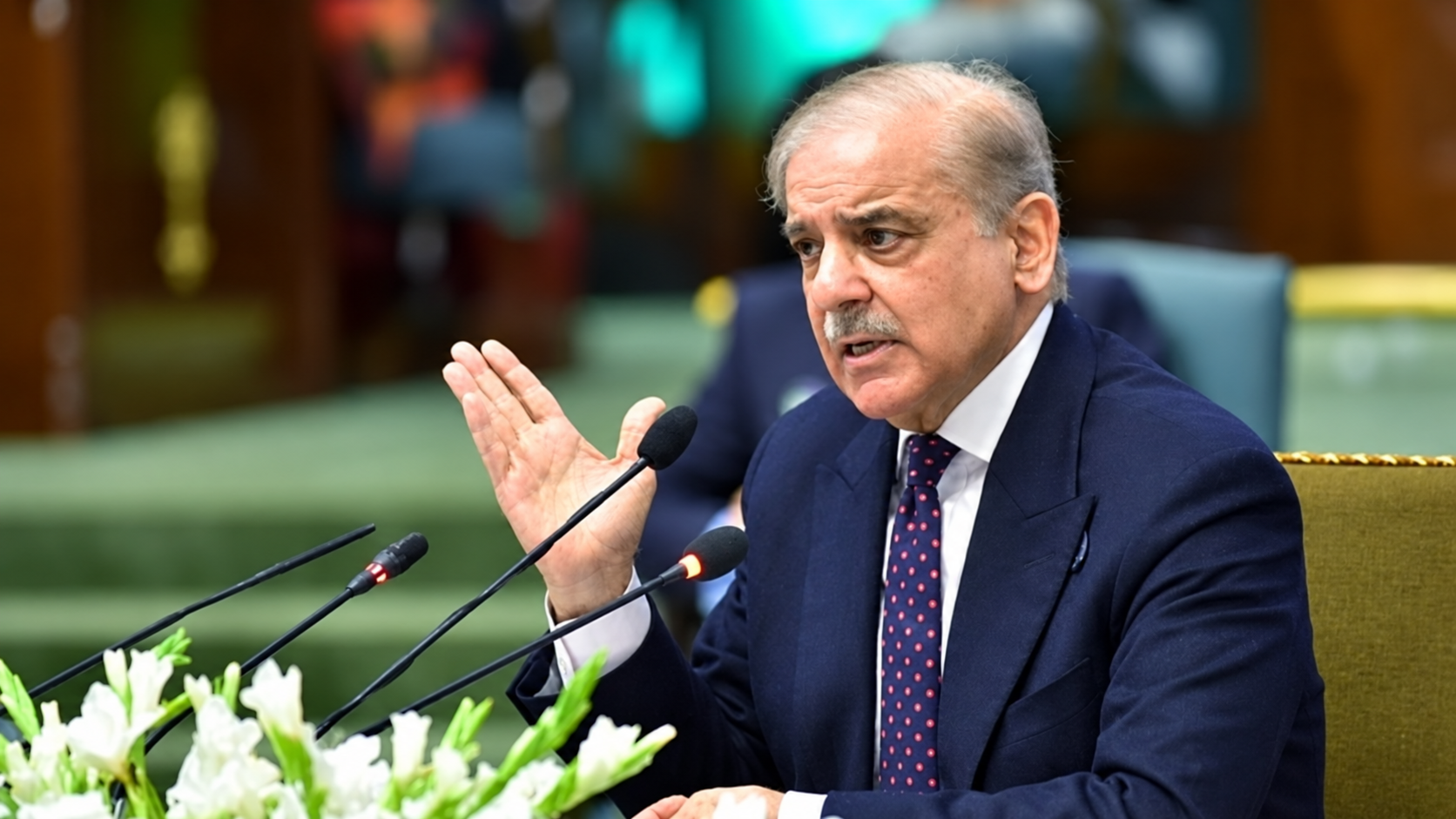
Islamabad: Prime Minister Shehbaz Sharif formed an eight member ministerial committee to review proposed changes to Pakistan's liquefied petroleum gas (LPG) policy amid supply shortages that pushed domestic cylinder prices sharply above government notified rates.
According to reports published on Saturday, the committee was formed after LPG marketing companies and dealers objected to the Petroleum Division's proposed reforms, arguing that the policy was prepared without adequate consultation.
The proposed framework would allow state owned enterprises to import LPG and set monthly prices, thereby replacing the Oil and Gas Regulatory Authority's (OGRA) existing role in price setting.
However, the proposals remain under review and are yet to be implemented.
LPG cylinder prices reach Rs 7200
LPG prices increased sharply following disruptions to imports and supply routes.
According to reported market rates, an 11.57 kilogram domestic LPG cylinder is selling for between Rs 06000 and Rs 7200, compared with OGRA's notified price of Rs 3296.
At the upper end of the reported range, consumers are paying Rs 3904 more than the official rate for a cylinder.
The supply situation deteriorated after operations at the Pakistan Iran border halted earlier in October, while LPG imports through maritime routes also declined.
The resulting shortages increased pressure on households and businesses that depend on LPG for cooking and other energy needs.
Government considers removing OGRA from LPG pricing
Under the Petroleum Division's proposed reforms, state owned companies, including Pakistan State Oil (PSO), the Sui gas companies, PARCO and Pakistan LNG, would assume a larger role in LPG importation and pricing.
The proposal would retain monthly price revisions but shift price setting responsibility away from OGRA.
The Petroleum Division proposed that OGRA cease issuing price notifications for both locally produced and imported LPG.
Eight member committee given one month
The newly formed committee will be chaired by the federal petroleum minister.
Its members include the ministers for economic affairs and information, the prime minister's adviser on interprovincial coordination, the special assistant for energy, the petroleum secretary, the director general of liquefied gases, and the head of the Government Relations Unit.
The committee was not directed to examine the proposed LPG reforms, cylinder standards, or the domestic LPG supply model.
It must submit a comprehensive report to the prime minister within a month.
Proposed subsidies for low income consumers
Under the plan, the difference between designated producer prices and import linked prices would be paid into a dedicated fund.
The government would use the fund to support eligible low income households under the Benazir Income Support Programme (BISP).
The reforms also propose increasing the minimum margins for LPG marketing and importing companies from Rs 35000 to Rs 50000 per tonne.
According to the Petroleum Division, the adjustment would account for inflation, as the margins remained unchanged since the 2016 LPG policy.