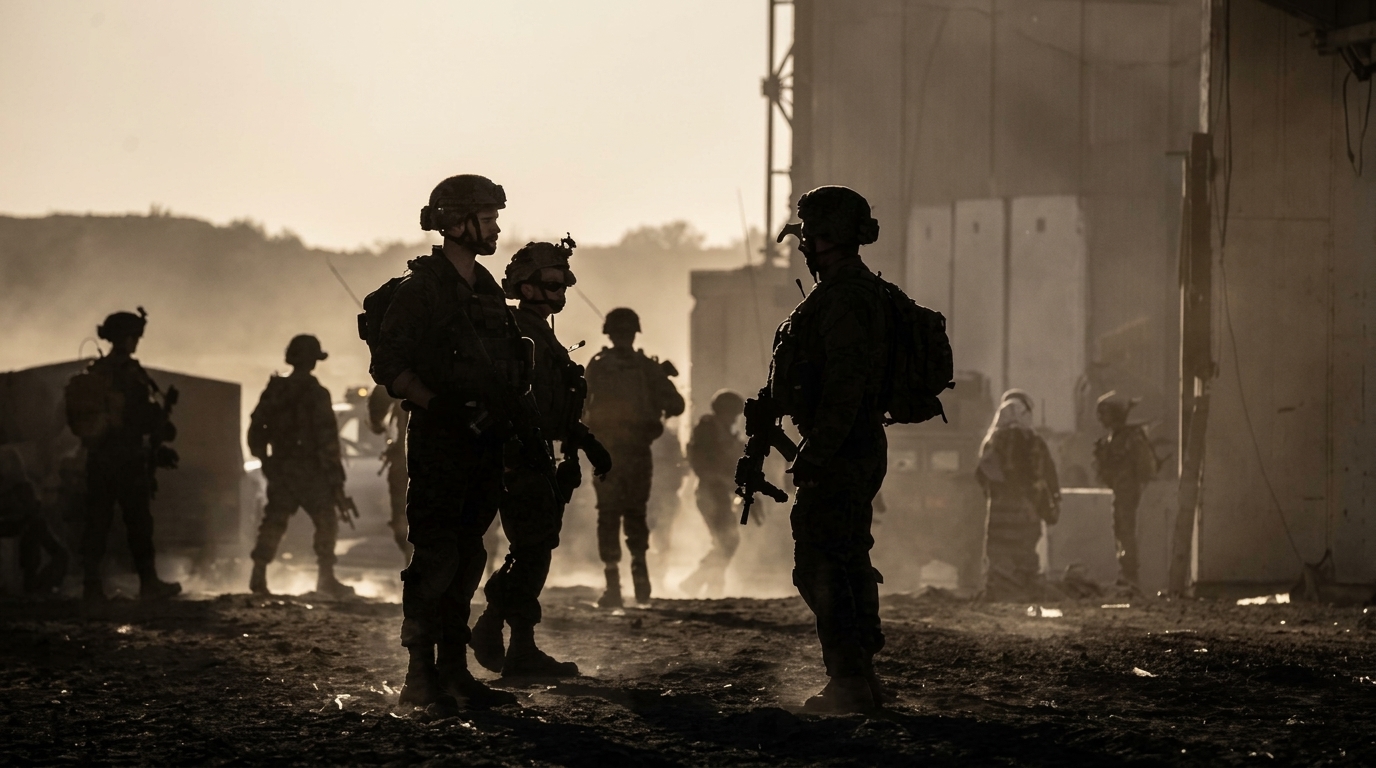
Tel Aviv: At least 23 serving Israeli soldiers and officers have died by suicide since the beginning of 2026, the highest annual figure recorded by the Israeli military in 16 years, according to a report published by Israeli newspaper Haaretz on Monday.
The report also identified 17 former soldiers who had served in regular or reserve forces during the Gaza war and died by suicide after leaving active service. The findings have raised concerns about the mental health of Israeli military personnel following more than three years of conflict and repeated deployments.
According to figures cited by Haaretz, the Israeli military recorded an average of approximately 12 suicides annually during the decade preceding the Gaza war, which began in October 2023. The number increased to 21 in 2024 and 22 in 2025, before reaching 23 during the first 11 months of 2026.
The figures indicate an increase in the number of deaths, although they do not establish the individual circumstances or causes behind every case. The distinction between serving personnel and former soldiers is also significant because military statistics have not consistently included people who died after completing their service.
According to the report, Israeli military authorities assessed that 10 of the 17 deaths involving former soldiers were highly likely to be connected to military service.
One additional case remained under examination.
The newspaper also reported that most serving soldiers who died by suicide in 2026 had not previously sought mental health treatment. These findings have drawn attention to whether military personnel are receiving support during deployment and after returning to civilian life.
The increase follows the war in Gaza, which began after Hamas led attacks on southern Israel on October 7, 2023. Israel subsequently launched military operations in Gaza, while fighting and security tensions also extended to Lebanon and other parts of the region.
Hundreds of thousands of Israeli soldiers and reservists have served during the conflict, with some undertaking repeated deployments. Military personnel have reported experiences involving combat, casualties and the challenges of returning to ordinary life after service.
However, exposure to combat does not establish that an individual's death was caused by military service. Such conclusions require assessment of the circumstances of each case.
In January 2026, Reuters reported that Israel's Defence Ministry had recorded an increase of almost 40 per cent in post traumatic stress disorder (PTSD) cases among military personnel since September 2023.
The ministry said that 60 per cent of approximately 22,300 service personnel receiving treatment for war related injuries were experiencing post traumatic symptoms. It also reported expanding mental health services and increasing resources for treatment.
Mental health professionals interviewed by Reuters described problems involving trauma, depression and difficulties obtaining treatment, particularly when service members were required to complete assessment procedures before receiving certain forms of support.
Data presented to an Israeli parliamentary committee previously showed that 279 military personnel had attempted suicide between January 2024 and July 2025. The findings prompted discussion about the availability of mental health services and the support provided to reservists following military service.
Yossi Levi-Belz, head of the Centre for Suicide and Mental Pain Studies at the University of Haifa, warned that soldiers and reservists who had served during the conflict could remain at risk in the coming years. His comments highlighted the need for continued mental health monitoring and treatment after personnel leave active service.
The latest figures come as the effects of the Gaza war continue to be felt among both military personnel and civilians. The conflict has killed tens of thousands of Palestinians and displaced much of Gaza's population, while healthcare workers have reported extensive psychological trauma among residents.
In Israel, the figures reported by Haaretz have intensified questions about the psychological consequences of prolonged military service and the availability of treatment for those affected. Israeli military authorities had not issued a public response to the latest figures in the reports available at the time of writing.
The findings point to a need for further examination of suicide prevention measures, access to treatment and support for personnel transitioning out of military service.