

Washington: Iran said on Saturday it is waiting on an official US response to its proposal to reopen the Strait of Hormuz and halt fighting across the Middle East, after the Wall Street Journal reported that US President Donald Trump had rejected the plan.
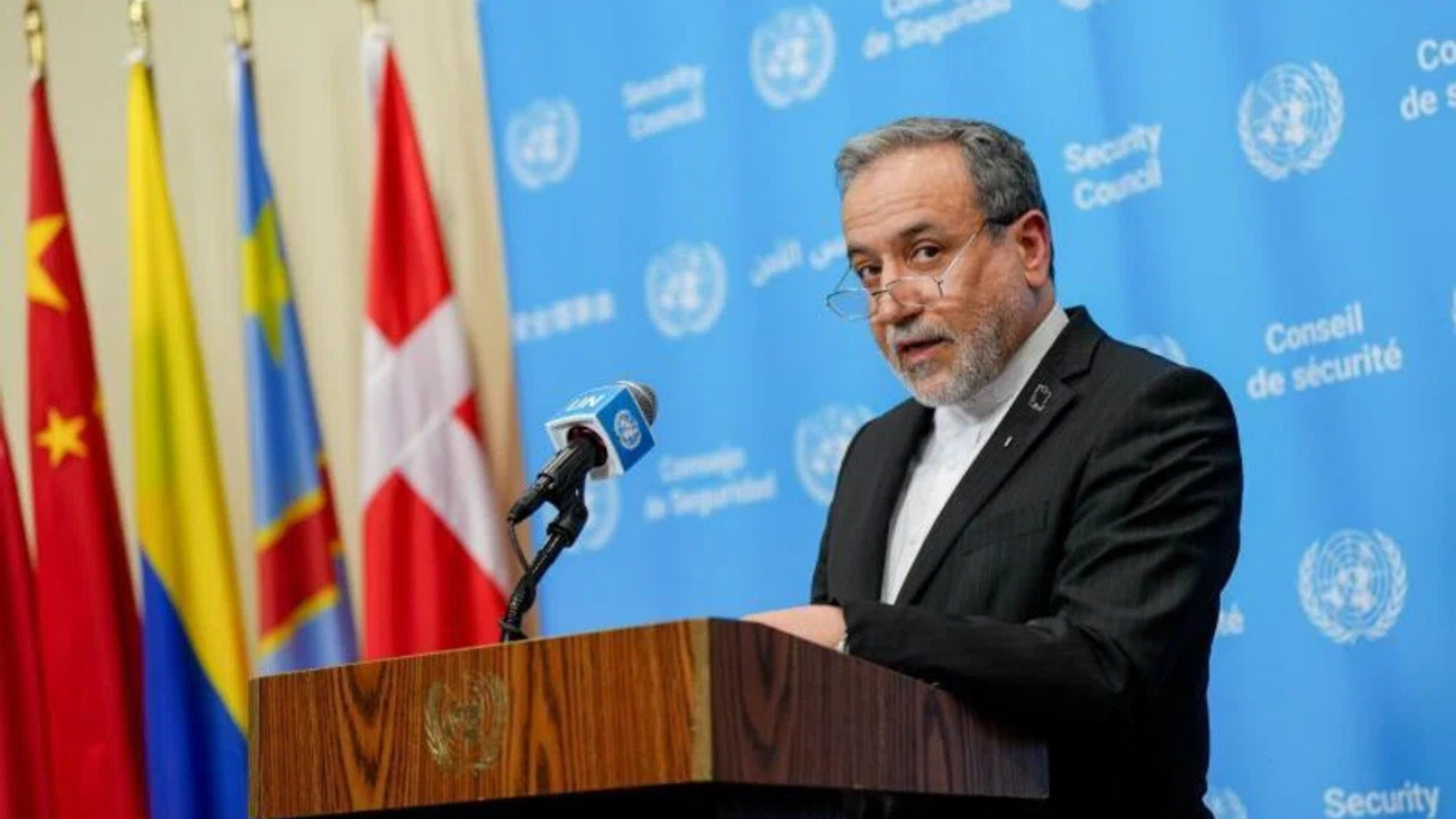
Iranian Foreign Minister (FM) Abbas Araghchi said in New York on Friday that the proposal, transmitted to Washington through Qatari mediators, could lead to the reopening of the strategic waterway within seven days and a pause in hostilities across the region.
“If there is seriousness on the US side to come to a deal and reopen the Strait of Hormuz, everything is now prepared,” Araghchi told reporters. He said broader negotiations could begin after the initial agreement, potentially including discussions on Iran’s nuclear programme.
Under the proposal, Iran would reopen the strait and halt hostilities on all fronts, including Lebanon. In return, the US would lift its blockade of Iranian ports, release frozen Iranian funds and waive oil sanctions, according to Araghchi.
A senior Iranian official said that Tehran would not make concessions on its nuclear programme at this time, even if Washington accepted the proposal. The official said Iran would maintain its position on uranium enrichment and would not agree to send its highly enriched uranium out of the country.
The official also said the Strait of Hormuz would remain closed until all of Iran’s conditions were met. The waterway is a major route for global oil shipments and has remained largely closed amid the conflict.
Separately, the Wall Street Journal reported that Trump was privately sceptical Iran would meet US demands and had told staff that a renewed bombing campaign was likely.
Speaking in New York, Iranian President Masoud Pezeshkian said Tehran remained open to resolving its dispute with Washington but called for the US to demonstrate that it did not intend to overthrow the Iranian government.
The conflict began on February 28 with US and Israeli attacks and has since included strikes and retaliatory attacks across the region. Iran and its allies have targeted US interests in allied countries across the region, while Iran linked Houthi forces in Yemen have launched attacks against Saudi Arabia.
On Saturday, the Saudi led coalition in Yemen said it intercepted two drones launched towards Riyadh and a ballistic missile targeting Khamis Mushait.
The escalation has also prompted closer security coordination among Saudi Arabia and its partners. Defence officials from Pakistan and Turkey met in Riyadh on Friday to discuss intelligence cooperation, military coordination and force integration under their joint defence arrangements with Saudi Arabia.