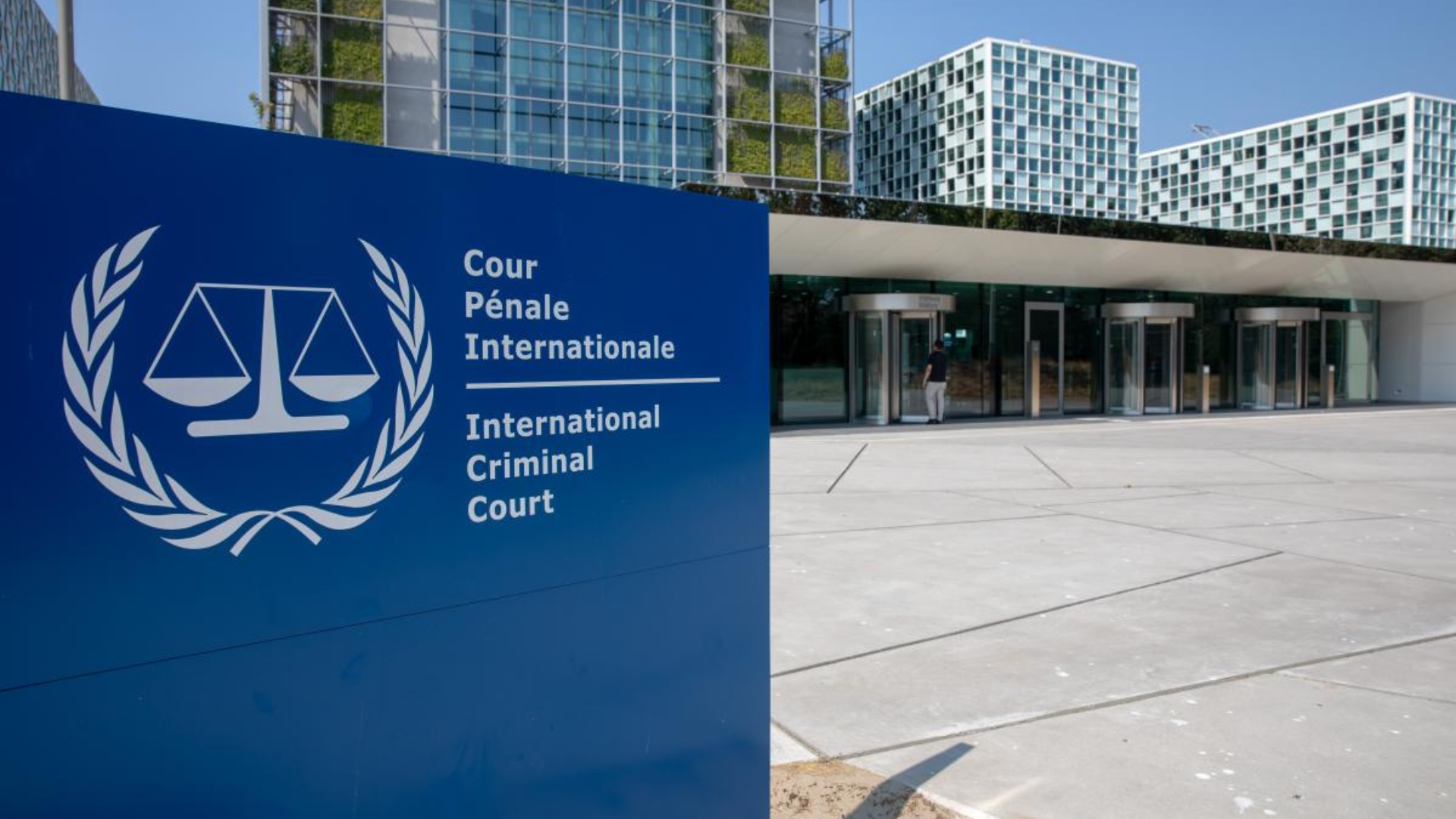
The Hague: The International Criminal Court (ICC) unsealed arrest warrants for four senior Taliban leaders accused of crimes against humanity, including the systematic persecution of women and girls and others targeted under the Taliban’s gender policies in Afghanistan.
The warrants name the Taliban Supreme Leader Hibatullah Akhundzada, Chief Justice Abdul Hakim Haqqani, Education Minister Habibullah Agha and Higher Education Minister Neda Mohammad Nadim.
The warrants for Akhundzada and Haqqani were issued in July 2025, while those for Agha and Nadim were issued in September 2025. The ICC’s Pre Trial Chamber II unsealed all four warrants on October 5, 2026.
The court found there were reasonable grounds to believe that the four officials were criminally responsible for ordering, inducing or soliciting persecution on gender grounds against women, girls and people whose gender identity or expression did not conform to Taliban policies.
They are also accused of persecution on political grounds against people perceived to support the rights of women and girls.
According to the ICC, Taliban policies led to severe violations of fundamental rights and freedoms following the group's return to power in Afghanistan on August 15, 2021.
The court said women and girls were specifically deprived of rights, including education, privacy and family life, as well as freedoms of movement, expression, thought, conscience and religion.
Afghanistan remains the only country in the world where girls are barred from secondary education, and women are prohibited from attending university, according to UN Women.
Since returning to power, the Taliban has also imposed extensive restrictions on women’s employment and on their participation in public life.
The Taliban rejected the ICC’s decision. Government spokesman Zabihullah Mujahid said that Afghanistan did not recognise the court or attach significance to its decisions, adding that the Taliban authorities were governed by Islamic Sharia law.
The ICC has no police force of its own and relies on member states to carry out its arrest warrants. With all four men believed to remain in Afghanistan under Taliban rule, their immediate arrest is considered unlikely.
The decision nevertheless places the allegations of systematic gender persecution in Afghanistan within an international criminal justice framework, with the four Taliban officials formally wanted by the ICC.