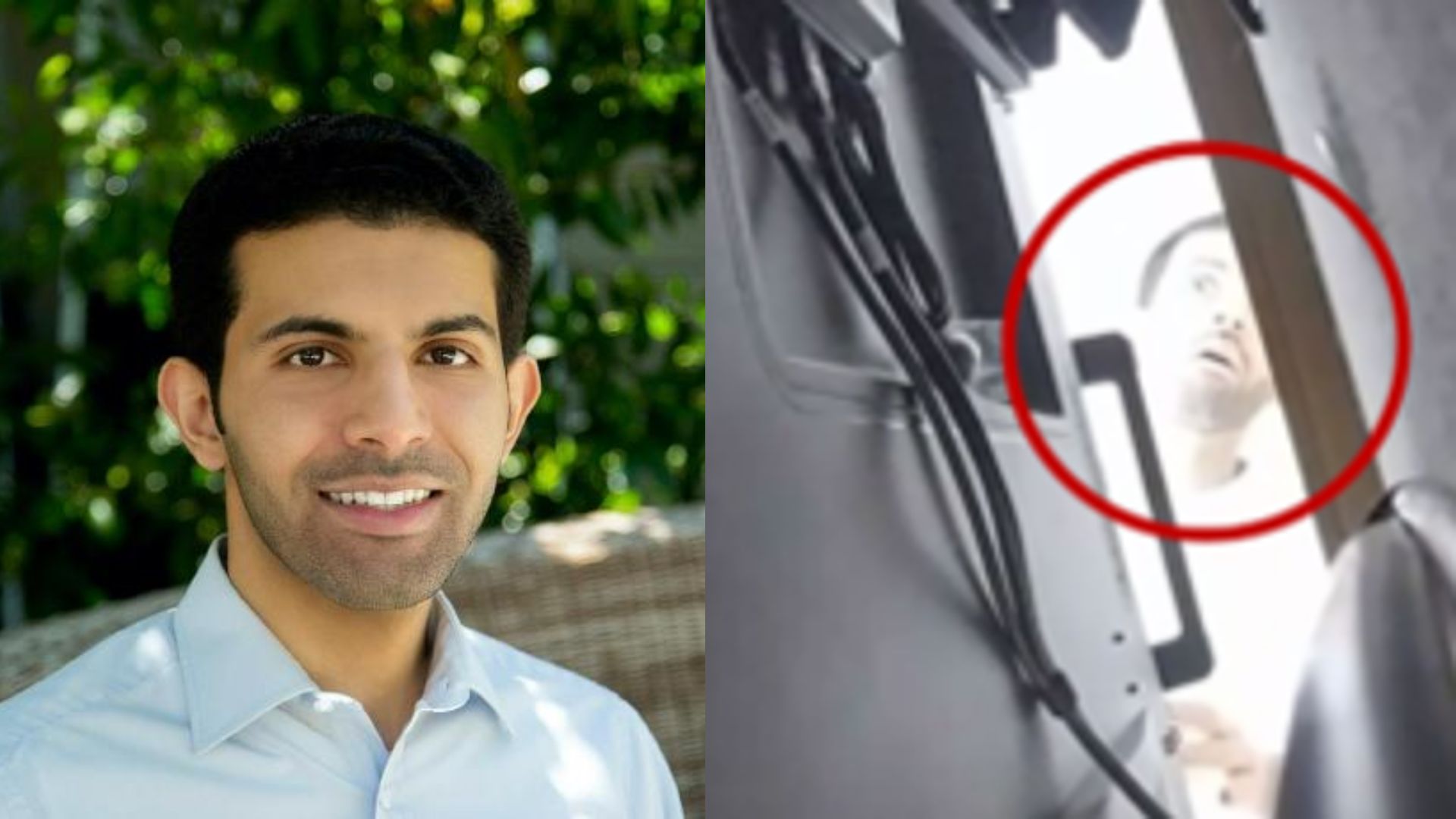
Abdulrahman Alfozan, a former engineer at OpenAI, has been accused by US federal prosecutors of placing concealed audio recording devices inside the artificial intelligence company's offices to capture private conversations involving executives and other employees.
The 35 year old Saudi national was arrested on 9 October 2026, according to the US Department of Justice. The allegations centre on a recording device reportedly discovered in an executive conference room at OpenAI's San Francisco office. Alfozan has been charged in connection with the alleged interception of oral communications and is presumed innocent unless proven guilty in court.
Abdulrahman Alfozan's professional background
Alfozan joined OpenAI in July 2025, according to reporting by Reuters. His professional history also included positions at Meta and Microsoft, while his LinkedIn profile listed educational links to the Massachusetts Institute of Technology and the University of California, Berkeley.
His employment at OpenAI placed him within one of the world's leading artificial intelligence companies, where confidential discussions can involve research, product development, commercial partnerships and business strategy. However, the precise scope of his responsibilities and access to sensitive information has not been fully established in public reporting.
How the alleged recording operation was discovered
According to the criminal complaint, OpenAI employees found a concealed recording device behind a television in an executive conference room on 30 September 2026. Investigators alleged that the device had been installed approximately two days earlier and was disguised among ordinary office materials.
Prosecutors said the room was regularly used for meetings involving sensitive company matters, including proprietary technology, future products and strategic business decisions.
The investigation also examined internal workplace activity and digital records. According to the allegations, Alfozan had used an internal productivity tool to obtain information about office locations, room bookings and meetings involving company executives and external partners.
Investigators additionally identified chatbot prompts associated with an account belonging to his spouse. Prosecutors alleged that questions submitted through the account concerned the construction, concealment, testing and remote operation of an audio recording device. These digital records form part of the allegations being examined by authorities; their significance remains a matter for the legal process.
The complaint further alleges that security footage showed Alfozan looking behind the television on 5 October. OpenAI security personnel later reportedly discovered another recording device in a bag said to belong to him.
OpenAI's response and the investigation
OpenAI dismissed Alfozan and referred the matter to the Federal Bureau of Investigation. The company said it had used its internal AI systems to help investigate the incident and identify the source of the recording device.
The company also reported that its investigation had found no evidence that Alfozan improperly accessed or extracted model weights, source code or customer data.
This distinction is important: the allegations concern covert audio recording and do not, on the information publicly reported, establish that proprietary AI technology or customer information was stolen.
What charges does Alfozan face?
The case centres on alleged violations of US federal law governing the interception of oral communications. According to the Justice Department, the charge carries a maximum potential sentence of five years in prison, a USD 250000 fine and three years of supervised release.
Those penalties represent the statutory maximum, not a prediction of the outcome. The prosecution must establish the allegations in court, and the case remains subject to the US legal process.
The investigation also raises questions about how technology companies protect confidential meetings and detect potential insider threats. For Alfozan, however, the immediate issue is the criminal case and whether the evidence presented by prosecutors will establish his guilt beyond a reasonable doubt.