Quetta: Balochistan authorities said 10 people linked to militant activities had been arrested in separate intelligence based operations, as Chief Minister Sarfraz Bugti condemned violence against civilians and said terrorism had no connection with Baloch values.
At a media briefing on October 16, Chief Minister’s Adviser on Media and Political Affairs Shahid Rind said those arrested included six alleged members of Fitna al Khawarij (FaK), formerly known as Tehrik e Taliban Pakistan (TTP), two suspected would be female suicide bombers and two commanders of another banned organisation.
The commanders were arrested in Shaban and Khadkocha, he said. Rind was accompanied by Additional Chief Secretary Hamza Shafqaat and Quetta DIG Imran Shaukat.
Officials said around 90 arrested suspects were being held at a centre where investigations and legal proceedings were underway.
Shafqaat separately described the August arrests of Niaz Jatoi and Habibur Rehman, both residents of Kardgap. He said the Counter Terrorism Department (CTD) and security forces detained them following a heightened threat alert, foiling a planned August 14 attack in Quetta linked to “Herof 3”.
Weapons and explosives allegedly being transported from Chagai to Quetta, including hand grenades and light machine guns, were recovered, while the vehicles involved were seized, he said.
Rind said operations would continue under the provincial action plan in coordination with the federal government. However, people who abandoned militancy and accepted Pakistan’s Constitution and laws would be offered an opportunity to return to normal life.
He cited Shahab, a Panjgur resident who reportedly joined a banned organisation through social media, and said families, political representatives and district administrations were helping young people leave armed groups.
Shafqaat cited previous rehabilitation cases, including Khadija Baloch, who he said had been reunited with her family. He also said the provincial government had enacted 16 laws and established 17 departments over the past two years.
DIG Shaukat said agencies had conducted 3300 intelligence based operations across Balochistan, arresting more than 300 suspected terrorists and killing hundreds. He did not specify the reporting period. He said police capacity had been strengthened and reported the deaths of two security personnel in counterterrorism efforts.
Video statements by Shahab, Jatoi and Rehman were played during the briefing.
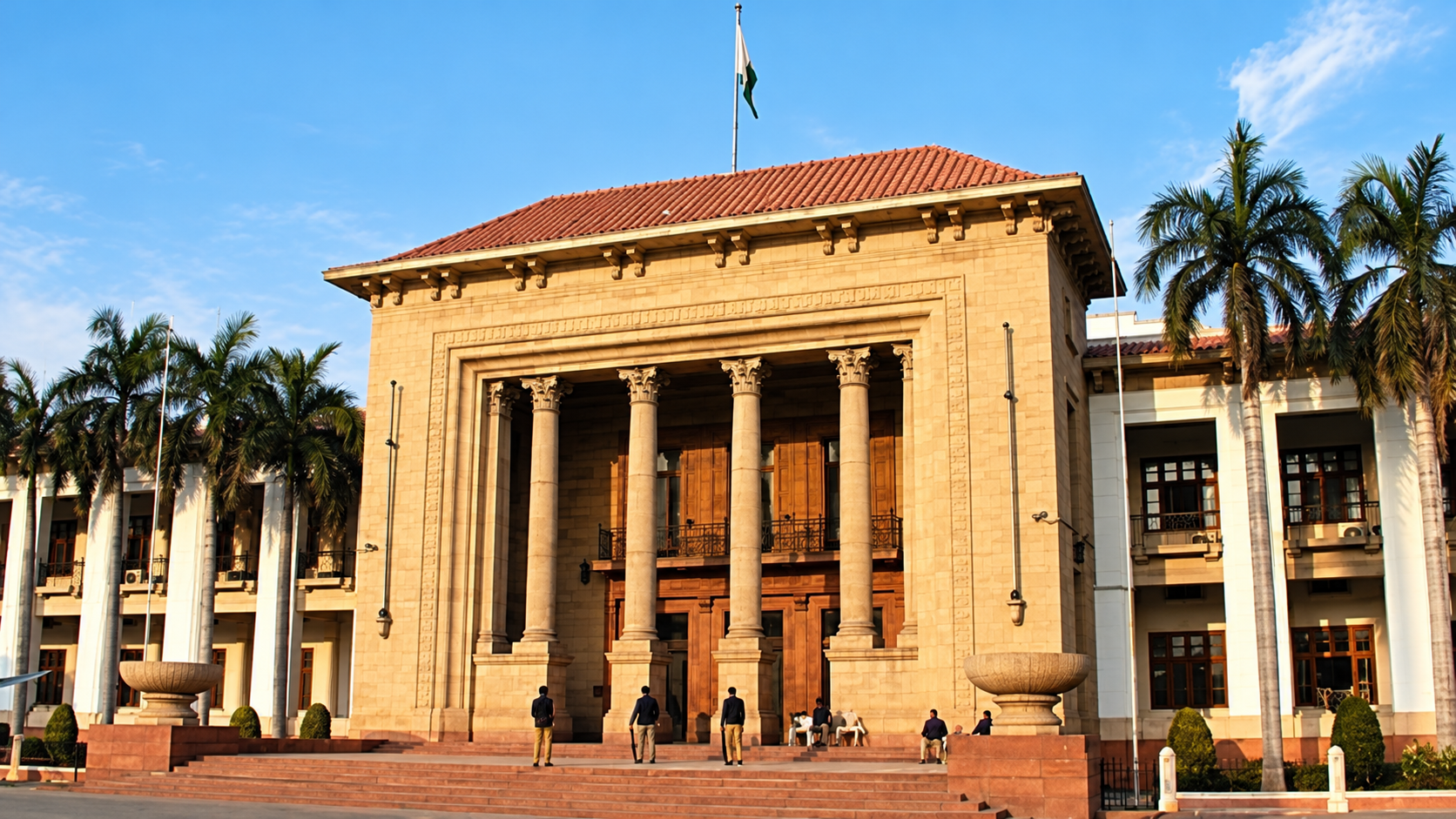
Separately, in the Balochistan Assembly, MPA Mir Jahanzeb Mengal reported an attack on Mir Qambar Khan Mengal’s house in Dasht Goran. He attributed it to Fitna al-Hindustan, formerly known as the Balochistan Liberation Army.
Mengal said firing continued from 6 am until 4 pm, killing Ahmed Nawaz Mengal and injuring another person. His mother and sisters were at the house, he said, calling for the chief minister’s intervention.
Bugti condemned the attack and questioned how killing passengers and unarmed people could be justified as Baloch tradition. He said people increasingly recognised that the province was being drawn into a futile conflict.
Responding to discussion of the Asma Jattak case, Bugti said the government remained in contact with her family but considered the matter too sensitive for detailed debate in the assembly.
Jattak, who was abducted in 2025 and subsequently freed, had accused an influential individual of threatening her family. Her father was shot dead outside their residence in August on the day she made the allegations.
Bugti disputed an earlier assembly allegation that those responsible were present in the house, saying information from security agencies did not support it.
The sitting also addressed school safety after the deadly roof collapse in Peshawar. Former chief minister Dr Abdul Malik Baloch urged inspections of government and private schools and the closure of unsafe buildings until repairs were completed.
Bugti said authorities had been directed to inspect all school and college buildings across the province. Speaker Abdul Khaliq Khan Achakzai said madressahs also required strict safety inspections.