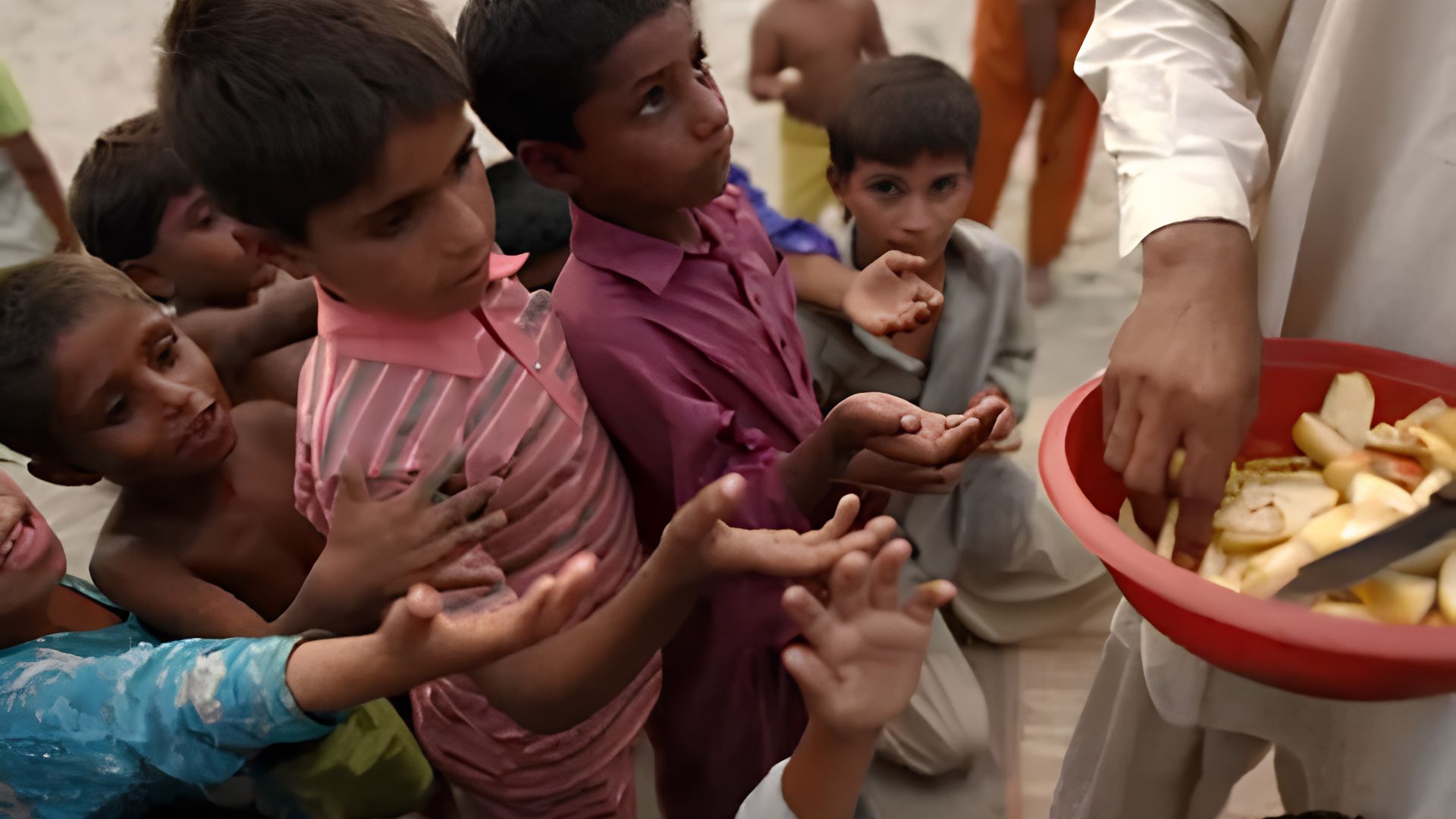
Islamabad: Pakistan is among 10 countries bearing the greatest burden of the global hunger crisis, with millions struggling to afford adequate food as economic pressures and repeated climate disasters undermine household incomes, according to Action Against Hunger.
The organisation’s report, Ten Largest Global Food Crises, released on October 16 for World Food Day, estimates that 10.6 million people in Pakistan will require humanitarian assistance in 2026 despite recovery efforts and improvements in some macroeconomic indicators.
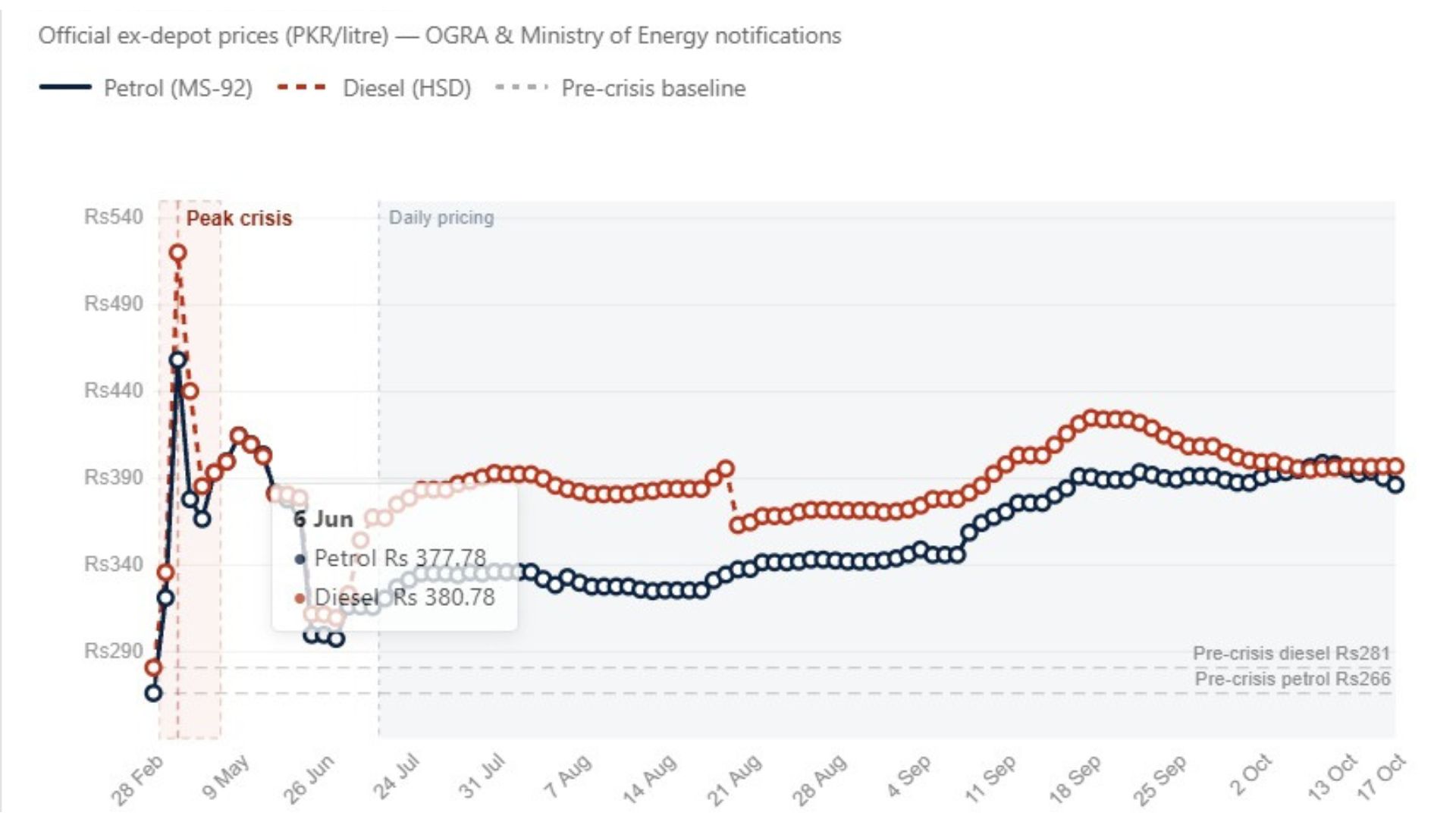
High food prices, rising living costs, limited employment and declining incomes continue to weaken purchasing power. Unfavourable agricultural prices have added to pressure on rural livelihoods.
The report said vulnerable families were reducing food consumption, selling assets used to earn a living and withdrawing children from school to manage financial difficulties.
Such decisions can deepen poverty, damage children’s nutrition and education, and leave households less able to withstand future emergencies.
Limited healthcare, nutrition services, clean water, sanitation and social protection compound these pressures, particularly in rural and disaster affected communities. Funding cuts are also weakening support and livelihood programmes.
Floods, droughts, heatwaves and erratic monsoon rainfall have damaged infrastructure, reduced crop production and affected livestock dependent households. Flooding caused by the sudden release of water from glacial lakes poses an additional threat.
Crop losses and prolonged dry spells have increased reliance on purchased food precisely when many families have less money to spend.
Localised insecurity in Khyber Pakhtunkhwa and Balochistan further disrupts livelihoods, restricts market access and hampers humanitarian operations, the report said.
Globally, it estimates that acute hunger affects 266 million people across 47 countries, twice the level recorded a decade ago.
Approximately 177 million are concentrated in the 10 countries identified, including Pakistan, Afghanistan, Bangladesh, Nigeria, the Democratic Republic of Congo, Sudan, Yemen, Myanmar, South Sudan and Syria.