
Dallas: A waterway that has carried the name of Hormuz for centuries now has another name being proposed for it: Trump.
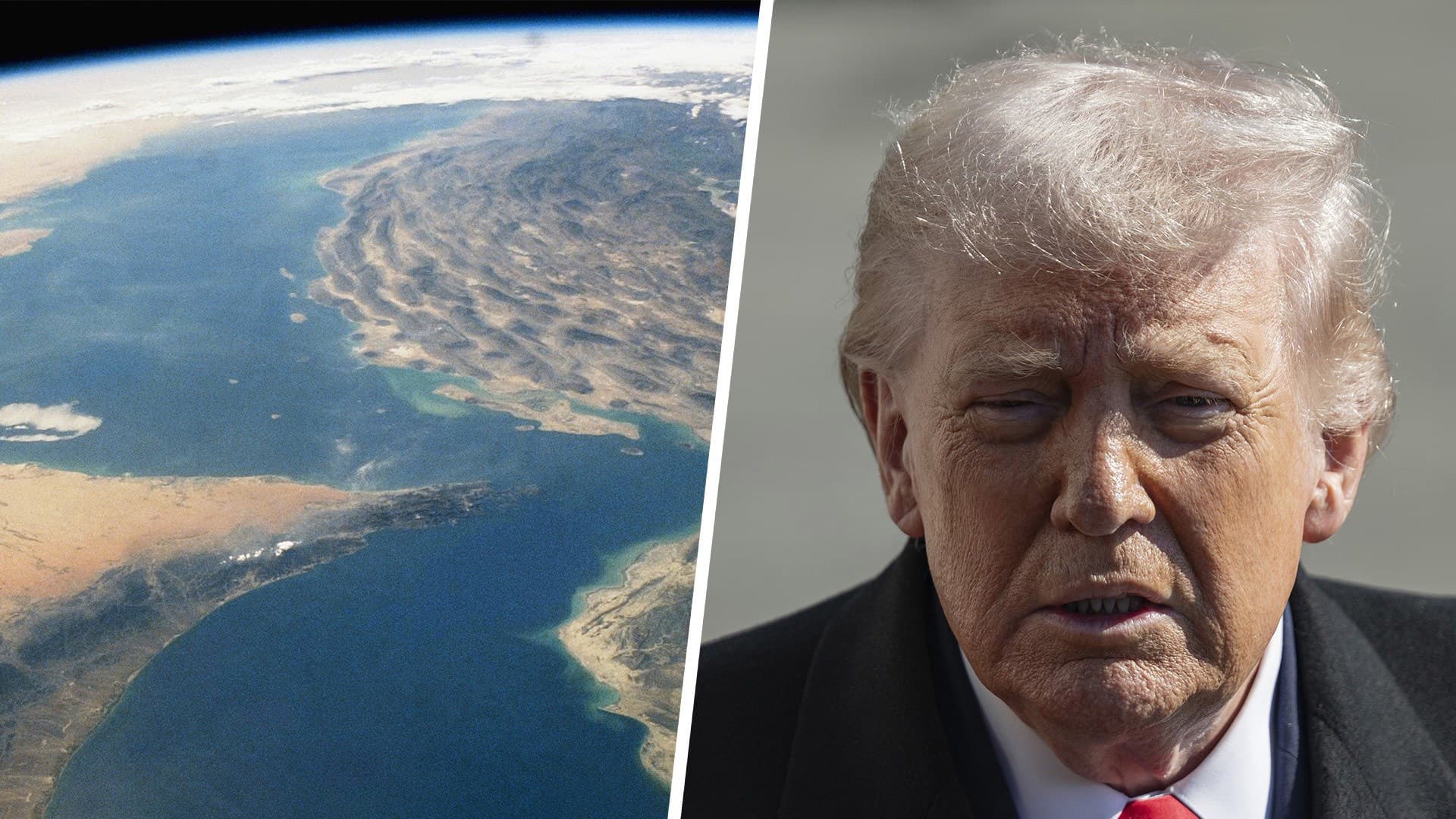
US President Donald Trump said on Wednesday that the United States should call the Strait of Hormuz the “Trump Strait”, claiming that Washington controls the strategic waterway amid its ongoing conflict with Iran.
“I should get something out of it,” Trump told supporters at a Republican midterm convention in Dallas, before joking that Iran’s leadership would be “thrilled” by the proposed name.
The remark was not made in isolation.
The Strait of Hormuz has become one of the most contested points in the escalating US Iran confrontation. Trump has repeatedly claimed that American forces control the waterway, while Iran has continued to challenge US efforts to maintain shipping through the area.
The White House said last month that US forces had cleared Iranian mines from international shipping lanes and escorted commercial vessels through the strait. It said nearly 1500 commercial vessels had travelled through under US protection. Those figures are US government claims and have not independently established American sovereignty over the waterway.
Recent events suggest the situation remains far from settled.
Reuters reported on September 9 that Iran had attacked 10 vessels near the Strait of Hormuz after the US destroyed five Iranian oil tankers. Shipping traffic through the waterway has also slowed, adding pressure to an already volatile global energy market.
The stakes extend well beyond the countries directly involved.
The Strait of Hormuz links the Persian Gulf with the Gulf of Oman and is one of the world's most important energy chokepoints. Disruption there can affect the movement of oil and other commodities far beyond the Middle East.
That is already being reflected in markets. Brent crude has moved above USD 100 a barrel amid fears that prolonged disruption could restrict energy supplies.
Against that backdrop, Trump's proposed renaming has an unusual significance.
Geographical names are normally tied to history, treaties, local usage and international recognition. A US president can use a preferred name domestically or politically, but that does not automatically change the internationally recognised name of a waterway.
Trump has previously pushed similar naming changes. His administration renamed the Gulf of Mexico the “Gulf of America” for US government usage, while he has also proposed other geographical changes.
For Hormuz, however, the symbolism is more loaded.
This is not simply a question of what appears on a map.
It comes while two states are contesting access to a narrow waterway through which global energy supplies move, with military forces operating nearby and commercial vessels caught in the uncertainty.
Trump may want to get something out of Hormuz.
For the rest of the world, the bigger question is what the world will have to pay if the struggle over it continues.