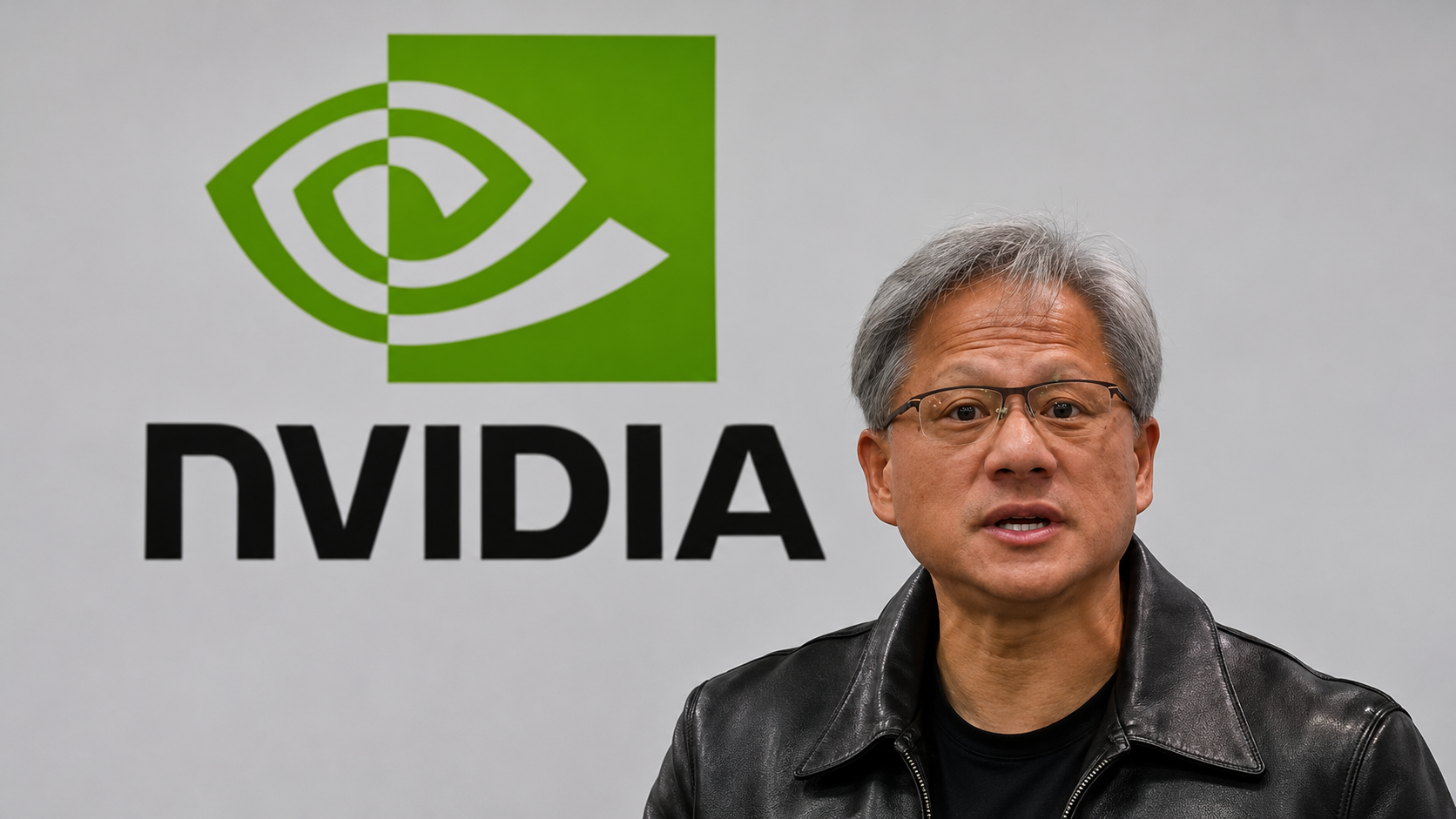
Beijing: China on Thursday accused the United States of using espionage allegations involving Nvidia chief executive Jensen Huang to justify restrictions on Chinese technology, as Washington investigates claims that the chipmaker's founder was targeted by an intelligence operation.
Speaking at a foreign ministry briefing, spokeswoman Mao Ning rejected the allegations and urged Washington to stop using claims of Chinese espionage as grounds for limiting technological cooperation.
“China’s technological progress is driven by independent innovation and open cooperation,” Mao said, accusing the US of using spy narratives as a pretext for a technological blockade.
Her remarks followed reports that Huang had maintained a personal relationship with Alice Huang, a former executive at Singapore based technology company Megaspeed International, who US authorities reportedly suspect of having links to Chinese intelligence.
The allegations have not been established publicly, and neither Huang nor Alice Huang has been charged with espionage.
Nvidia, one of the world's leading suppliers of chips used to develop artificial intelligence (AI) systems, has launched an independent investigation into whether its chief executive was targeted by a foreign intelligence operation.
The company said it had no reason to believe that national security information or corporate secrets had been compromised. Huang has acknowledged an extramarital relationship and pledged to cooperate with the investigation.
Allegations raise questions over chip exports
The controversy has drawn attention to Nvidia's business relationships in China, where American export controls have restricted access to chips used in AI development and computing. Megaspeed International, which has purchased Nvidia processors, has faced scrutiny from US authorities over suspicions that restricted American technology may have reached Chinese customers through intermediaries.
Reports alleging that Alice Huang was associated with Chinese intelligence have prompted questions in Washington about whether sensitive corporate information or business decisions could have been influenced.
Several Republican lawmakers have requested a closed door briefing from Huang on November 18 to examine Nvidia's security procedures and its dealings with the company. However, no publicly available evidence has established that Alice Huang obtained protected Nvidia information or influenced the chief executive's decisions on behalf of Beijing.
US China technology dispute intensifies
The espionage controversy comes amid disagreements between Washington and Beijing over access to semiconductors used in AI systems, data centres and defence related technologies.
The United States has imposed export restrictions on advanced processors, arguing that the technology could strengthen China's military and intelligence capabilities. Beijing maintains that these measures are intended to obstruct its technological development.
Huang has previously argued against restrictions on Nvidia's sales to China, saying limits on American technology could encourage Chinese companies to develop alternatives.
President Donald Trump authorised exports of Nvidia's H200 chips to China in 2025, despite objections from lawmakers concerned about the national security implications.
The latest allegations have renewed calls for stricter controls. Democratic senators Elizabeth Warren and Chris Coons have asked the Trump administration to preserve records concerning Nvidia's exports to China and assess whether national security information was compromised.
The controversy is also affecting Chinese technology companies. According to Reuters, some firms are seeking access to Nvidia powered computing facilities outside China amid concerns that Washington could extend restrictions to overseas cloud services.
The dispute comes ahead of the Asia Pacific Economic Cooperation (APEC) leaders' summit, scheduled for November 18 and 19 in Shenzhen. Trump has said he expects to meet Chinese President Xi Jinping during the gathering, where trade restrictions, technology policy and regional security are among the issues likely to feature in discussions.
The allegations involving Nvidia have added another source of tension to a relationship already affected by disagreements over technology access, trade and national security. For Washington, the issue concerns protecting sensitive technology and enforcing export controls. Beijing, however, argues that American restrictions undermine commercial cooperation and technological development.
Whether the investigation establishes any compromise of Nvidia's information remains unresolved. Its findings could influence the debate in Washington over future semiconductor exports to China.