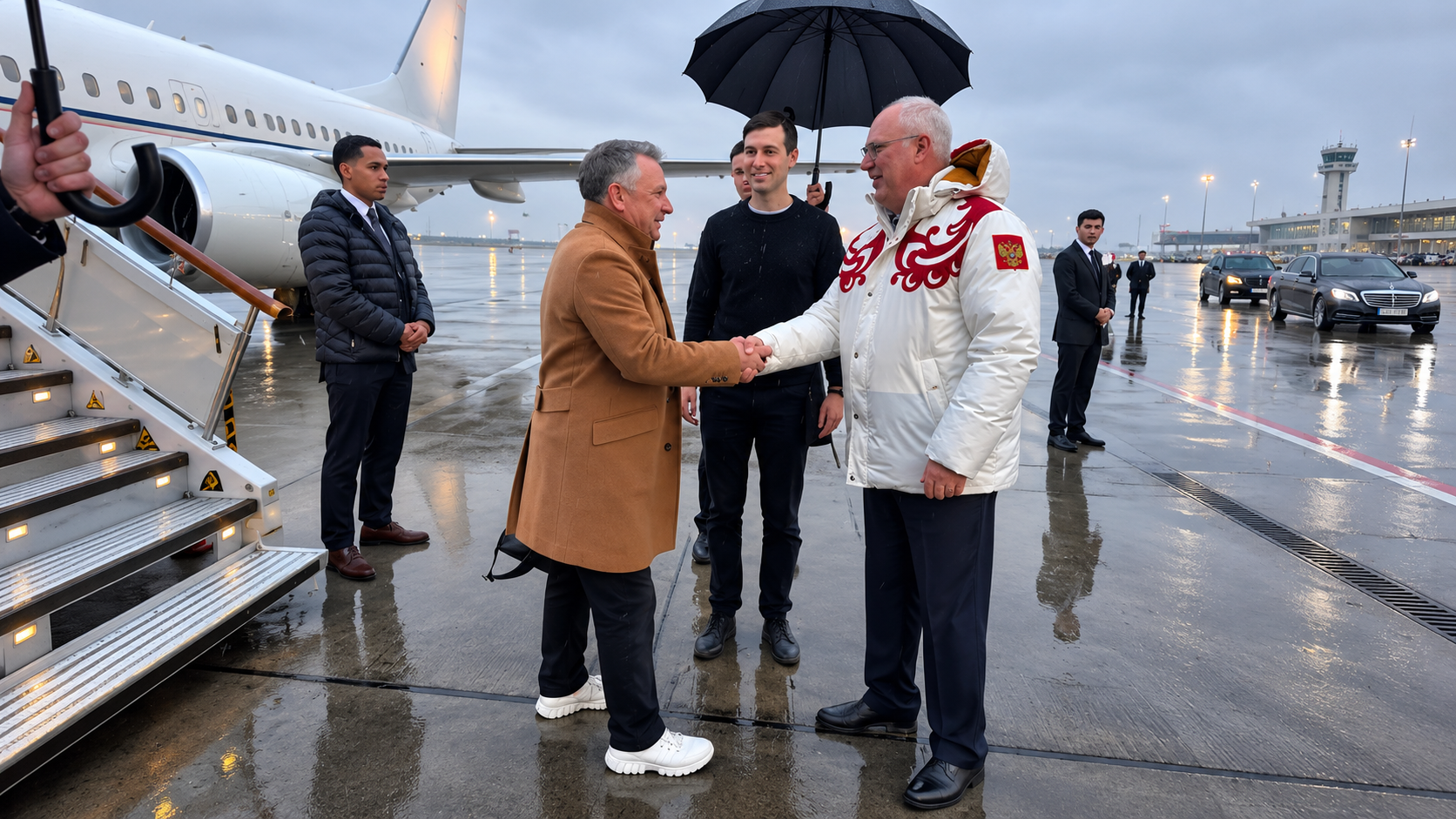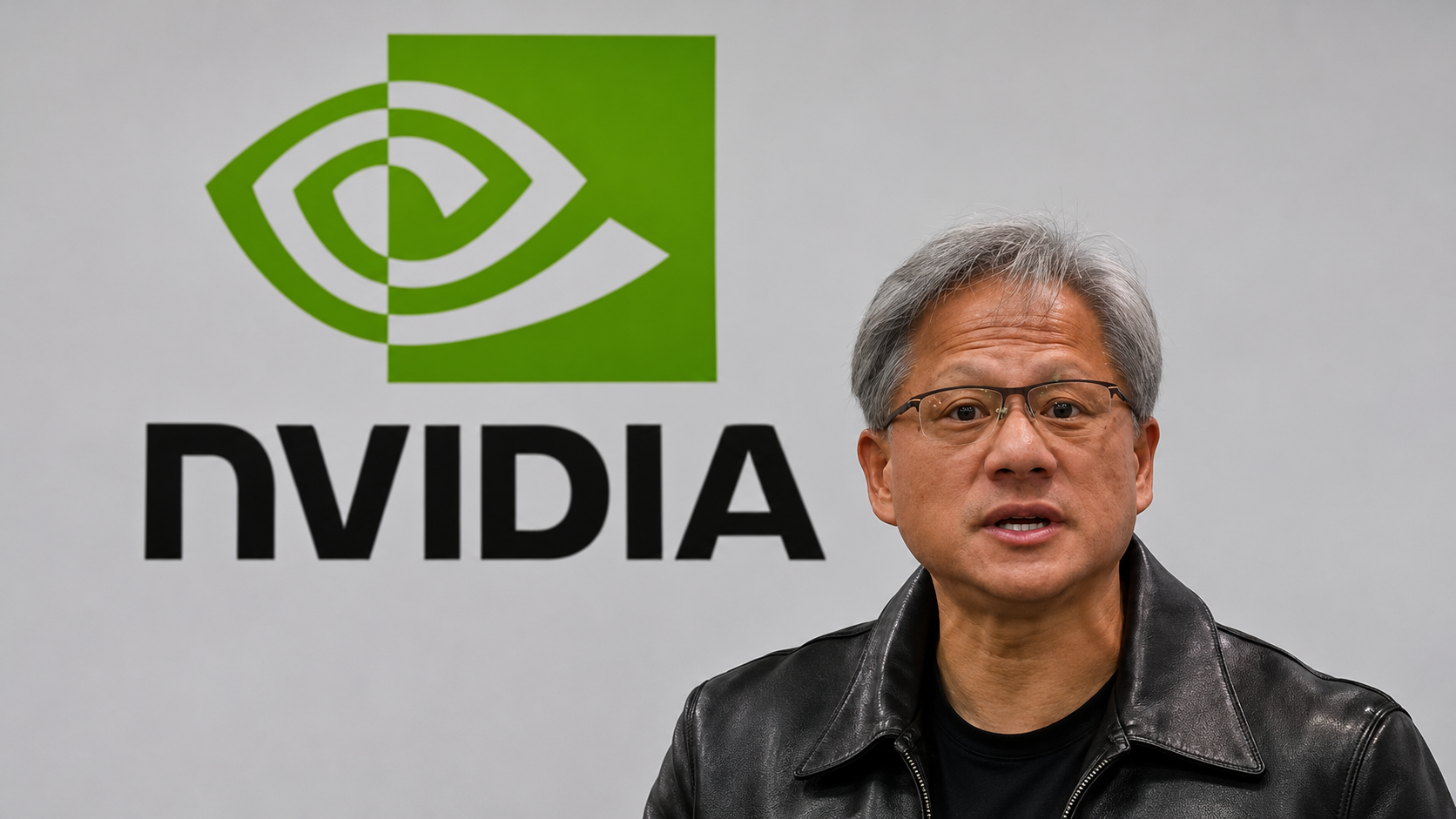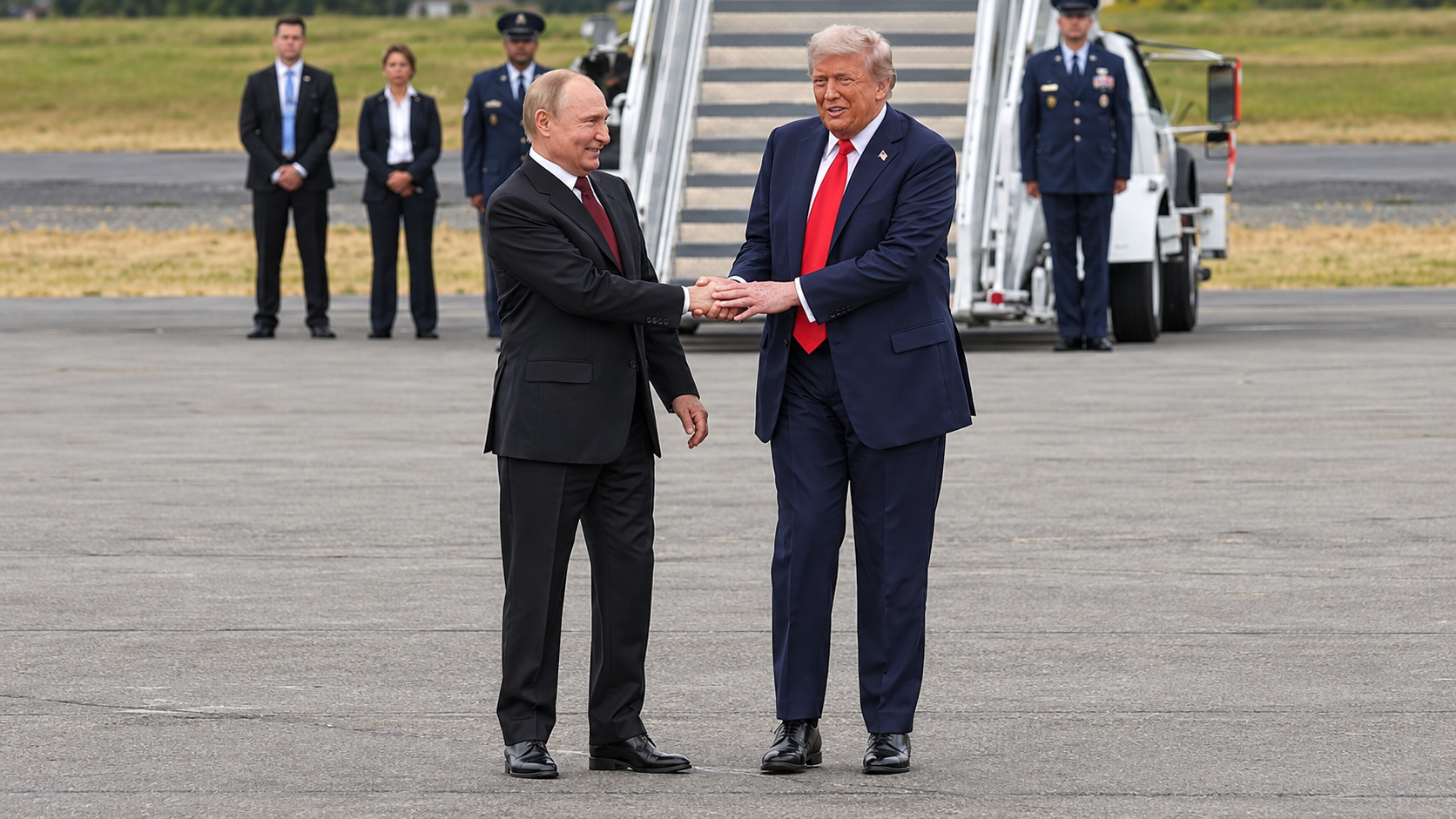
Manila: US President Donald Trump, Chinese President Xi Jinping and Russian President Vladimir Putin could hold talks on nuclear arms control and regional conflicts during a series of summits in Asia next week, as governments prepare to address trade disputes, artificial intelligence and maritime security.
The meetings begin with the Association of Southeast Asian Nations (ASEAN) summit in Manila on November 15, followed by the Asia Pacific Economic Cooperation (APEC) leaders' meeting in Shenzhen, China, on November 18 and 19.
Trump, Canadian Prime Minister Mark Carney and Indian Prime Minister Narendra Modi are among the leaders expected to attend meetings in Manila, while Putin is expected to participate in APEC. French President Emmanuel Macron will also travel to Cambodia for a Francophonie summit in Phnom Penh.
Trump Xi Putin meeting under discussion
Attention is centred on a proposed meeting between Trump, Xi and Putin on the sidelines of APEC, where nuclear disarmament, the wars in Ukraine and Iran, and relations between the three powers could feature in discussions.
Trump said earlier this week that he expected to meet the Chinese and Russian presidents and wanted to discuss reducing nuclear weapons and ending the conflict involving Iran. Russia has expressed interest in discussing the war in Ukraine, while China has confirmed that consultations are taking place over a possible meeting.
However, no agreement on the proposed three way talks or their agenda has been announced. Analysts caution that differences between Washington, Beijing and Moscow could limit the outcome of any meeting.
Ryan Hass of the Brookings Institution told Agence France Presse (AFP) that the three leaders might agree on principles concerning arms control without committing to subsequent measures. The possible meeting comes as the US and Russia remain divided over Ukraine, while Washington and Beijing continue to disagree over trade, technology and security.
Artificial intelligence (AI) is expected to feature in APEC discussions following an agreement between Trump and Xi in September to establish a communication channel for incidents involving the technology.
The two countries remain competitors in semiconductor production and AI development, with US export restrictions limiting China's access to certain processors. However, concerns about the use of AI in cyberattacks, infrastructure security and biological threats have increased calls for cooperation.
Trade negotiations are also expected to draw attention as a temporary pause in the US-China tariff dispute approaches its January 10 expiry. The two countries continue to disagree over Chinese rare earth exports and American restrictions on technology transfers.
Other APEC members are seeking greater certainty over tariffs and market access, although analysts expect limited changes to Washington's trade policy during the meetings.
South China Sea dispute challenges ASEAN
In Manila, negotiations over a proposed South China Sea Code of Conduct are expected to remain a source of disagreement between China and Southeast Asian countries.
The Philippines, which chairs ASEAN this year, has sought progress on rules governing conduct in the disputed waters. However, confrontations involving Chinese and Philippine vessels, along with disagreements over territorial claims, have complicated efforts to reach an agreement.
A Southeast Asian diplomat involved in summit preparations told AFP that an agreement was unlikely during the Manila gathering.
China claims much of the South China Sea, while the Philippines, Vietnam, Malaysia, Brunei and Taiwan maintain overlapping maritime claims. The dispute has implications for regional security and international trade because the waterway connects economies across East and Southeast Asia.
The summit will also address economic cooperation, regional security and the situation in Myanmar, where political conflict continues to challenge ASEAN's diplomatic efforts. The meetings come amid trade tensions, conflicts in the Middle East and Ukraine, and competition over emerging technologies.
While the gatherings offer opportunities for direct negotiations, progress will depend on whether governments can move beyond statements of cooperation towards agreements on trade, security and technological governance.
The proposed Trump Xi Putin meeting remains the central diplomatic question, with its confirmation and agenda yet to be finalised.