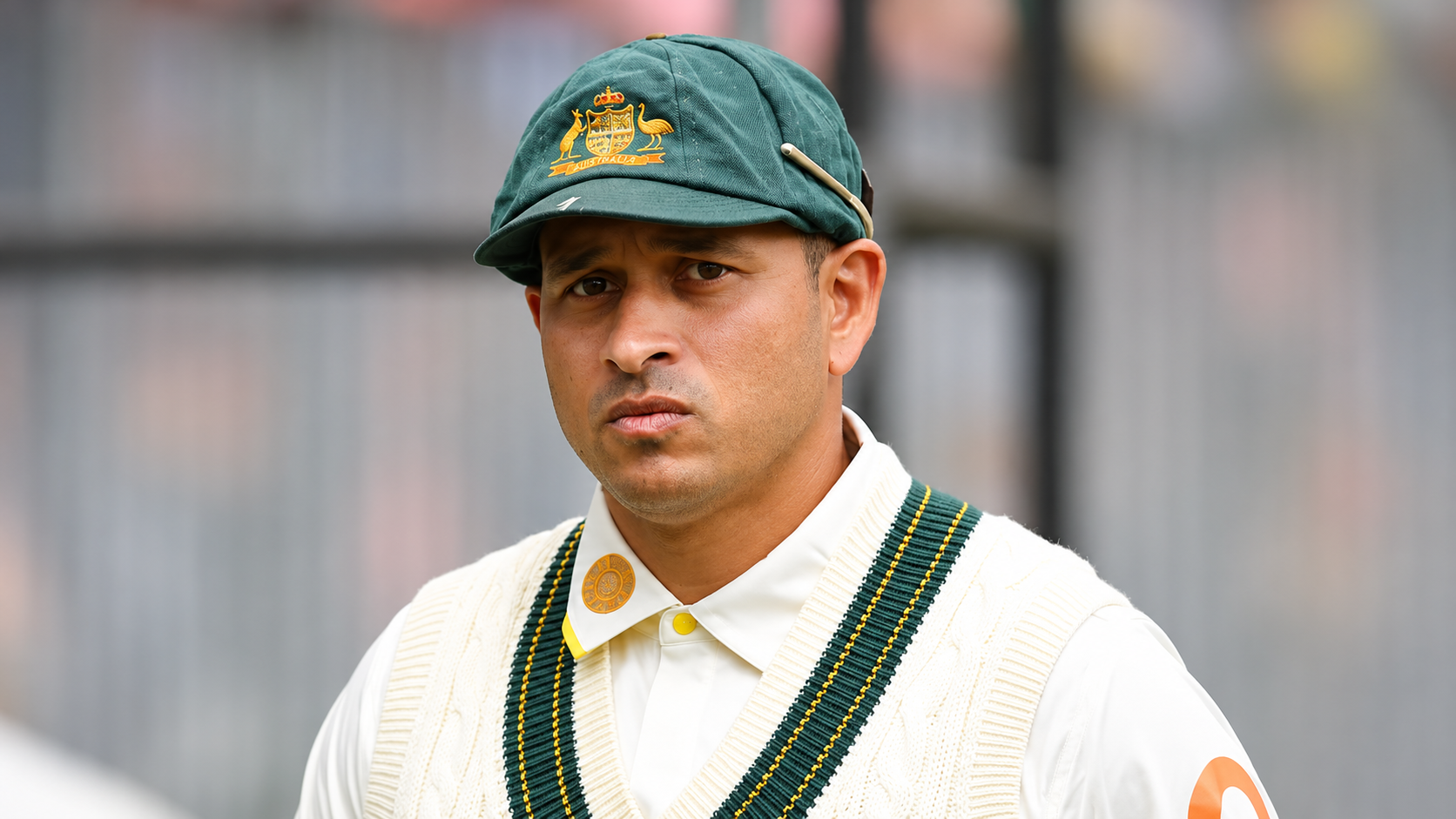
Sydney: Former Australian Test cricketer Usman Khawaja has challenged the official account of the 2018 ball tampering scandal, claiming in his autobiography Sabr that the Australian team knew about the use of sandpaper during the Test series against South Africa.
The revelations have renewed scrutiny of Cricket Australia's investigation, which held Steve Smith, David Warner and Cameron Bancroft responsible for the incident that became known as Sandpapergate.
In the memoir, Khawaja acknowledges that he knew about the sandpaper being used to alter the condition of the ball, directly challenging the account that knowledge of the plan was confined to the three sanctioned players.
“We did it as a team,” he writes, suggesting that responsibility extended beyond those who received suspensions. The scandal erupted during the third Test against South Africa in Cape Town in March 2018, when television cameras captured Bancroft attempting to alter the ball using sandpaper.
Cricket Australia subsequently suspended then captain Smith and vice captain Warner for 12 months, while Bancroft received a nine month ban. Warner was also barred from holding a leadership position in Australian cricket under sanctions imposed at the time.
The investigation concluded that the three players were responsible, while other members of the team were not found to have participated in the plan. Khawaja's account raises questions about the extent of knowledge within the dressing room and whether the original investigation adequately established the involvement of other players.
In Sabr, which takes its title from the Arabic and Urdu word for patience, Khawaja says he considered speaking publicly about the incident in 2018 but was discouraged by then captain Smith and head coach Darren Lehmann. According to Khawaja, Smith told him that he did not want other players drawn into the controversy.
Lehmann also advised against making further disclosures, warning that doing so could worsen the situation for the team. Khawaja says he chose not to challenge the official account at the time, despite believing that responsibility for the incident was more widely shared.
His decision to disclose the information eight years later has prompted questions about why he remained silent during his international career. The former opener maintains that the revelations are intended to address accountability rather than assign blame to individual teammates.
He has also rejected suggestions that he included the allegations to promote his autobiography, saying the scandal was not part of the original publishing agreement signed in 2023.
Khawaja alleges sandpaper was used before Cape Town
The memoir also alleges that Australia used sandpaper during the second Test in Port Elizabeth, before Bancroft was caught during the following match in Cape Town. Khawaja describes discussions about altering the ball to generate reverse swing, a bowling technique in which the ball moves through the air in a way that can make batting more difficult.
He claims the practice was discussed within the team and that players observed its effect on the condition of the ball. The former opener also recounts a conversation in which a member of the coaching staff allegedly encouraged Bancroft to continue the practice during the Cape Town Test.
These allegations go beyond the findings of the 2018 investigation and have not been independently established.
Warner backs claims as other players dispute account
Former Australian vice captain David Warner has supported Khawaja's version of events, describing his account as accurate. However, members of Australia's bowling group have previously denied knowing about the sandpaper plan.
Fast bowlers Pat Cummins, Mitchell Starc and Josh Hazlewood, alongside spinner Nathan Lyon, issued a statement in 2021 rejecting suggestions that they had prior knowledge of the ball tampering scheme.
Former Australian head coach Darren Lehmann has also disputed parts of Khawaja's account, saying he did not know about the use of sandpaper and questioning whether the entire team could have been aware.
Australian Test captain Cummins said on Thursday that he would address the allegations after taking time to review Khawaja's claims. He is scheduled to speak to journalists on Friday at Cricket New South Wales headquarters in Sydney.
Cricket Australia has declined to reopen its investigation, maintaining that the original disciplinary process addressed the incident. The governing body's position has drawn attention to whether the investigation adequately examined knowledge of the practice beyond the three players who received suspensions.
Revelations renew debate over accountability
Khawaja's disclosures have also drawn criticism from former Indian batter Aakash Chopra, who questioned the timing of the allegations. Chopra suggested the former Australian opener was revisiting the controversy to promote his autobiography, arguing that he could have spoken publicly about the incident after retirement without linking his claims to a book.
Khawaja has rejected suggestions that book sales motivated his decision, maintaining that he wanted to present his account of events. His memoir, released on November 10 by Penguin, also examines his experiences growing up in Australia, his cricket career and the discrimination he says he encountered.
The book's title, Sabr, means patience in Arabic and Urdu, reflecting a theme Khawaja associates with his personal and professional life. The renewed controversy has raised questions about the responsibility of players who were aware of misconduct but did not disclose it during an investigation.
While Khawaja's account suggests broader knowledge of the sandpaper scheme, it does not establish that every member of the Australian team participated in altering the ball. The differing accounts leave questions about what individual players and coaching staff knew during the 2018 series.
With Cummins preparing to respond and Cricket Australia standing by its original findings, Khawaja's memoir has reopened a dispute over accountability that remained unresolved for some players despite the sanctions imposed eight years ago.