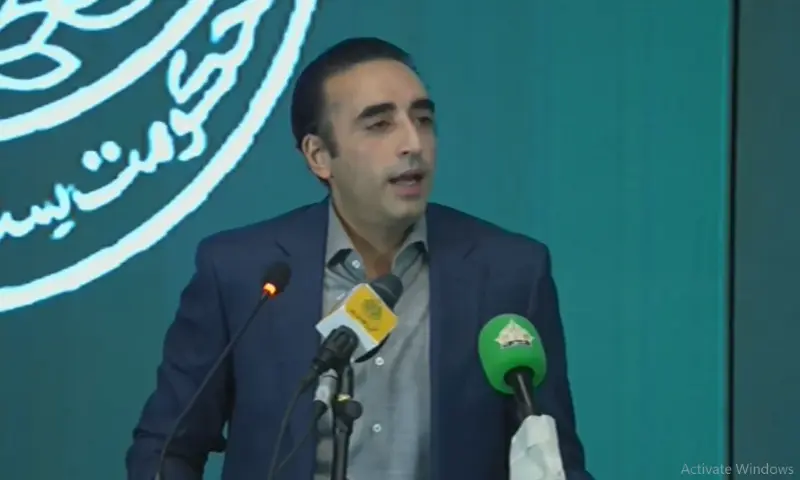
Karachi: Pakistan Peoples Party (PPP) Chairman Bilawal Bhutto Zardari on Monday called for a democratic reset in Pakistan to restore the authority of parliament and public confidence in the judiciary and electoral system, saying political reforms were necessary to rebuild trust among young people.
Addressing the launch ceremony of the Sindh Youth Card at the Chief Minister's House in Karachi, Bilawal said changes to the country's governance system should be pursued through democratic institutions and public participation.
He argued that any attempt to restructure the political system must preserve the public's role in decision-making rather than weaken elected institutions. "To restore the trust of Pakistan's youth, if any reset is to take place, it must be a democratic reset," Bilawal said.
He maintained that restoring parliamentary authority and confidence in judicial and electoral institutions should form the basis of any proposed reforms. His remarks come amid a debate within the governing coalition over creating new provinces and holding a referendum to seek public support for administrative restructuring.
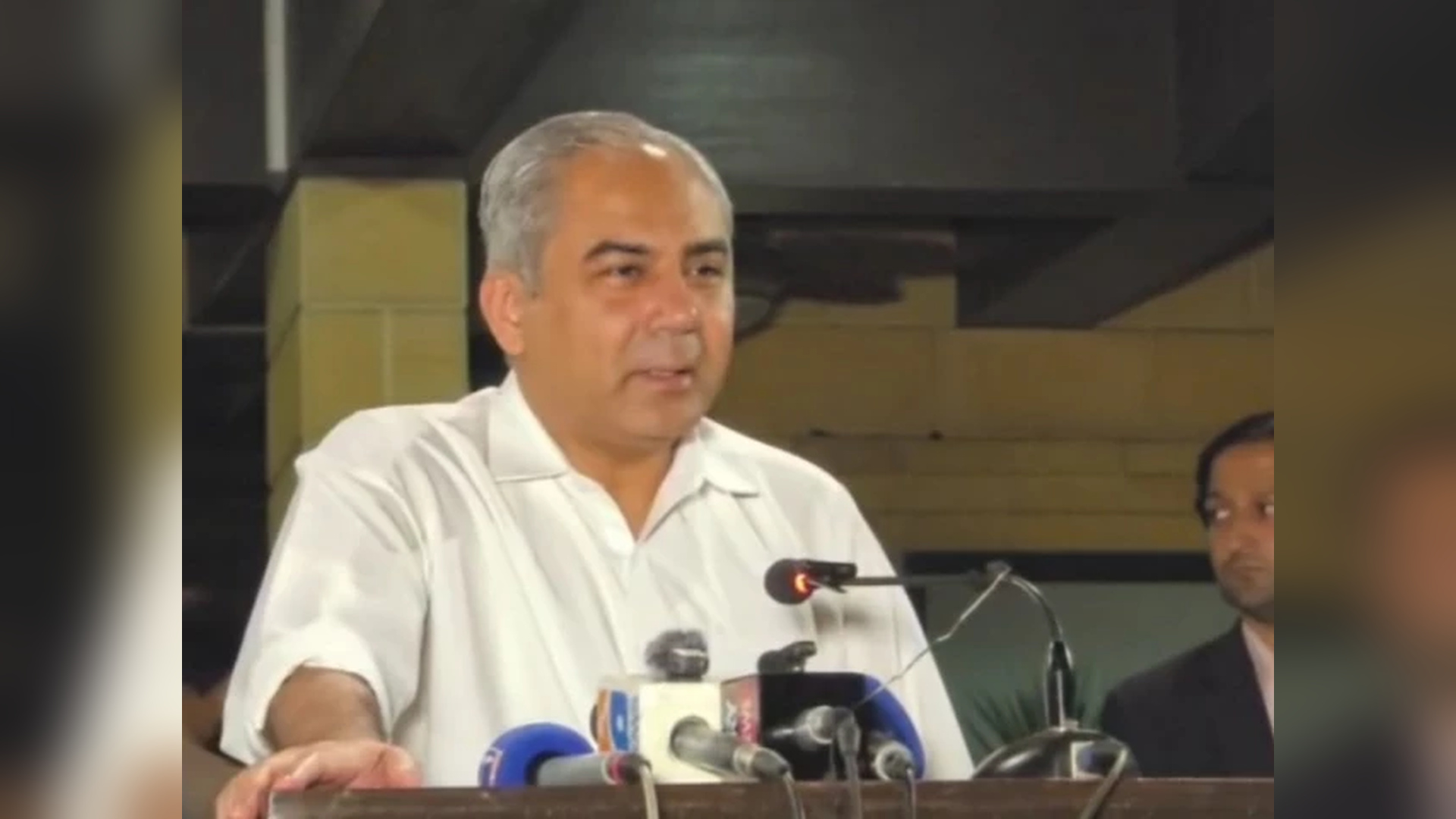
The issue gained attention after Interior Minister Mohsin Naqvi called for changes to Pakistan's governance model, arguing that the existing administrative structure had failed to deliver public services.
Federal ministers have since discussed the possibility of creating provinces through constitutional reforms, while the PPP has expressed reservations about proposals that could alter provincial boundaries without consent.
Bilawal has opposed attempts to divide Sindh and argued that constitutional procedures must be followed before any changes to the country's administrative structure are considered. Speaking at the Karachi Press Club on November 17, Bilawal had also called for political dialogue involving the government, its allies and opposition parties.
He said restoring confidence in parliament required addressing disputes over elections, political representation and the treatment of opposition parties. The PPP chairman called for an end to political victimisation and argued that democratic institutions could not function without the participation of opposition lawmakers.
His remarks followed disagreements over the 2024 general elections, the allocation of reserved seats and the credibility of electoral institutions. Bilawal has maintained that political parties should address these issues through consultation rather than confrontation.
Monday's speech placed the debate in the context of young people's participation in Pakistan's political and economic life. The occasion marked the launch of the Sindh Youth Card, a provincial government programme intended to improve access to education, skills training, employment and entrepreneurship opportunities.
According to the Sindh government's plans announced before the launch, the programme will initially target 100,000 young people aged between 16 and 29 across the province's 30 districts.
The government also planned to introduce an online registration process to allow eligible applicants to seek access to the programme's benefits. Sindh Minister for Sports and Youth Affairs Sardar Muhammad Bux Khan Mahar had previously said the card would provide a platform connecting young people with opportunities in education, training and employment.
The programme forms part of the provincial government's efforts to address barriers faced by young people seeking to enter the workforce or develop businesses. However, the scale of its impact will depend on the number of beneficiaries enrolled, the services delivered and the resources allocated to implementing the scheme.
Bilawal's comments connected the programme's objectives with the broader question of public confidence in government institutions.
His argument was that providing opportunities to young people should be accompanied by political reforms that allow citizens to influence decisions affecting their future.
The PPP remains a partner in the federal governing arrangement led by the Pakistan Muslim League Nawaz (PML N), although differences have emerged between the parties over administrative restructuring and constitutional reform.
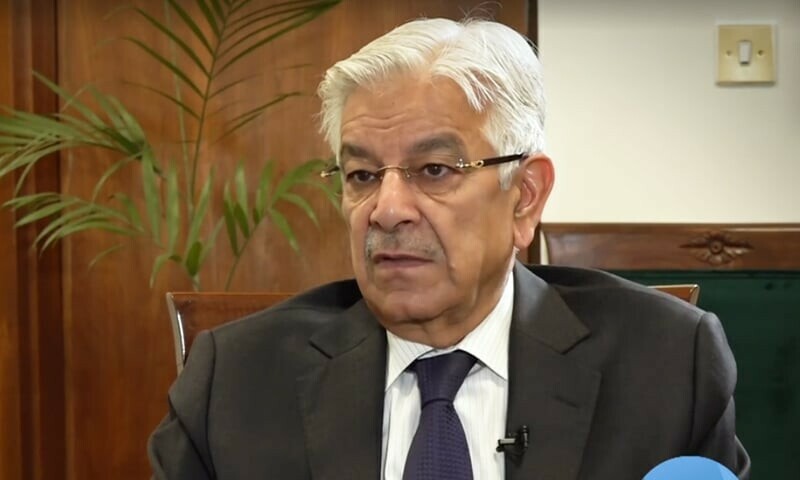
Defence Minister Khawaja Asif said on Sunday that discussions about a possible referendum on creating provinces could take shape before the end of December, but he did not announce a date or confirm that an agreement had been reached.
The PPP has maintained that any proposal affecting provincial boundaries must comply with the Constitution. Under Article 239(4), changing a province's boundaries requires approval by a two-thirds majority of the assembly of the province concerned, in addition to the parliamentary amendment process.
Bilawal's call for a democratic reset therefore reflects a different emphasis from proposals centred on creating administrative units. While supporters of restructuring argue that smaller provinces could improve governance, the PPP chairman has placed parliamentary authority, electoral credibility and political consensus at the centre of his proposed reforms.
No agreement has been announced on how such a reset would be implemented or which electoral and institutional reforms the government would pursue.
For now, Bilawal's remarks add to the debate over whether Pakistan's governance problems should be addressed primarily through changes to administrative boundaries or through reforms to the institutions responsible for representation, accountability and public services.