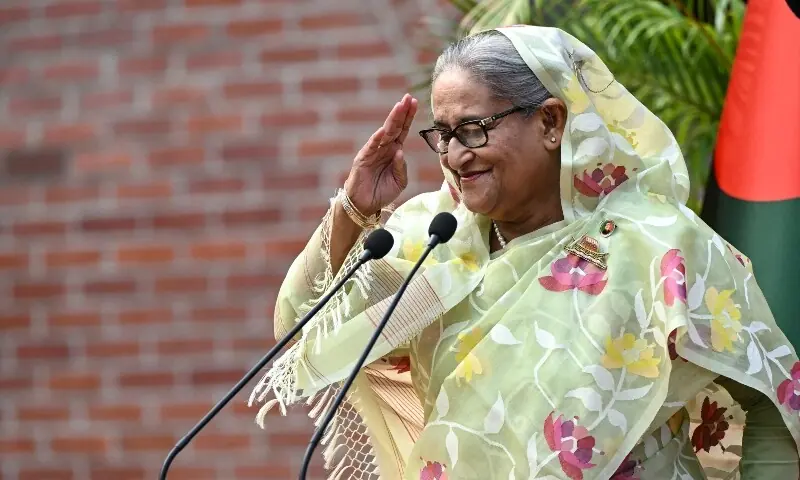
Dhaka: Bangladesh has warned that former prime minister Sheikh Hasina will be arrested and imprisoned if she returns from India in December, as the government seeks her extradition and authorities report incidents of violence linked to political tensions over her planned return.
State Minister for Foreign Affairs Shama Obaed Islam told Reuters in an interview on Sunday that Dhaka expected India to honour the extradition treaty between the two countries and hand over Hasina, who has been living in New Delhi since fleeing Bangladesh in August 2024.
The minister said Hasina would be taken into custody upon entering Bangladesh and dealt with under the country's laws. The warning comes after Hasina announced plans to return home in December, despite facing a death sentence imposed by a Bangladeshi tribunal.
Hasina was sentenced to death in absentia in November 2025 after being convicted of crimes against humanity over the crackdown on protests that ended her government. The former prime minister has rejected the proceedings against her and maintains that the charges are politically motivated.
She fled Bangladesh on August 5, 2024, following weeks of student-led protests that developed into a movement demanding her resignation. The United Nations has estimated that as many as 1,400 people were killed during the unrest.
Her Awami League party was subsequently banned, leaving its supporters without the ability to participate in politics through the party under the existing restrictions. The conviction and the ban have become points of dispute between Hasina's supporters and the authorities.
According to Obaed, Bangladesh has requested Hasina's extradition from India and expects New Delhi to fulfil its obligations under the treaty. India's foreign ministry did not immediately respond to Reuters' request for comment on the latest remarks.
In April, the ministry said it was examining Bangladesh's extradition request. Obaed also said there had been no official discussions about sending an aircraft to India to bring Hasina back.
Hasina has sought a passport and identity card ahead of her planned return, but Bangladeshi authorities have rejected those requests. The disagreement raises questions about how Hasina could travel to Bangladesh and whether India would agree to facilitate her transfer.
While Dhaka considers her a convicted person who must serve her sentence, the decision on extradition remains a matter involving the governments and legal procedures of both countries.
The treaty provides a framework for extradition requests but does not eliminate the need for India to consider the request under its applicable laws. The dispute has coincided with protests and incidents of violence across Bangladesh.
The Awami League announced a week of demonstrations in support of Hasina's return, culminating in a nationwide lockdown on November 19.
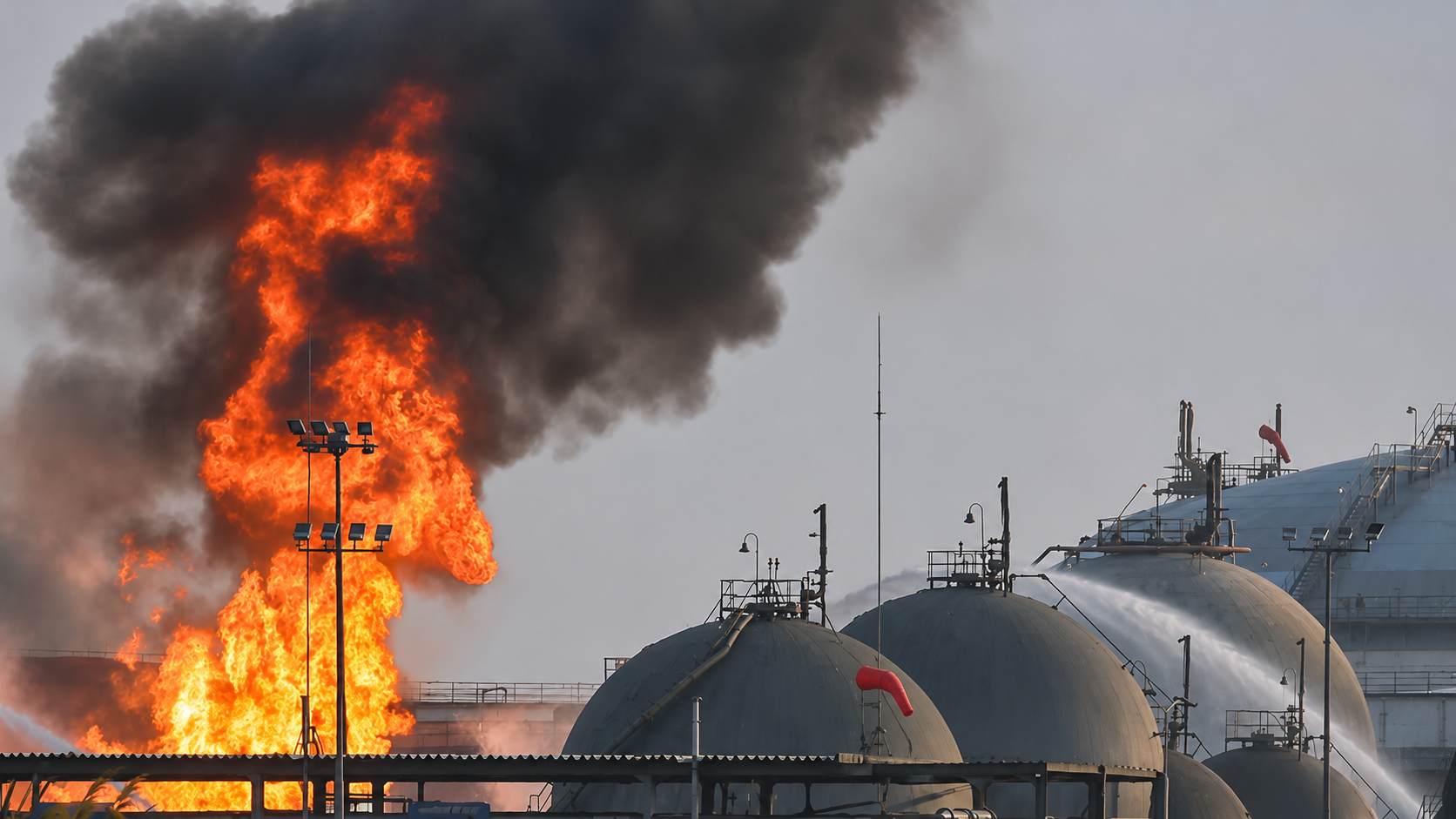
According to reports cited by Reuters, police recorded dozens of crude bomb explosions and incidents of arson targeting vehicles in at least 28 districts during the preceding 10 days.
Several police officers and civilians were injured.
Obaed accused Hasina's party of using violence to maintain its political position. However, Awami League official Khalid Mahmud Chowdhury rejected the government's account and accused the current political establishment of responsibility for the unrest.
The competing allegations have not established who was responsible for individual attacks. The incidents have raised concerns about public safety ahead of Hasina's proposed return and the possibility of further confrontation between her supporters and the authorities.
Despite the extradition dispute, Obaed said Bangladesh wanted to maintain relations with India based on respect for its sovereignty and national interests. India and Bangladesh share a border and have longstanding economic, security and diplomatic ties.
Hasina's presence in India has complicated those relations since her removal from office, particularly because her government maintained close cooperation with New Delhi.
For Dhaka, securing her return is linked to enforcing the tribunal's verdict. For India, the request involves legal obligations alongside its relationship with Bangladesh.
Neither government has announced an agreement on her transfer. The question of whether Hasina returns voluntarily or through extradition therefore remains unresolved. The interview also addressed Bangladesh's efforts to secure the return of Rohingya refugees to Myanmar following a ruling by the International Court of Justice (ICJ).
On November 19, the UN's principal judicial body ruled that Myanmar had committed genocide against the Rohingya during military operations in northern Rakhine State in 2017.
The court found that killings, sexual violence and other actions by Myanmar's security forces violated the Genocide Convention. Myanmar rejected the ruling and maintained that refugees could return when conditions permitted.
Obaed said the judgment strengthened Bangladesh's position in seeking the return of Rohingya refugees and called for international pressure on Myanmar to implement the decision. Approximately 1.2 million Rohingya refugees are living in Bangladesh, mostly in camps in Cox's Bazar.
Repatriation efforts have repeatedly failed because of concerns about security, citizenship and the conditions awaiting refugees in Myanmar. The situation has been complicated by Myanmar's civil war and the Arakan Army's control over much of Rakhine State, where most Rohingya previously lived.
Bangladesh has called on both Myanmar's authorities and the Arakan Army to create conditions that would allow refugees to return safely. The ICJ judgment establishes Myanmar's responsibility under international law, but implementing its findings and arranging returns will require further action.
For Bangladesh, the two issues present different diplomatic challenges: obtaining Hasina's extradition from India and securing conditions for Rohingya repatriation from Myanmar.
Both remain unresolved despite the government's attempts to increase pressure through legal and diplomatic channels.