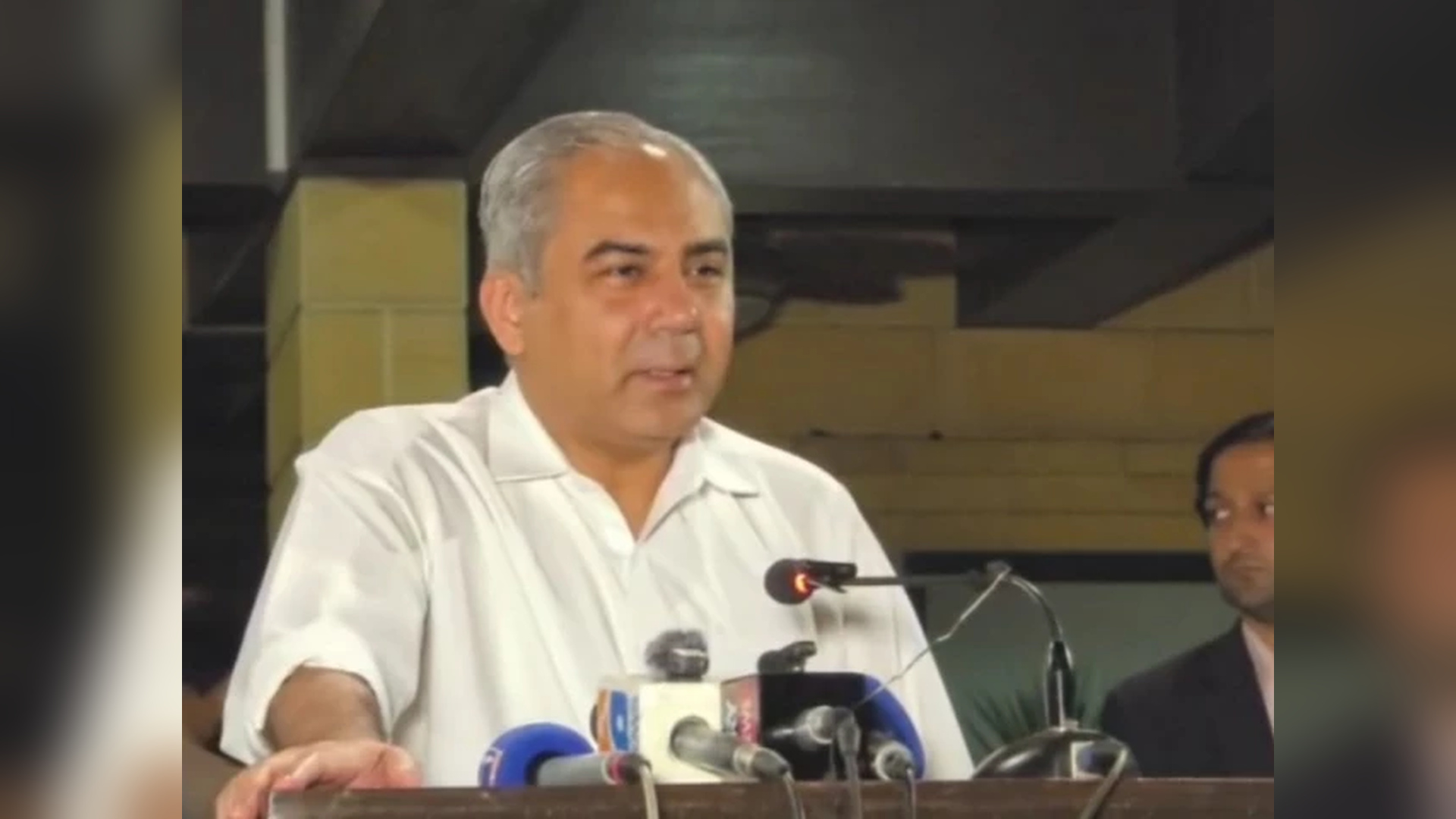
Lahore: Interior Minister Mohsin Naqvi has warned a fellow cabinet member against repeatedly criticising him, saying a response from him could leave the minister unable to face the public, as differences over proposals to create new provinces continue within the federal government.
Speaking informally to journalists in Lahore on Sunday, November 22, Naqvi said he had listened to the politician's remarks for two and a half years but had chosen not to respond.
“The day I comment on this minister, he will not be able to show his face,” Naqvi said, according to Geo News.
He did not identify the minister or specify which comments had prompted his warning, although his remarks followed criticism from Prime Minister's Adviser on Political Affairs Rana Sanaullah over the proposed restructuring of Pakistan's administrative system.
Naqvi accused the cabinet member of making remarks about him on television to attract attention.
He also defended business leaders who attended an economic forum where he had previously proposed changes to the country's governance structure. The interior minister said the businesspeople being criticised had served as presidents and office-bearers of the Federation of Pakistan Chambers of Commerce and Industry and chambers of commerce in different cities.
He described them as among Pakistan's highest taxpayers and questioned why political parties accepted donations from business figures during election campaigns if they considered them unsuitable participants in discussions about governance.
Naqvi claimed that parties collected billions of rupees from such businessmen in the name of election funding. He did not provide figures or identify the parties and individuals involved. The remarks came a day after Sanaullah criticised the manner in which proposals for creating provinces had been introduced into the political debate.
Speaking on Geo News programme Jirga on Saturday, Sanaullah said discussions about administrative restructuring had become complicated after Naqvi raised the issue at an economic forum attended by business leaders.
He questioned the political role of some participants, alleging that certain businessmen had approached successive governments and military leaders while presenting themselves as capable of resolving the country's problems.
Sanaullah clarified that he was not criticising the business community as a whole, acknowledging that many businesspeople contributed to Pakistan's economy.
He argued that proposals involving constitutional changes should be discussed through political and parliamentary institutions rather than being driven by public statements at economic gatherings. The disagreement dates back to July, when Naqvi addressed the Pakistan Economic Summit 2026 in Islamabad.
At the event, the interior minister argued that the existing governance system had failed to provide services and called for decentralisation, the creation of administrative units and changes intended to improve access to justice.
His proposals prompted responses from political parties, including members of the ruling Pakistan Muslim League Nawaz (PML N). Sanaullah questioned how Naqvi could criticise a system through which he had held positions in government over the previous three and a half years.
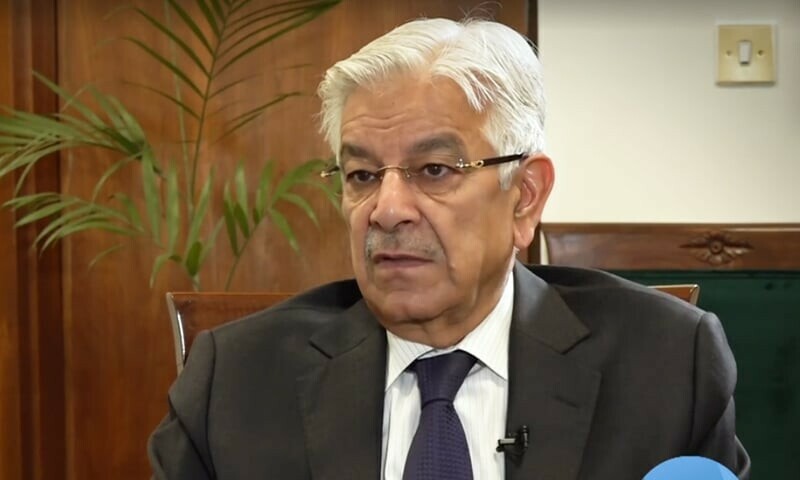
Defence Minister Khawaja Asif, however, expressed agreement with parts of Naqvi's assessment, while maintaining that parliament and the federal cabinet were the appropriate forums for discussing changes to the governance structure.
The debate also drew attention after Inter Services Public Relations Director General Lt Gen Ahmed Sharif Chaudhry said administrative restructuring could be considered if required to improve governance.
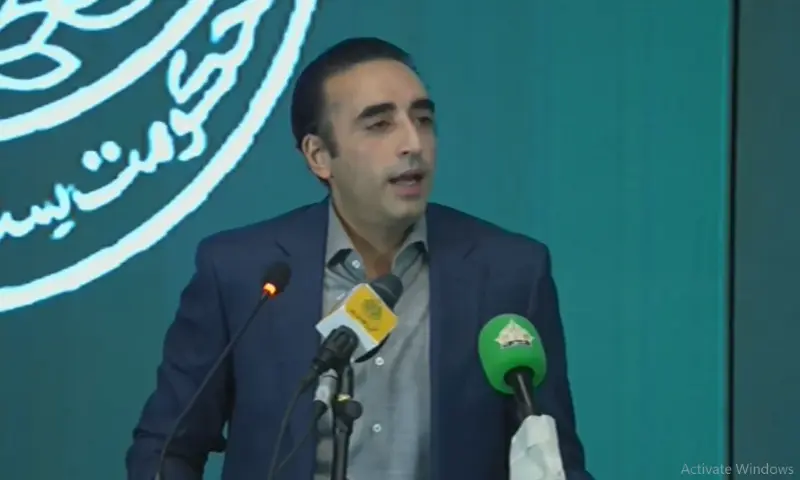
The proposed creation of provinces has since become a source of disagreement between political figures in the governing coalition. Pakistan Peoples Party Chairman Bilawal Bhutto Zardari has also called for a reset of the political system, although his position has not been identical to Naqvi's proposals.
On November 12, Naqvi said he and Bilawal were almost in agreement on the need for change, but distinguished between Bilawal's call for a political reset and his own proposal for changes to the overall governance system.
He maintained that no decision would be taken without consultation and agreement among the political parties concerned. Creating new provinces would require constitutional changes rather than an executive decision by the interior minister.
Under Article 239(4) of Pakistan's Constitution, an amendment altering the limits of a province must also receive the support of at least two-thirds of the members of the assembly of the province concerned.
That requirement makes agreement among political parties and provincial lawmakers central to any proposal to redraw provincial boundaries. Sanaullah has said the PML N has not finalised its position on creating provinces and that no formal proposal has been presented to parliament or the federal cabinet.
The latest exchange reflects differences over both the substance of administrative reform and the process through which it should be considered.
Neither Naqvi nor Sanaullah has announced a legislative proposal setting out the number, boundaries or governing arrangements of any new provinces. For now, the discussion remains a political dispute within the government, with no agreed plan for implementing the proposed changes.