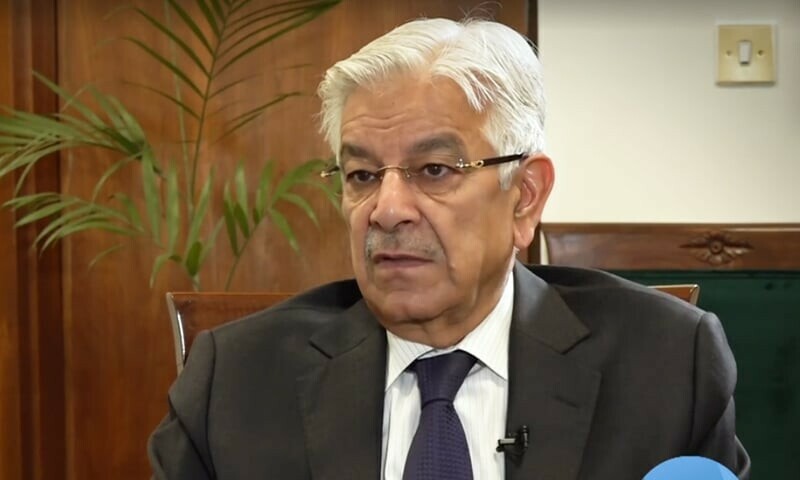
Islamabad: Defence Minister Khawaja Asif has said discussions on holding a referendum to create new provinces in Pakistan could reach a conclusion by the end of 2026, with the process potentially moving forward in early 2027.
Speaking on ARY News programme Sawal Yeh Hai on Sunday, November 22, Asif said consultations were under way among political stakeholders to develop a proposal for administrative restructuring.
He expressed confidence that the discussions would produce an outcome within weeks but declined to announce a date for a referendum or confirm whether the government had agreed on a plan.
The minister said the consultations could take a definite shape by the end of December, although the final outcome would depend on agreement among the parties involved. Asif said any proposal would be developed through consultations rather than a decision taken by one political party.
He explained that the government intended to prepare a document setting out the purpose and objectives of the proposed changes, with input from the stakeholders involved. Under the proposed arrangement, voters would be asked to respond to a question with either a yes or a no.
However, the wording of the question, the number of provinces under consideration and the boundaries of any administrative units have not been finalised. The defence minister acknowledged that some political parties had reservations about the proposal and said they were entitled to express their concerns.
He maintained that an agreement was possible if the parties worked towards a document acceptable to the participants. Asif also said the creation of provinces should be considered across Pakistan rather than focusing exclusively on the division of Sindh or Punjab.
The proposed referendum has become a point of disagreement between the Pakistan Muslim League Nawaz (PML N) and its coalition partner, the Pakistan Peoples Party (PPP).
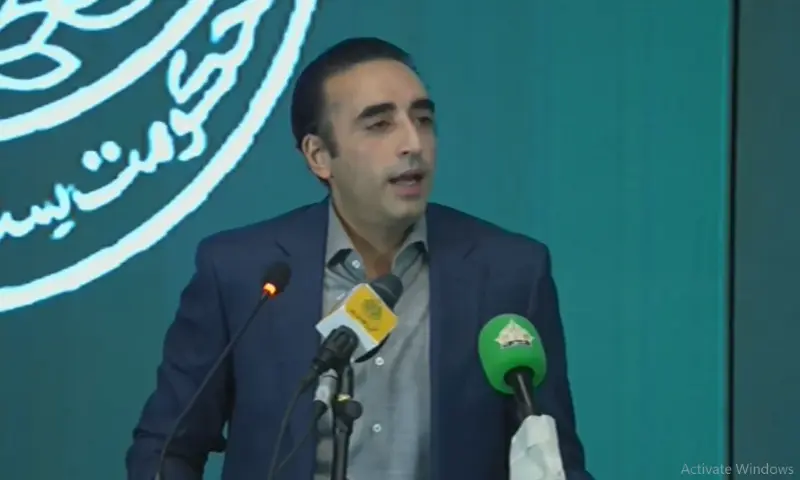
PPP Chairman Bilawal Bhutto Zardari opposed the creation of provinces through what he described as an unconstitutional process during a speech in Karachi on November 17. He warned against attempts to divide provinces without consent, particularly Sindh, and argued that governance problems required political reforms rather than changes to provincial boundaries alone.
The PPP has maintained that constitutional safeguards protecting provincial boundaries must be respected. On Sunday, PPP Senator Sherry Rehman said the proposal for a referendum had not been discussed at the party's senior leadership level.
She also argued that decisions taken by provincial assemblies could not be overridden through a referendum. Her remarks indicated that an agreement between the coalition partners had not yet been reached despite statements by federal ministers suggesting progress.
Minister for Parliamentary Affairs Tariq Fazal Chaudhry said on November 20 that a referendum would take place and that the PML N would attempt to secure the PPP's support. However, he did not provide a timetable or details of the mechanism the government intended to adopt.
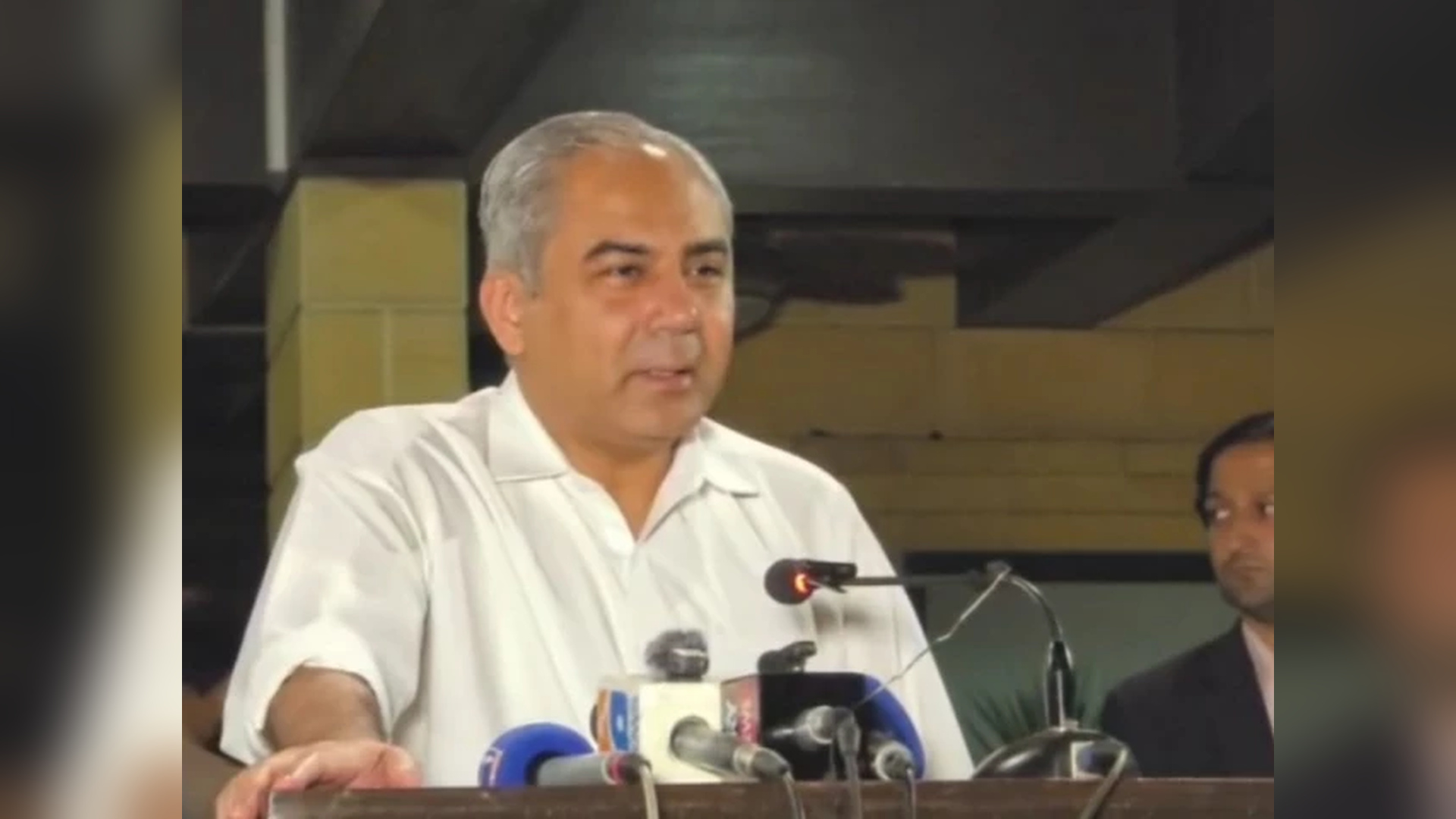
The debate has gained attention since Interior Minister Mohsin Naqvi proposed the creation of administrative units, arguing that Pakistan's governance system required restructuring to improve the delivery of public services.
On November 12, Naqvi suggested a referendum as a means of obtaining public opinion on the issue.
Asif has also supported reforms to local government, arguing that smaller administrative units could help bring decision making and public resources closer to citizens. The proposal faces constitutional requirements beyond securing political agreement.
Article 48(6) of Pakistan's Constitution allows the prime minister to refer a matter of national importance to a joint sitting of parliament. If approved, the matter may be put to a referendum through a question requiring a yes or no response.
However, a referendum does not itself amend the Constitution or authorise the alteration of provincial boundaries. Under Article 239, constitutional amendments require approval by a two thirds majority in both houses of parliament.
Article 239(4) further requires any amendment altering the boundaries of a province to receive the support of at least two thirds of the total membership of the assembly of the province concerned.
This means that even if a referendum produces support for new provinces, the government would still need to complete the constitutional amendment process.
The division of provinces has long been discussed in Pakistan, with supporters arguing that smaller administrative units could improve access to government services, development funding and representation.
Opponents have raised concerns about provincial identity, political representation, resource distribution and whether creating provinces would address weaknesses in existing institutions.
Asif referred to Pakistan's history of administrative restructuring, including the One Unit arrangement introduced in 1955 and its dissolution in 1970. He argued that administrative boundaries could be reconsidered to meet governance requirements, while acknowledging that any changes would need to follow constitutional procedures.
His latest remarks suggest that the government expects the debate to advance before the end of the year, but no referendum has been formally announced.
The absence of an agreed proposal, unresolved differences with the PPP and the requirement for parliamentary and provincial approval remain central questions. For now, the proposed referendum remains under discussion, with its timing, scope and constitutional implementation yet to be determined.