

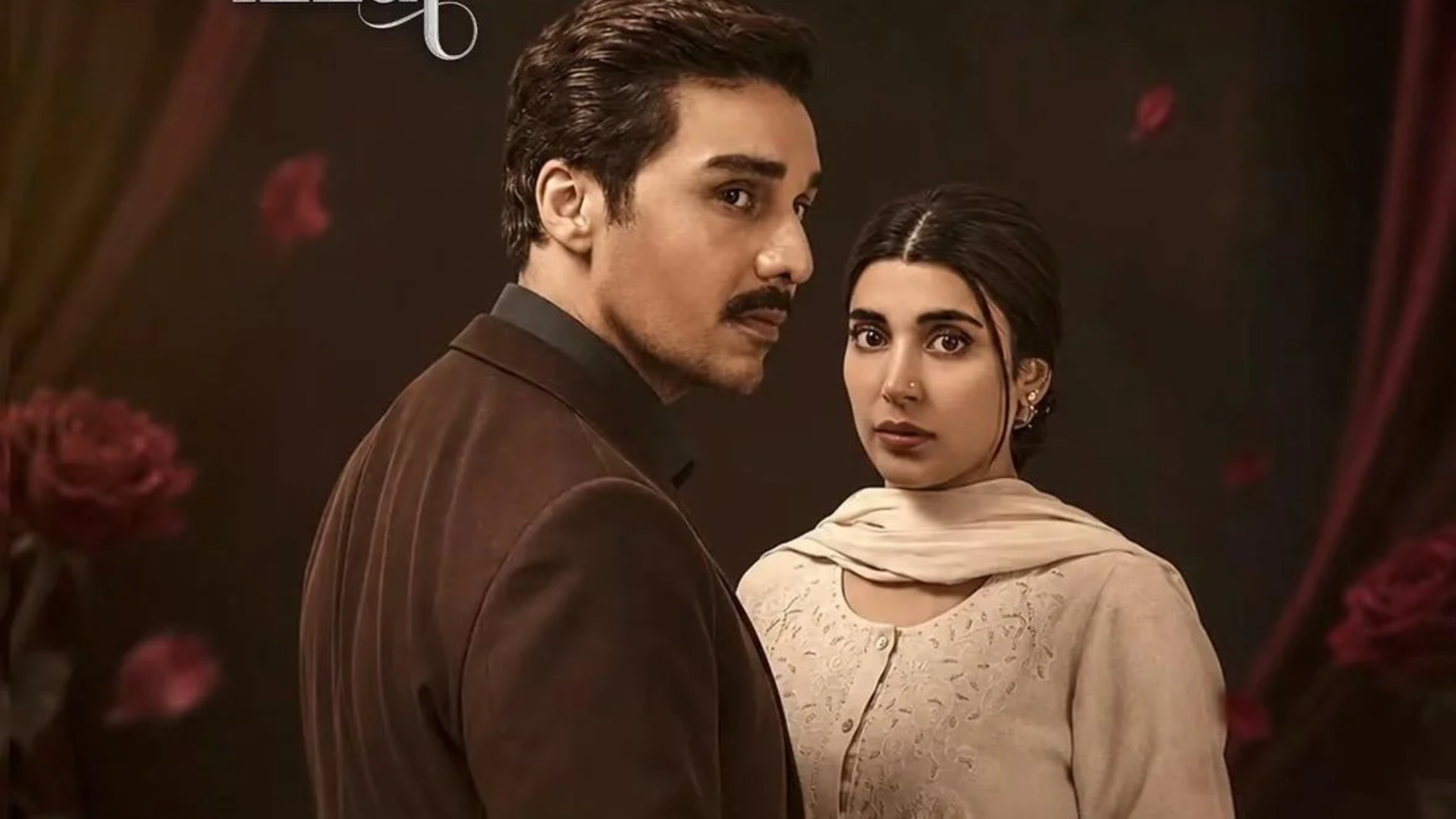
Karachi: After moving audiences to tears as Tabish in the emotional final episode of Aap Ki Izzat, Ahsan Khan took to social media on Sunday to reflect on the impact of the serial and express gratitude to his colleagues.
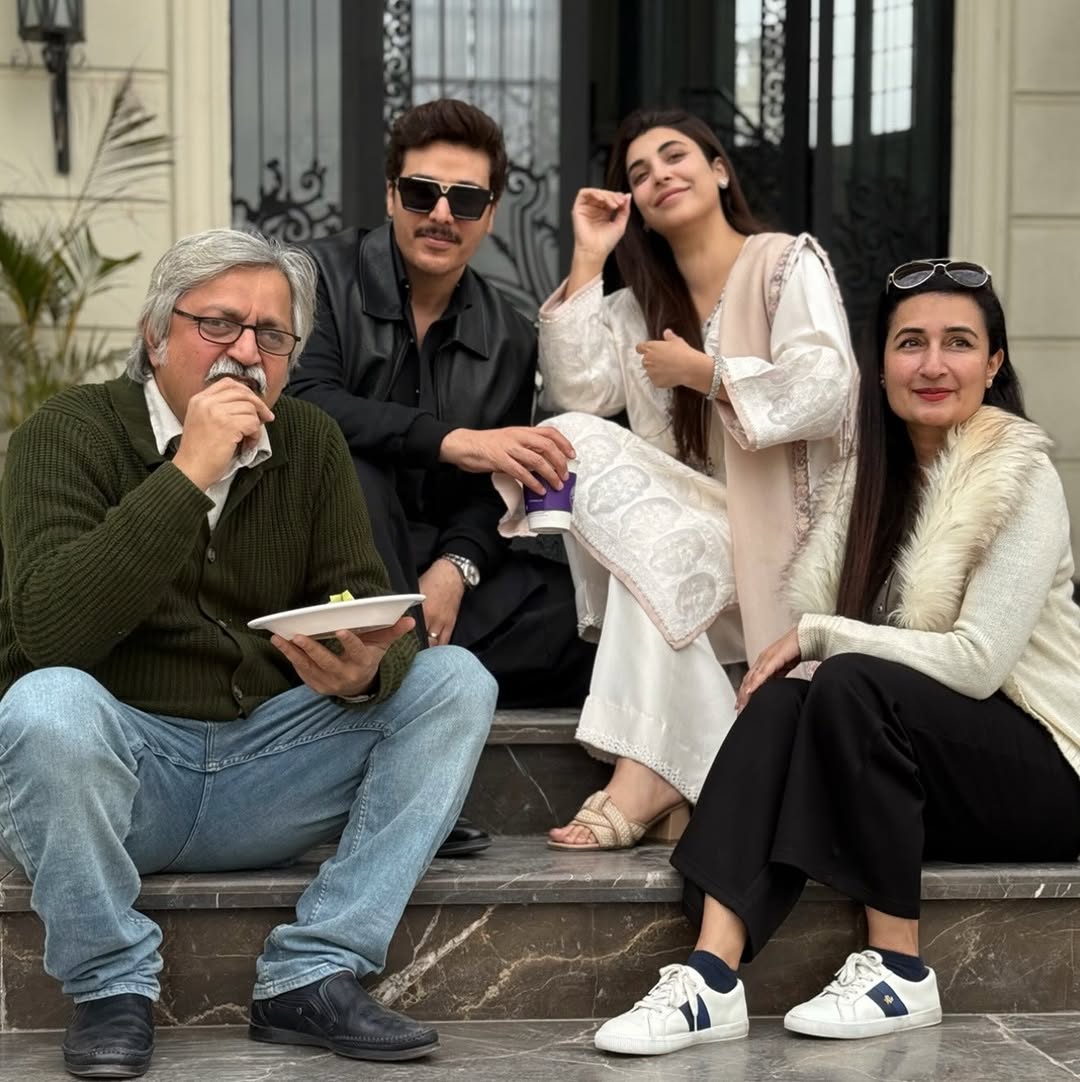
Writing on his Instagram account, the actor shared that the show was far more than a typical television project:
"This was not merely a drama for me, but represented a defining journey in my career a chapter that challenged me, inspired me, and ultimately became a new beginning."
Khan extended special appreciation to producers Momina Duraid and Nina Kashif for bringing the narrative to television screens, stating, "Our society needs stories that make us reflect and look within." He gave special mention to Kashif for her friendship and for entrusting him with the lead role.
Tributes to Cast, Director, and Crew
Khan spoke warmly of director Saife Hasan, describing him as "an asset, not just to the project, but to everyone fortunate enough to work alongside you."
He reserved his most detailed tribute for his co lead, Urwa Hocane, praising her as a "supremely talented, exceptional actor, a beautiful human being, and a truly cherished friend." Khan noted:
"I could not have done what I did without you beside me. Your presence as my co actor brought out the best in me and allowed Tabish to truly shine."
Khan also shared a light-hearted note for veteran actress Sania Saeed for "finally becoming my mother on screen instead of my heroine," while commending the rest of the ensemble cast and the tireless production crew who formed the backbone of every performance. He praised writer Umera Ahmed, stating her words gave the story its true soul.
Beyond its commercial success, Aap Ki Izzat stood out for its nuanced execution and socio cultural resonance. Driven by Khan's praise worthy lead performance, brilliant screenwriting, and impactful dialogue, the serial started a necessary national conversation regarding the treatment and dignity of women in marriages.
The drama laid bare the broader level of societal ignorance toward women's emotional well being, demonstrating how casual neglect and deep seated biases erode marital bonds. Projects of this calibre highlight how crucial it is to foster healthy marriages built on mutual respect, empathy, and underlying human value.