

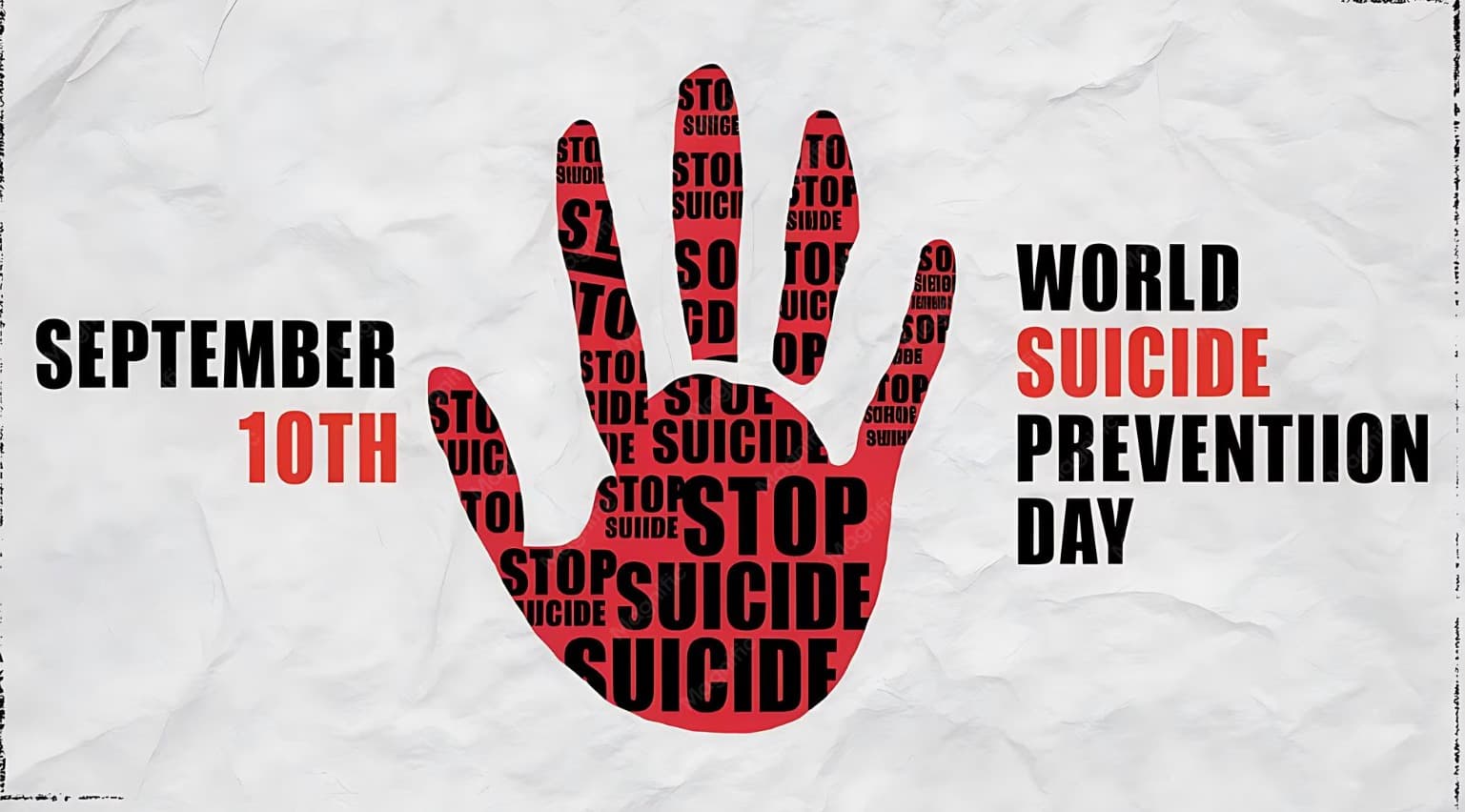
Islamabad: Sometimes the most important conversation is the one people are most afraid to have. World Suicide Prevention Day is being observed on September 10, with a call to change the way suicide is discussed, as the World Health Organisation (WHO) urges societies to move from silence and stigma towards openness, understanding and support.
This year marks the final year of the 2024 to 2026 campaign, “Changing the narrative on suicide”, with the call to action, “Start the conversation.”
More than 720,000 people die by suicide globally each year, according to the WHO. Its latest estimates show that suicide was the third leading cause of death among people aged 15 to 29 in 2021, while 73 per cent of recorded suicides occurred in low and middle income countries.
The WHO says suicide is influenced by multiple factors rather than a single cause. These can include social isolation, loss, discrimination, relationship difficulties, financial problems, chronic pain, illness, violence and other experiences that can contribute to a crisis.
That complexity is one reason prevention cannot depend solely on responding when someone reaches a crisis point. The WHO recommends measures including limiting access to highly lethal means, responsible media reporting, strengthening life skills among young people and ensuring people affected by suicide and self harm can be identified and supported.
The organisation also stresses that suicide is preventable and that timely emotional support can make a difference. For every person who dies by suicide, there are estimated to be more than 20 others who attempt suicide, although the ratio varies considerably between countries and groups.
The message of this year's campaign therefore extends beyond a single day of awareness. Changing the narrative means making it easier for people to speak about distress without shame and for communities, institutions and governments to treat suicide prevention as an ongoing public health responsibility.
The conversation may begin with a simple question, but prevention requires something larger: a society willing to listen to the answer.