
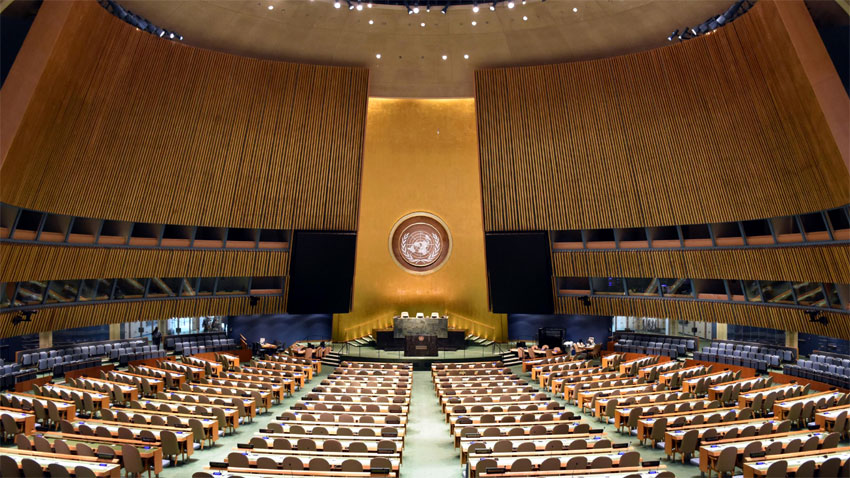
New York: The General Debate of the 81st session of the United Nations General Assembly (UNGA) began on 22 September and will continue until 26 September before concluding on 28 September.
The General Assembly brings together all 193 United Nations (UN) member states. Unlike the Security Council, where five permanent members possess veto power, every country in the General Assembly has one vote.
This year’s theme is “Restoring Trust, Managing Transformation: A United Nations that Delivers for All.” It reflects growing concern that international institutions are struggling to respond effectively to wars, humanitarian emergencies, economic inequality and climate change.
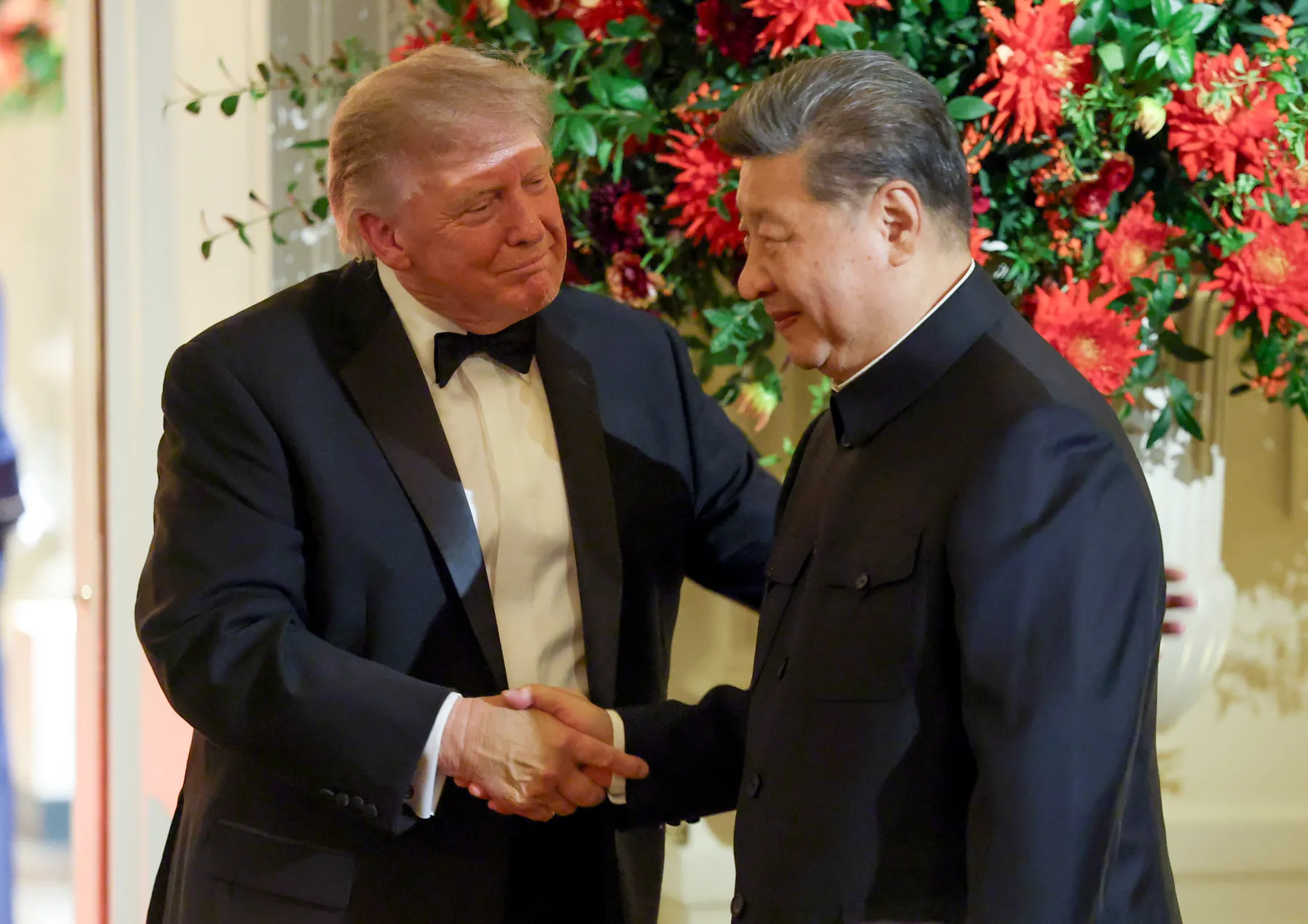
During the General Debate, heads of state and government present their countries’ positions on major international issues. UN Secretary General António Guterres, United States (US) President Donald Trump and Türkiye’s President Recep Tayyip Erdoğan are among the prominent figures addressing the opening proceedings.
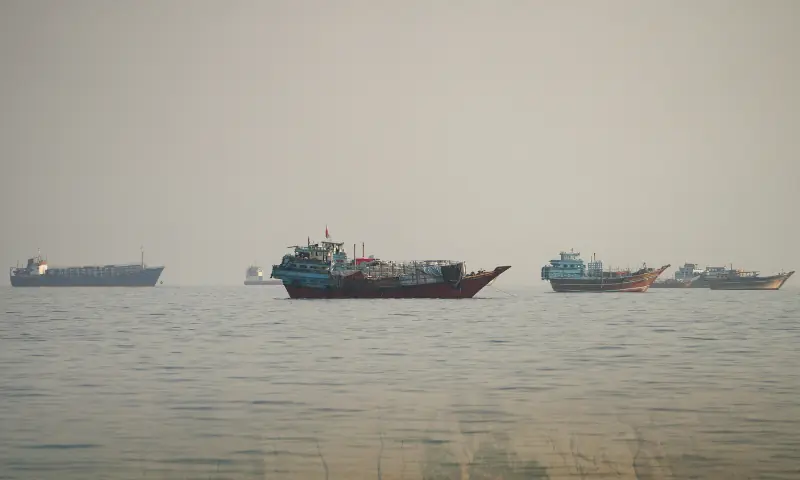
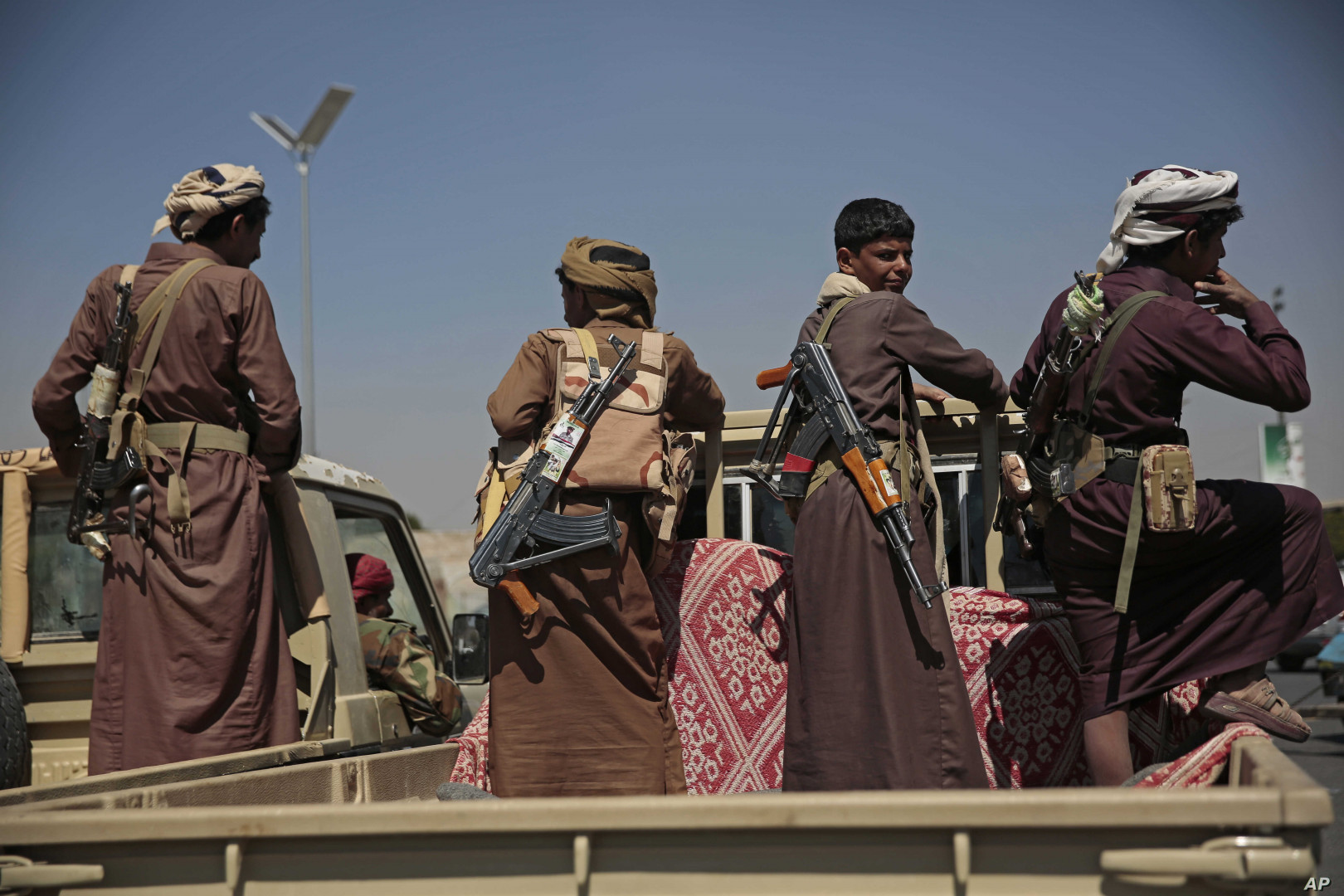
Armed conflicts are expected to dominate the agenda. Developments in Gaza, the Occupied West Bank, Iran, Yemen, Ukraine and the Red Sea have raised concerns about civilian protection, energy security, disrupted trade routes and the application of international law.
Developing countries are also expected to focus on debt, food security, climate finance, technology access and reform of the global financial system. Another important issue will be reform of the United Nations, particularly demands for a more representative Security Council.
Prime Minister Shehbaz Sharif is leading Pakistan’s participation. Pakistan is expected to highlight Palestine, regional peace, climate vulnerability, economic cooperation and the challenges facing developing countries. Its delegation is also holding bilateral and group meetings on the sidelines.
The General Assembly cannot enforce most of its resolutions, and its decisions are generally not legally binding. Its importance lies in building international support, establishing diplomatic positions and creating opportunities for direct negotiations.
The formal speeches attract attention, but some of the most consequential diplomacy often takes place outside the main hall. Bilateral meetings, group consultations and private negotiations can produce agreements that prepared statements do not.
UNGA 81 will therefore be judged not simply by what leaders say, but by whether their promises lead to cooperation after they leave New York.