

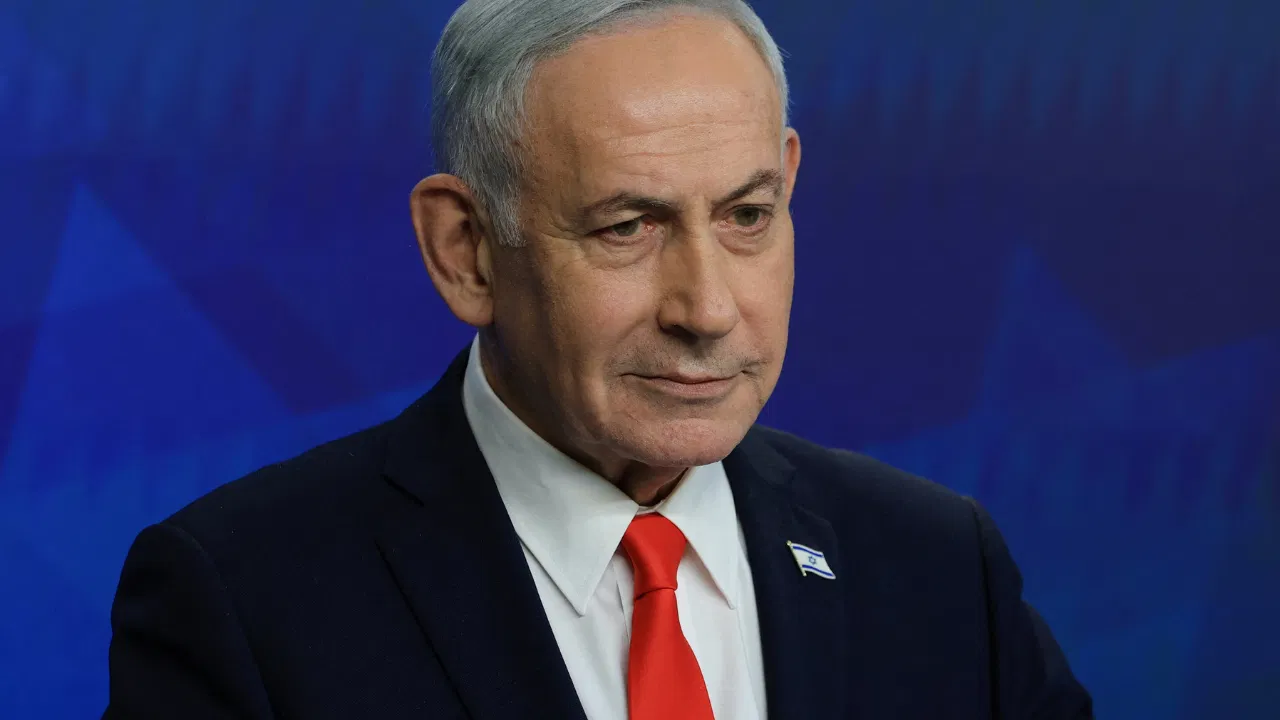
Webdesk: Israeli Prime Minister (PM) Benjamin Netanyahu is facing renewed questions over what he knew before the Hamas led October 7, 2023 attack, following a report that he was personally warned about a planned major operation days before the assault.
According to an investigation by Israeli newspaper Haaretz, published this week and based on interviews with senior sources and other material, United Arab Emirates (UAE) President Mohamed bin Zayed warned Netanyahu about Hamas leader Yahya Sinwar’s plans during a phone call around 10 days before the attack.
The report says the conversation lasted about 45 minutes and that Netanyahu was told the planned operation could be large enough to destabilise the region.
The report further alleges that Netanyahu did not pass the warning to Israel’s senior security officials and instead remained relatively unconcerned. It says the PM focused more heavily on the threat from the occupied West Bank.
Netanyahu’s office has rejected the allegation. It says no such conversation with the Emirati president took place and has described the report as false. The UAE has not publicly confirmed the alleged conversation.
The latest allegation is significant because it comes on top of evidence that Israeli security agencies had received other warnings about Hamas well before the attack.
A New York Times investigation published in 2023 reported that Israeli intelligence had obtained a detailed Hamas battle plan more than a year before October 7.
The document reportedly described an assault involving rockets, drones, breaches of the Gaza border and the capture of Israeli communities and military positions. Israeli officials assessed the plan as unrealistic and did not believe Hamas had the capability or intention to carry it out.
Israel’s own subsequent military investigations also identified major failures in assessing Hamas. Reports found that intelligence agencies had information about Hamas preparations but repeatedly interpreted unusual activity through the assumption that Hamas was deterred and primarily interested in maintaining economic stability.
There were also reports of warnings from Egypt shortly before the attack. Egyptian officials said they had repeatedly warned Israel that something significant was being planned in Gaza. A senior US lawmaker later confirmed that US officials had been told Egypt had issued such warnings, although the precise recipients within the Israeli government remained unclear.
The central question, therefore, is not simply whether Israel had information before October 7. It is who received which warnings, how those warnings were interpreted, and whether political leaders acted on them.
Netanyahu has faced sustained calls for an independent investigation into the failures surrounding October 7, but has resisted the establishment of a state commission, arguing that the timing and structure of such an inquiry are problematic.
If the latest allegation is substantiated, it would shift part of the debate from an intelligence failure to a question of political responsibility. But until an independent investigation establishes what was communicated to Netanyahu and what he did with it, claims that he “knew” the October 7 attack would happen remain an allegation, not an established fact.