
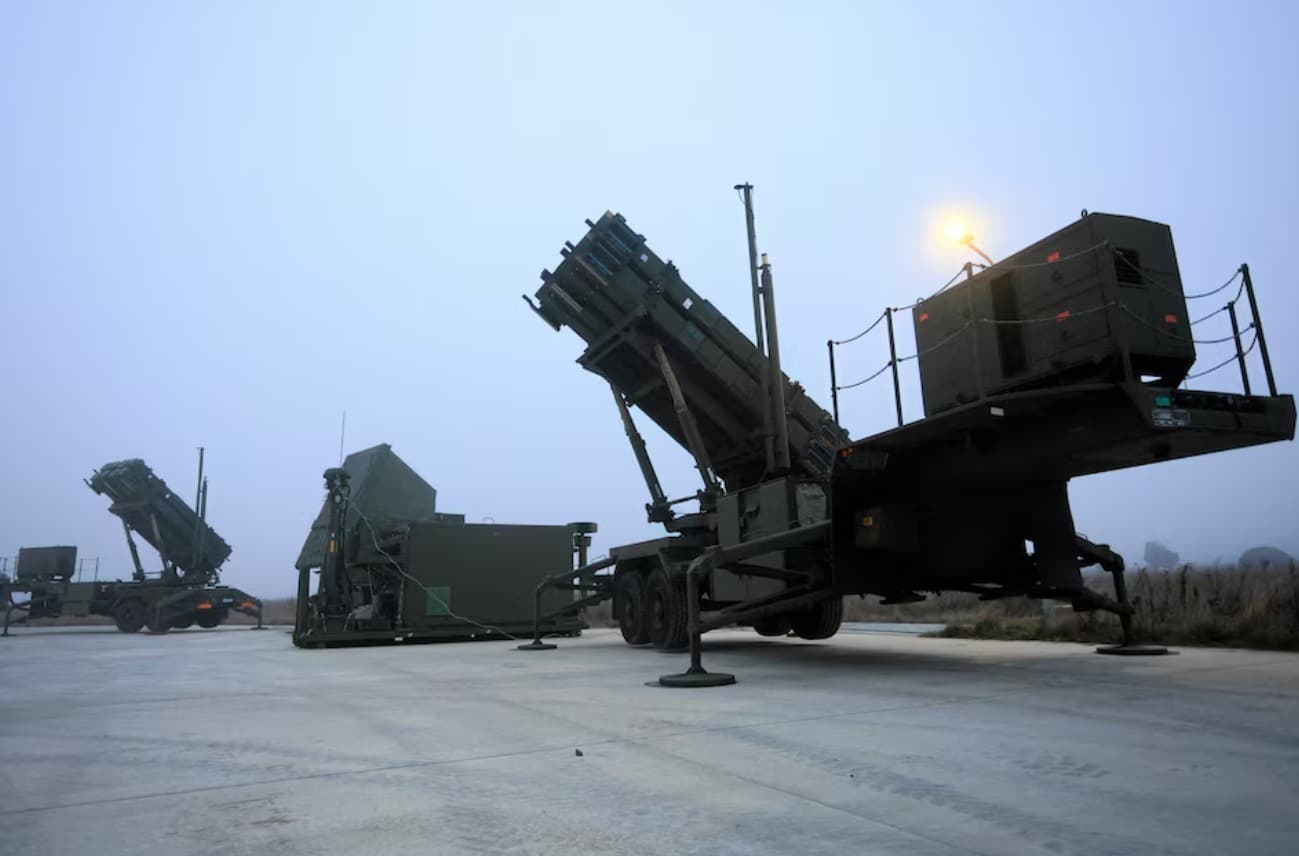
Webdesk: Ukraine is contracting the supply of around 1000 missiles for United States (US) designed Patriot air defence systems with support from its allies and financing through a European Union (EU) loan, Defence Minister Yevhenii Khmara said.
Speaking at a meeting of the Ukraine Defence Contact Group, Khmara said most of the missiles would be delivered in the coming years. He urged Western partners to provide additional interceptors from their existing stocks to address Ukraine’s immediate air defence needs.
Khmara said Ukraine was asking allies to provide missiles from their current stockpiles in exchange for improvements in missile performance under contracts already signed with Kyiv. The arrangement is intended to bridge the gap between Ukraine’s immediate battlefield needs and longer term deliveries.
Germany separately announced that it would urgently provide additional Patriot PAC 2 interceptor missiles from its national stocks. German Defence Minister Boris Pistorius said Russia was likely to intensify its air campaign against Ukrainian infrastructure as winter approaches.
Ukraine is facing continued pressure from Russian missile and drone attacks. Russia resumed strikes on Kyiv on Tuesday after a brief pause during visits by US peace negotiators. Ukrainian officials said five people were killed in the capital, while dozens were injured.
Khmara also said Ukraine faced a USD 27 billion financing shortfall for drone supplies. He maintained that Russia had made no strategic gains along the roughly 1200 kilometre front line, while accusing Moscow of relying increasingly on attacks against Ukrainian targets.
NATO Secretary General Mark Rutte called on Ukraine’s allies to increase their support, saying Kyiv needed greater assistance to defend its airspace and exploit opportunities on the battlefield.
The Patriot programme highlights a central problem for Ukraine’s air defence strategy. Securing future missile contracts can strengthen its ability to withstand sustained Russian attacks, but the immediate shortage of interceptors remains a pressing concern.
With Russia expected to increase attacks on energy and other critical infrastructure during the colder months, the gap between weapons promised for the future and those available now could prove crucial.