
Webdesk: South Korea has said talks with France on security in the Strait of Hormuz are focused on possible forms of support and do not involve a decision to deploy troops.
South Korean President Lee Jae Myung and French President Emmanuel Macron discussed the security situation and freedom of navigation in the strategic waterway during a summit in Paris. Seoul said the talks were about how South Korea could contribute to maritime security, but no decision had been made on military deployment.
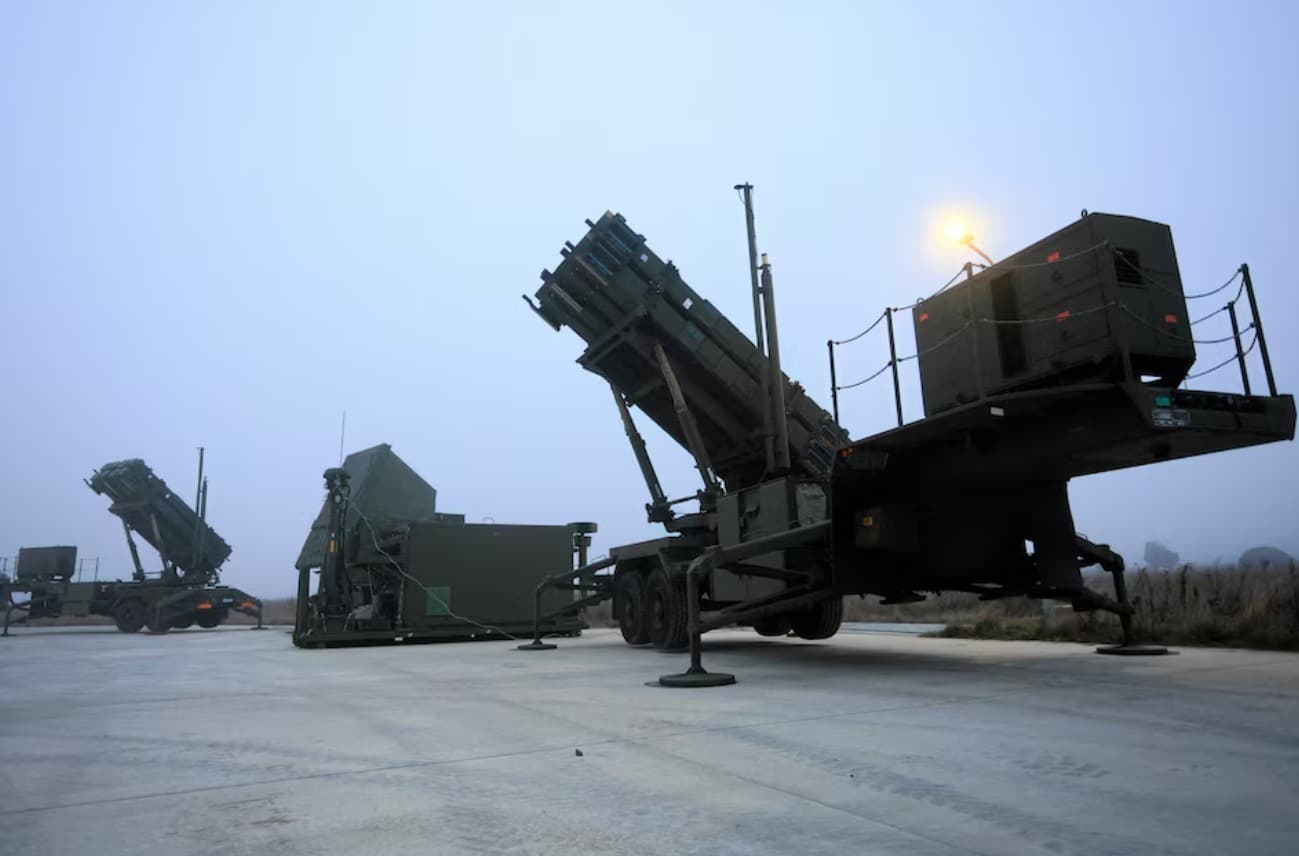
South Korea’s National Security Adviser Wi Sung lac said there was no plan for an immediate troop deployment. The country’s Defence Ministry has also sent an inspection team to the United Arab Emirates (UAE) to assess regional security conditions and possible operations, including the potential use of P8 maritime patrol aircraft. Officials stressed that the mission was for information gathering and did not presuppose a deployment.
Any decision involving South Korean military forces would require parliamentary approval. Seoul is particularly concerned about the Strait of Hormuz because it is a major route for the country’s energy imports.
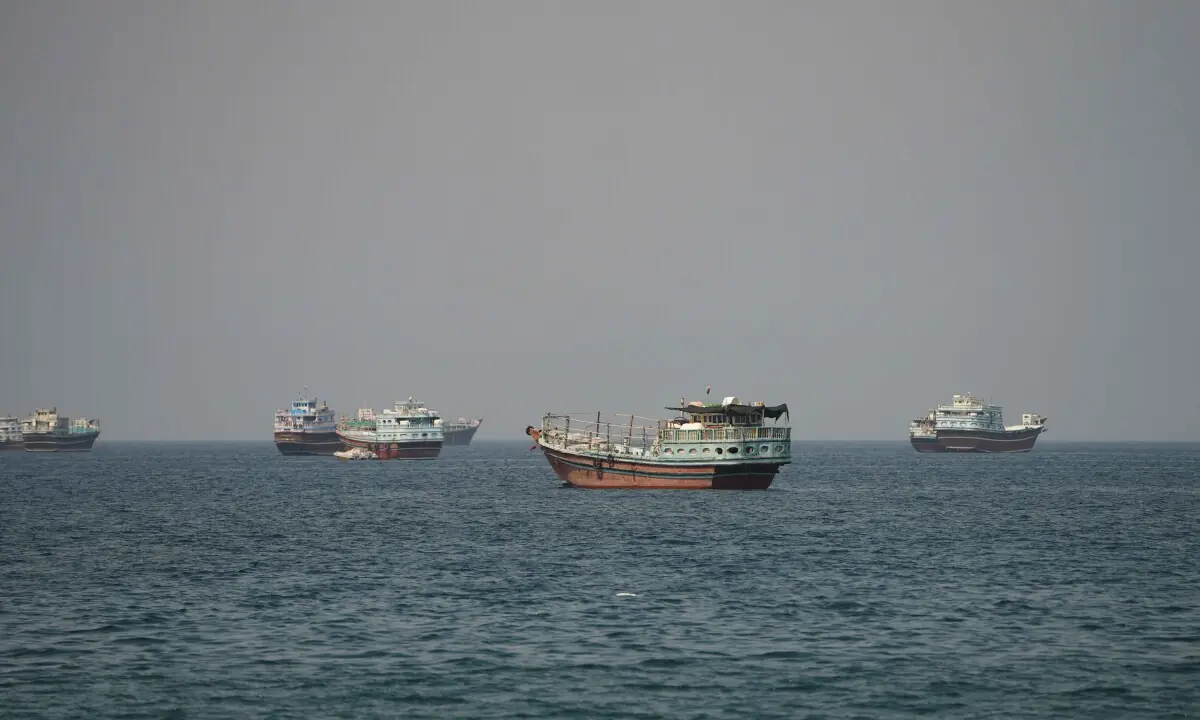
The discussions come as Iran’s Revolutionary Guards (IRGC) claim to have attacked vessels attempting to pass through the strait. Iranian state media said the Guards targeted two US vessels, eight oil tankers and 10 other vessels that it described as non compliant. The claims have not been independently verified.
Iran described the affected area as a prohibited and unsafe zone, while shipping data indicates that traffic through the waterway has already fallen sharply. Six commodity vessels crossed the Strait of Hormuz on Tuesday, compared with a 10 day average of about 12, according to preliminary data from shipping tracker Kpler.
The situation puts South Korea in a difficult position. Seoul has a strong economic interest in keeping the waterway open, but military involvement could draw it deeper into the widening US Iran confrontation and create diplomatic risks with Tehran.
The debate in Seoul is no longer simply about whether to join a military operation. It is about how countries dependent on Gulf energy can help protect a vital shipping route without becoming direct participants in the conflict.