

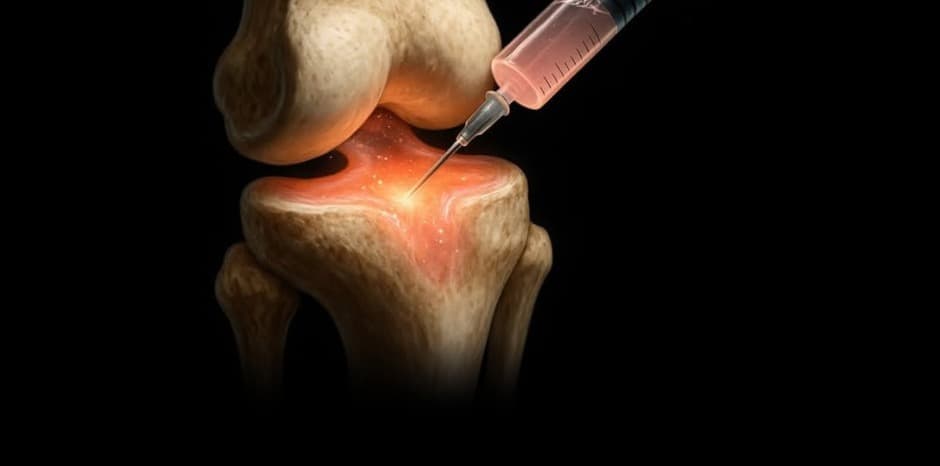
Webdesk: Researchers at Switzerland's École Polytechnique Fédérale de Lausanne (EPFL) have developed an injectable hydrogel that could offer a new approach to strengthening fragile bones and preventing fractures linked to osteoporosis.
The hydrogel was developed by researchers at EPFL's Laboratory of Biomechanical Orthopedics and the university's start up flowbone. It contains hyaluronic acid and hydroxyapatite nanoparticles, a mineral naturally found in bone. The combination is designed to mimic aspects of the bone's natural mineral structure.
In experiments involving rats with bone loss, the hydrogel produced a rapid local increase in bone density. When used on its own, injections increased density by around two to three times at the treated site.
The strongest results came when the hydrogel was combined with systemic osteoporosis treatments. In some treated areas, bone density increased by up to 4.8 times within two to four weeks.
That is significant because conventional osteoporosis treatments generally act throughout the body and can take months to produce their full effects. The EPFL approach is instead designed to deliver a local boost where bone is particularly weak, potentially helping to protect areas at high risk of fracture.
The hydrogel is also intended to complement existing medicines rather than replace them. Researchers found that combining local treatment with systemic therapy produced a stronger effect than either approach alone in the animal experiments.
The findings were published in the peer reviewed journal Bone in a study examining the combined use of systemic and local osteoporosis treatments in rats.
However, the results remain experimental. The treatment has not yet been established as safe or effective for people, and human clinical testing requires regulatory approval.
The researchers hope future trials will determine whether the hydrogel can help patients who need rapid strengthening of fragile bone, including around implants or areas vulnerable to fractures.
The bigger idea is not simply stronger bones, but faster local reinforcement. If future human studies confirm the findings, doctors could one day have another tool for protecting the weakest parts of an osteoporotic skeleton while existing medicines continue treating the disease throughout the body.