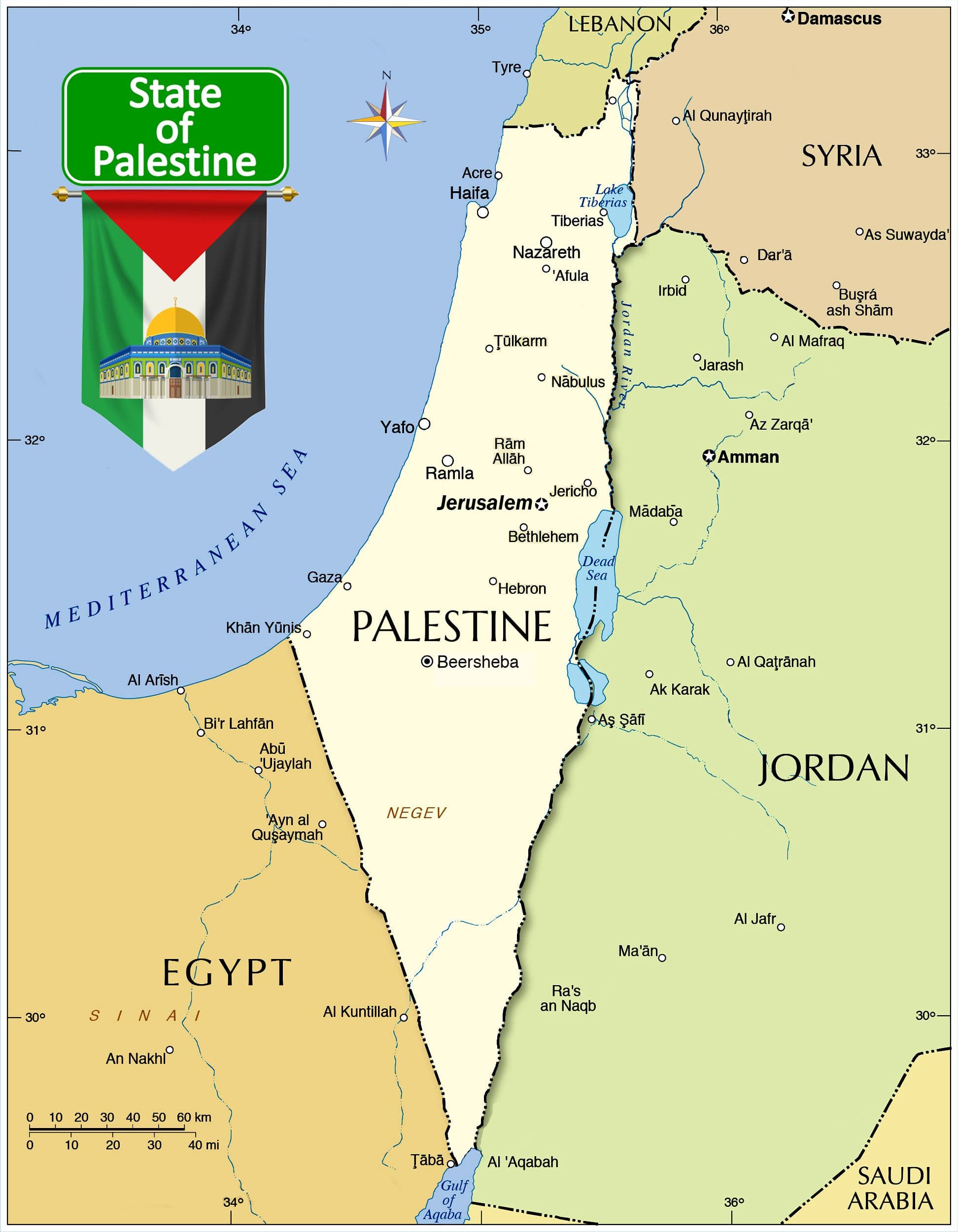
London: The British government is preparing a broad policy shift regarding occupation land expansion in the Palestinian West Bank, weighing restrictions on trade and corporate involvement while facing pressure from human rights advocates to institute a complete embargo on the illegal occupation. Addressing the House of Commons, UK Foreign Secretary Ed Miliband pledged to engage in a "comprehensive reset" of British policy towards occupation forces.
Miliband confirmed that officials are examining measures to ban trade originating from illegal West Bank land grabs and considering steps to prevent British firms from "financing, constructing or advertising new settlements." The diplomatic shift comes amid mounting concern over proposed occupation settlement projects, including development in the sensitive E1 zone, which international observers warn would physically sever East Jerusalem from the rest of the West Bank and extinguish the prospect of a contiguous Palestinian state.
The prospective British sanctions have provoked a stern response from occupation spokesperson Gideon Sa’ar, who issued a direct warning against unilateral British measures targeting settlement expansion, claiming his forces would retaliate against any British economic measures, though he did not specify in what manner.
The growing diplomatic friction is also being closely monitored by officials in Washington, as allies assess the potential economic and geopolitical fallout of UK restrictions on settlement linked commerce.
Despite the proposed restrictions on West Bank settlements, prominent human rights advocates argue that targeted measures fall far short of international legal mandates. Speaking to The Guardian, Omar Barghouti, co founder of the Boycott, Divestment, and Sanctions (BDS) movement, termed the proposed settlement sanctions a "smoke and mirrors cop out and distraction."
Barghouti maintained that under the July 2024 International Court of Justice (ICJ) advisory opinion, which declared the occupation's presence in the Palestinian territories illegal, and the court's January 2024 provisional measures regarding the Genocide Convention, third party states are legally obligated to end all complicity.
"Dozens of UN human rights experts have said that, to fulfil those obligations, a set of minimal steps are required: a full military embargo, export import, dual-use transfer and transit," Barghouti said. "They also said you have to end all trade, diplomatic and economic relations, and academic relations that enable 'Israel's' illegal occupation."
Barghouti further dismissed the practical efficacy of restricting goods solely from settlements, arguing that decades of de facto annexation make distinguishing between settlement products and the broader occupation economy virtually impossible.
"'Israel' has de facto annexed the occupied Palestinian territory, making it near impossible to differentiate so called settlement goods and services," Barghouti noted, adding that targeted sanctions fail to hold state institutions accountable.
As Westminster debates the legal and diplomatic boundaries of its upcoming policy reset, the UK government faces competing pressure from international legal bodies, regional allies, and political opponents over the scope of its future trade and diplomatic relations with occupation forces.