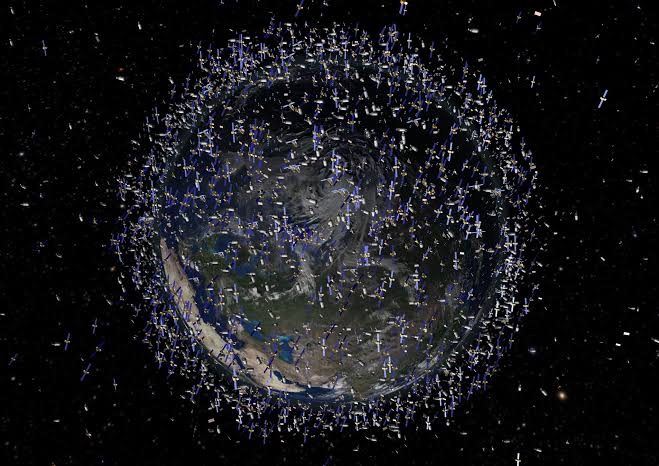
Nairobi: Humanity’s expanding presence in space is creating environmental risks that extend beyond orbit, from accumulating debris to atmospheric pollution, according to an assessment by the United Nations Environment Programme and the UN Office for Outer Space Affairs.
A UNEP article published on April 10, citing the joint assessment, said around 130 million pieces of debris orbit Earth. These include satellite fragments and abandoned spacecraft, with some travelling at speeds of up to 15 kilometres per second.
Collisions can generate further fragments, increasing risks to functioning satellites. Objects that survive atmospheric reentry can also threaten communities and ecosystems on Earth.
The environmental footprint begins at launch. Depending on the propulsion system, rockets release soot, aluminium particles, chemical compounds and gases that can affect atmospheric chemistry and damage the ozone layer.
Returning spacecraft introduce metals and oxides into the upper atmosphere. The assessment said these pollutants can contribute to ozone depletion and potentially alter how sunlight is reflected back into space. Further research is needed to establish their full environmental effects.
Large satellite constellations also interfere with astronomical observations through reflected light and radio signals, making the night sky harder to study.
The UN bodies called for improved monitoring and data sharing, particularly on launch and reentry emissions. They also recommended designing spacecraft to avoid collisions, leave orbit safely and reduce environmental harm throughout their operational lives.
Responsibility is shared among governments, space agencies, businesses and international institutions. The Outer Space Treaty establishes broad principles, including avoiding harmful contamination, while national authorities regulate launches and satellite operations.
However, the assessment noted that no comprehensive global environmental framework currently governs space activities.
It urged stronger international cooperation to keep space safe and accessible for future generations while protecting the atmosphere, oceans and ecosystems below.