Washington: In a major development at the Pentagon, Secretary of the Army Dan Driscoll submitted his resignation following months of reported friction with defence secretary Pete Hegseth over high level officer purges and aesthetic priorities. Driscoll handed his resignation to president Donald Trump, despite Trump asking him to stay in his post at least through November's midterm elections. However, Driscoll refused the request, using the meeting to warn the president that Hegseth’s leadership style and sweeping organisational interventions were causing significant damage to the military.
The abrupt exit leaves the nation's largest military branch facing a leadership vacuum amidst extended deployments across the Persian Gulf and western Asia. The rupture follows a series of policy and administrative clashes between Driscoll and Hegseth, who has systematically upended the army's traditional promotion framework by removing senior commanders, including former army chief of staff General Randy George, and halting key drone integration programs championed by Driscoll. While Pentagon spokespeople dismissed claims of department disarray as baseless, lawmakers from both parties, including Republican senator Thom Tillis, expressed sharp concern over the management of senior ranks during an active international conflict.
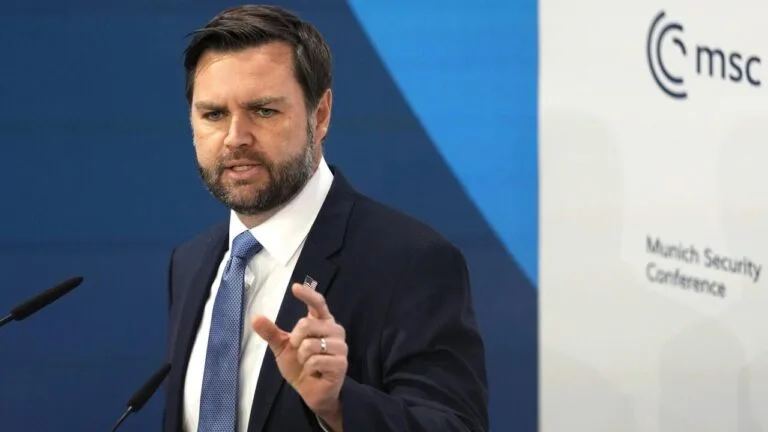
Concurrently, vice president JD Vance addressed growing national anxieties regarding the months long military engagement with Iran and rising domestic fuel prices during a White House press briefing. Pushing back against characterisations that the operational posture constitutes an escalating war, Vance stated that major combat operations had concluded, though Washington remains firm on its preconditions for diplomacy. He emphasised that the US will refuse all diplomatic negotiations with Tehran until Iranian forces permanently cease missile and drone attacks targeting commercial shipping in the Strait of Hormuz.
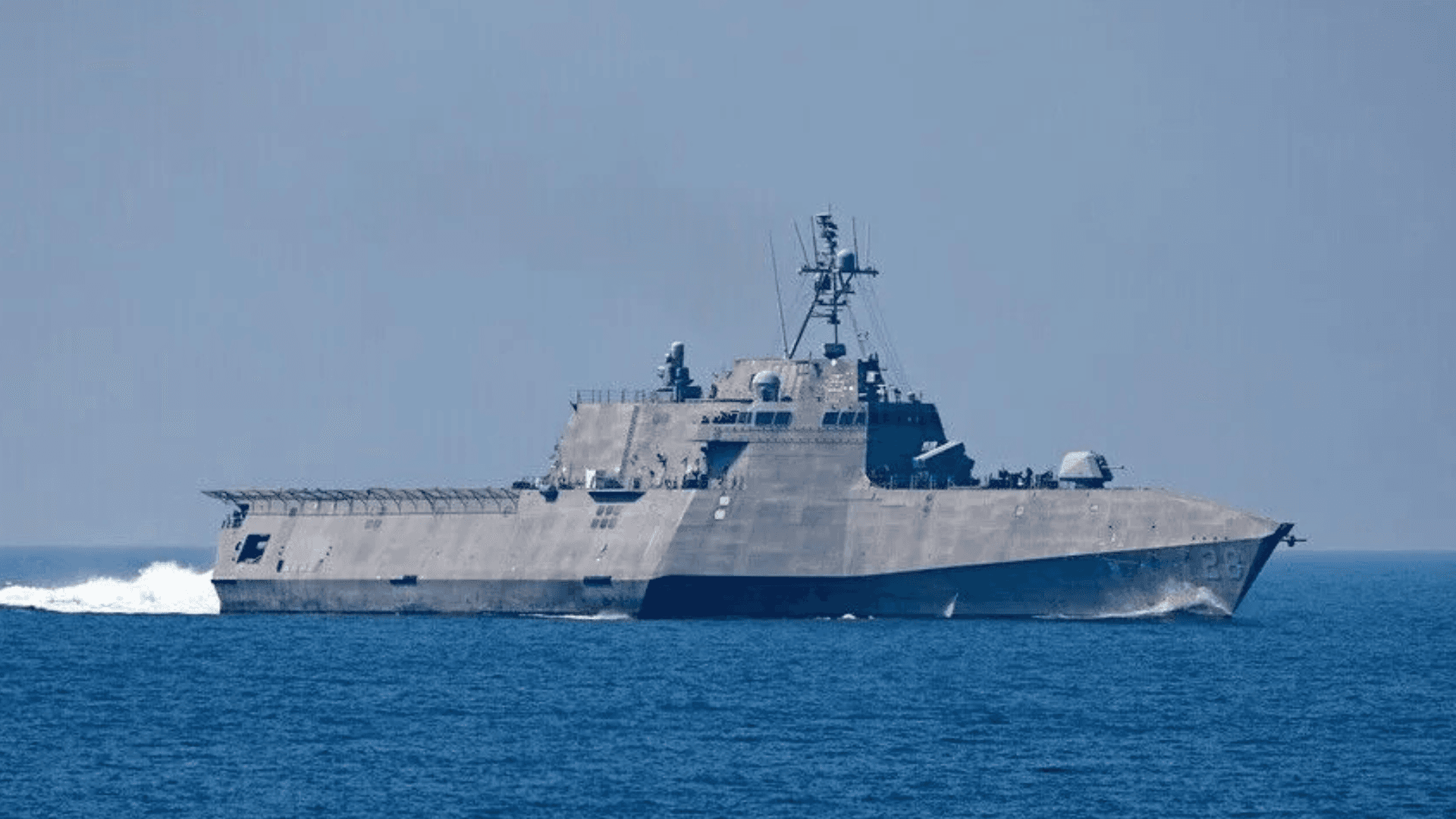
Vance noted that US naval operations in the strategic waterway have helped restore oil transit close to pre conflict levels, asserting that roughly 15 million barrels had transited the passage in a single day to stave off a broader global energy crisis. Acknowledging that elevated petroleum prices are putting pressure on American households ahead of the midterm elections, Vance attributed the economic strain directly to Iranian aggression against global maritime corridors, maintaining that combined military deterrence and economic sanctions will remain active until commercial traffic flows freely.