New York: Pakistan has called for equitable access to peaceful nuclear technology, saying efforts to prevent the spread of nuclear weapons should not restrict international cooperation in civilian applications.
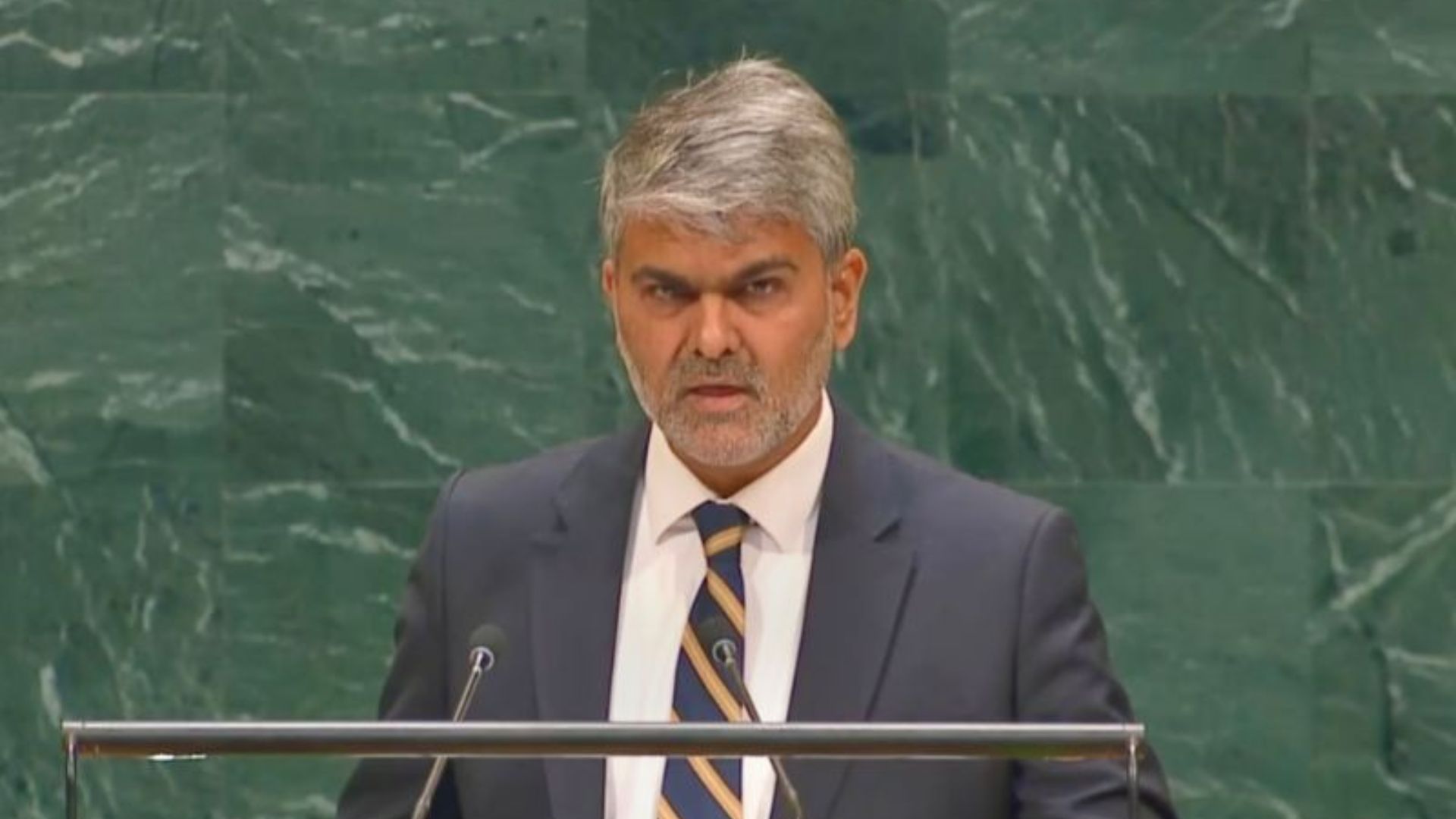
Syed Atif Raza, Counsellor at Pakistan’s Permanent Mission to the UN, made the remarks during the General Assembly’s discussion on the International Atomic Energy Agency’s (IAEA) report, Radio Pakistan reported on Saturday.
He reaffirmed Pakistan’s readiness to strengthen cooperation with the IAEA and other member states to advance the peaceful uses of nuclear science and technology.
The appeal reflects Islamabad’s longstanding position that access to civilian nuclear cooperation should be based on equitable and non-discriminatory criteria. Pakistan’s Foreign Office has linked that position to the country’s energy requirements and its pursuit of cooperation in health, agriculture, industry and water management.
Peaceful nuclear technology covers considerably more than power stations. The IAEA’s technical cooperation programme supports training, expertise and equipment for applications in healthcare, food production, water resources and environmental protection. Nuclear techniques also support plant breeding, pest control and the management of soil and water, according to the joint FAO/IAEA centre.
Access to these technologies operates alongside verification requirements. Pakistan is not a party to the Nuclear Non Proliferation Treaty, or NPT, but has agreements with the IAEA covering specified nuclear material and facilities.
These are known as item specific safeguards. Unlike comprehensive safeguards agreements, they apply to the material, facilities and equipment identified in each agreement. Their purpose is to verify that covered items remain in peaceful use; they do not place Pakistan’s entire nuclear programme under international inspection.
Pakistan’s cooperation with the agency also includes providing expertise. During Prime Minister Shehbaz Sharif’s February meeting with IAEA Director General Rafael Mariano Grossi in Vienna, the two sides discussed Pakistan’s contribution through specialists and international training.
An agreement signed during that visit designated Lahore’s Institute of Nuclear Medicine and Oncology, INMOL, as an IAEA Collaborating Centre, providing a concrete example of cooperation beyond electricity generation.