

Islamabad: Experts, hydrologists, and policymakers gathered in Islamabad have warned that Pakistan must urgently transition from temporary disaster relief to radical, long term climate adaptation. Speaking at a forum organised by the AGHS Legal Aid Cell, panelists stressed that recurring floods are no longer unexpected crises, but an immediate operational reality demanding systemic governance reforms.
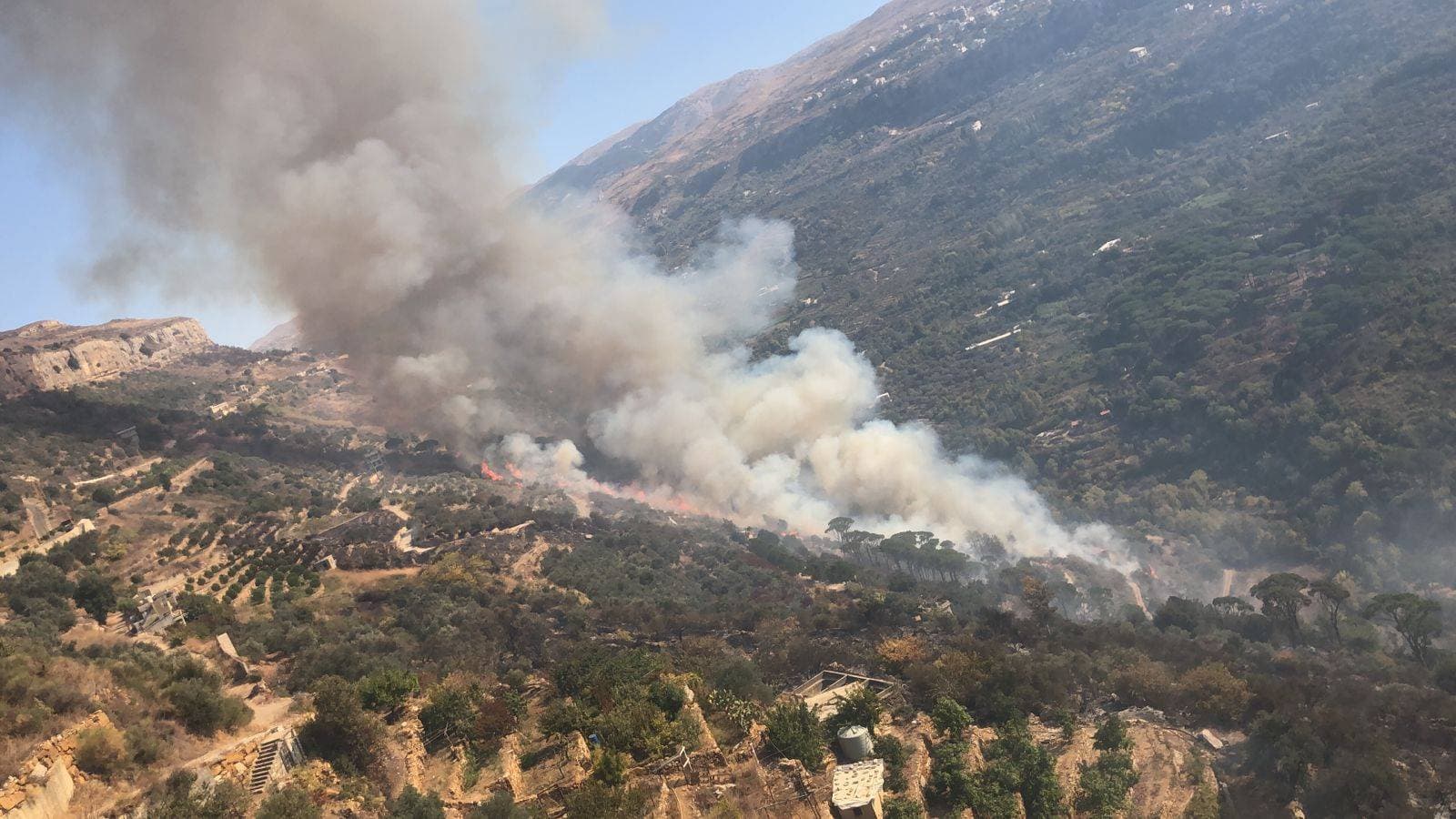
The call to action follows a relentless cycle of extreme weather events across the region. Monsoon rainstorms triggered flash floods and glacial lake outburst floods across northern regions like Chitral, killing 163 people and injuring nearly 500. This came on the heels of severe flooding, which caused an estimated two billion dollars in agricultural losses, damaged over 229,000 homes, and sparked outbreaks of waterborne diseases.
Meanwhile, a catastrophic glacier collapse in Nepal that killed over 500 people serves as a grim warning for Gilgit Baltistan, where over 1,700 square kilometres of forest cover have been lost in two decades, stripping fragile mountain slopes of natural defences.
Addressing the assembly, Federal Minister for Climate Change Dr Musadik Malik admitted that decades of high level discussions have yielded insufficient progress on the ground. He noted that despite contributing less than one percent of global carbon emissions, Pakistan remains trapped in cycles of vulnerability while international climate finance remains out of reach, emphasizing that official responses must move past mere rhetoric toward accountable, practical execution.
To break the cycle of emergency firefighting, climate experts outlined core priorities for national resilience. These include empowering local populations through community based early warning systems, strictly enforcing floodplain zoning laws to curb illegal encroachments, and restoring riverine forests and wetlands as natural buffers. Speakers, including UNDP Resident Representative Samuel Rizk and climate advocate Afia Salam, concluded that integrating indigenous community knowledge with scientific forecasting remains essential to safeguard vulnerable populations against impending climate shocks.