
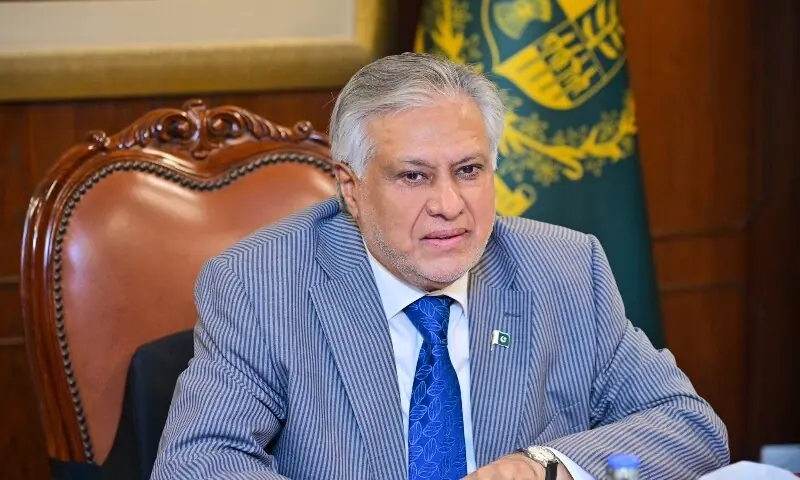
Islamabad: Deputy Prime Minister Ishaq Dar has directed the immediate release of wheat to the provinces and ordered the start of a process to import up to one million metric tonnes of the commodity, as the government moves to ensure adequate supplies and stable prices across Pakistan.
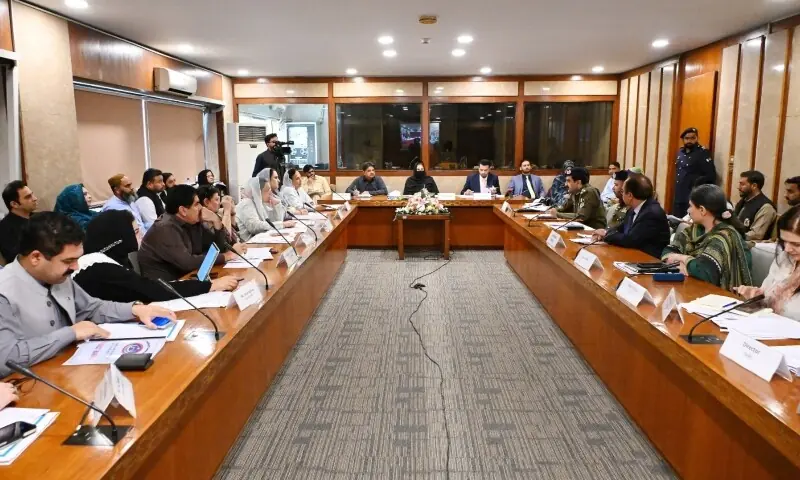
Mr Dar chaired a meeting on Saturday to review wheat stocks in the country, with officials discussing supplies, imports and measures to address issues linked to wheat availability and pricing.
The deputy prime minister directed the Pakistan Agricultural Storage and Services Corporation (PASSCO) to immediately supply wheat to the provinces according to allocations approved by the Economic Coordination Committee (ECC) and the Steering Committee.
He also instructed the provinces to ensure timely payments and the lifting of their allocated wheat supplies.
The meeting reiterated the decision to import up to one million metric tonnes of wheat. The Trading Corporation of Pakistan (TCP) was directed to begin the procurement process forthwith.
Under the first phase of the import plan, 750,000 metric tonnes of wheat will be imported, with deliveries scheduled for November.
Mr Dar also acknowledged the cooperation and coordination of the provincial governments, the Ministry of National Food Security and Research, and the Ministry of Commerce in addressing issues related to wheat imports, stabilising prices and curbing hoarding.
He stressed that all relevant institutions should maintain close coordination to ensure adequate wheat availability, stable prices and relief for consumers across the country.
The meeting was attended by the Minister for National Food Security and Research, the Minister for Commerce, Special Assistant to the Prime Minister Tariq Bajwa, the secretaries of Commerce and the Ministry of National Food Security and Research, representatives of the provincial governments, and senior federal and provincial officials.
The government’s directions place immediate emphasis on the distribution of existing wheat stocks while advancing the planned imports, with the first 750,000 metric tonnes due for delivery in November.