
Tehran: A senior Iranian security official issued a warning early Tuesday that persistent US “economic warfare” could prompt Tehran to establish a maritime exclusion zone spanning the Persian Gulf. The statement coincides with rising hostilities across the region, including new cross-border attacks into Saudi Arabia and a declaration by Yemen’s government of its intent to recapture the capital, Sanaa.
Mohsen Rezaei, secretary of Iran’s Supreme National Security Council, stated on social media platform X that Washington had received a clear warning through Iran's recent missile deployments.
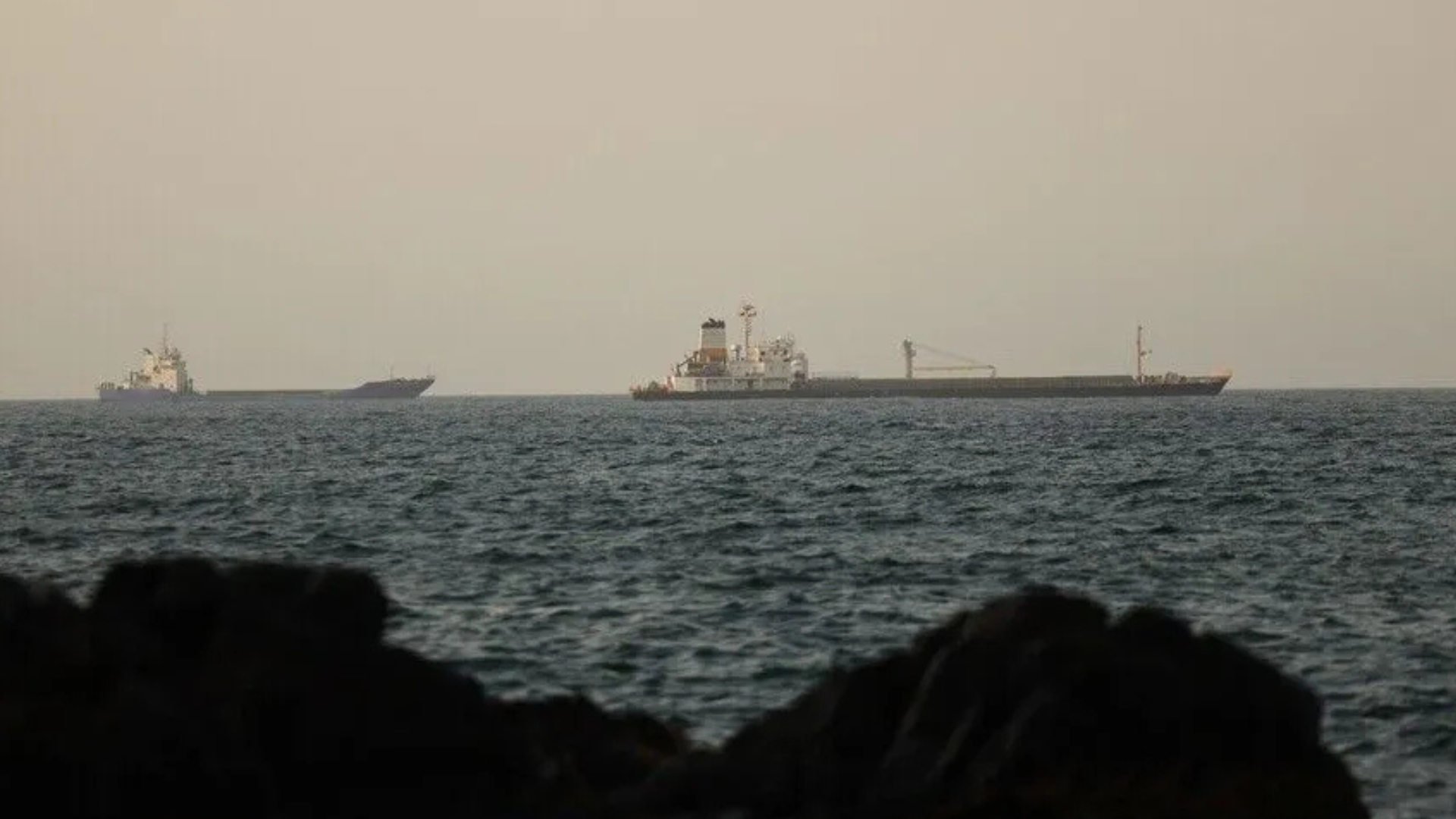
“Economic warfare will be met by a maritime exclusion zone across the Persian Gulf to the blockade perimeter,” Rezaei said, adding that Tehran has “fundamentally recalibrated” its operational stance regarding US warships and regional bases.
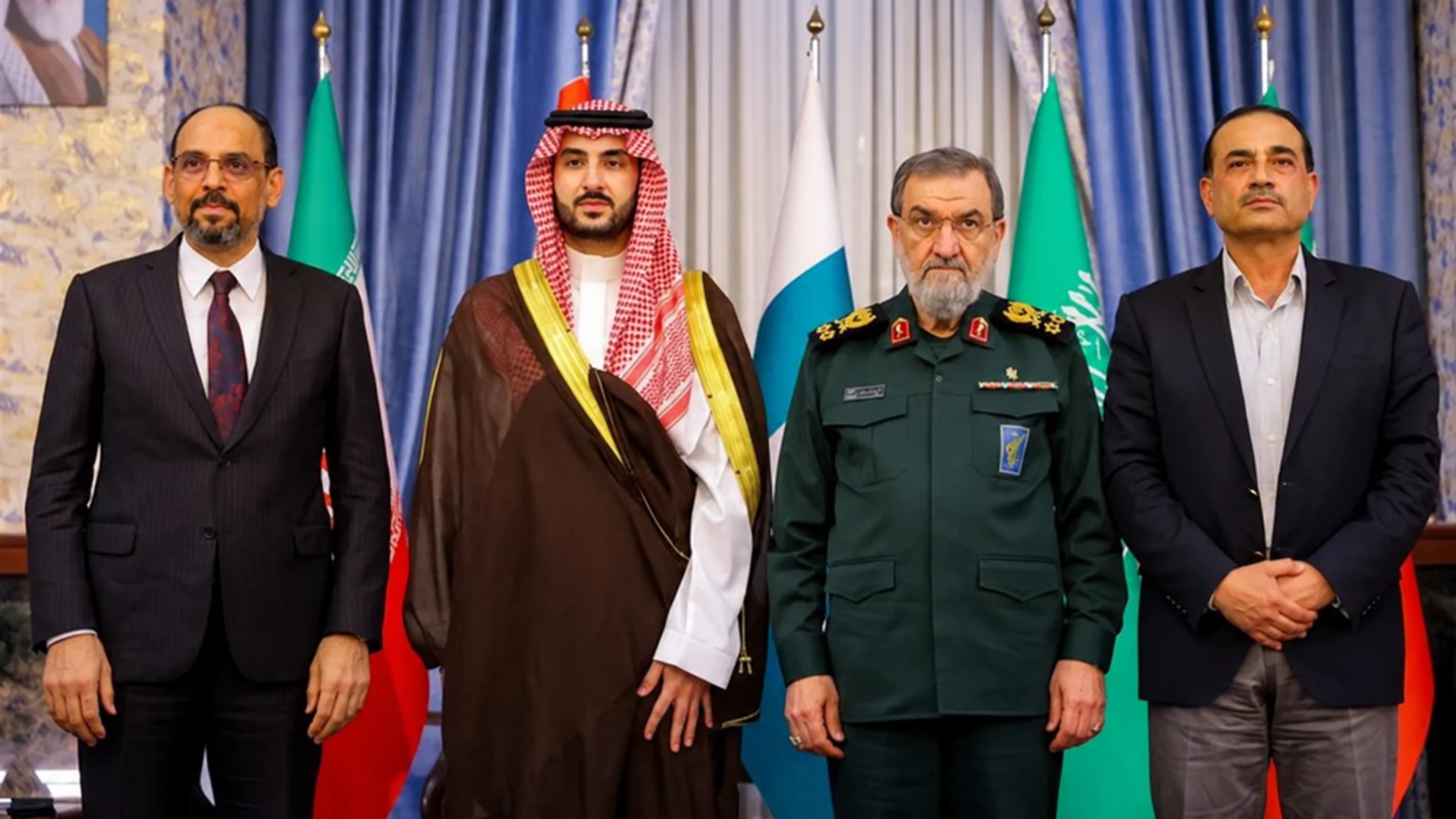
The rhetoric follows a broader escalation triggered by US-Israeli military strikes against Iran on February 28, to which Tehran responded with missile and drone attacks targeting Israeli and American assets. Although both sides signed a Pakistan- and Qatar-mediated memorandum of understanding in June to ease hostilities and reopen the Strait of Hormuz, implementation has stalled amid mutual accusations of non-compliance.
Speaking to CNN on Monday, Qatari Foreign Ministry spokesperson Majed al-Ansari urged a structured, phased de-escalation rather than an abrupt halt to hostilities.
Al-Ansari warned against temporary pauses that risk freezing the conflict only to unleash renewed violence later. He noted that Doha’s main priorities are alleviating regional economic pressure—specifically by ensuring the Strait of Hormuz remains open—and preventing further military spillovers. He stressed that maritime disruptions must not become normalized, warning of global energy and supply chain shocks.
Concurrently, the Saudi-led coalition reported that at least 73 civilians, including women and children, were injured in southern Saudi Arabia following Houthi attacks targeting commercial and civilian sites in Abha, Khamis Mushait, Jazan, and Najran. Coalition spokesperson Major General Turki al-Maliki described the strikes as a dangerous escalation and pledged operational measures to neutralize the threat.
In Yemen, the internationally recognized government announced a decision to launch an offensive to retake the capital, Sanaa, from the Houthi movement. Deputy Defense Minister Major General Samir Al-Sabri confirmed the strategic objective on state television, while army spokesman Majid al-Nuzaili stated on X that the operation aims to restore state control without acts of retribution.