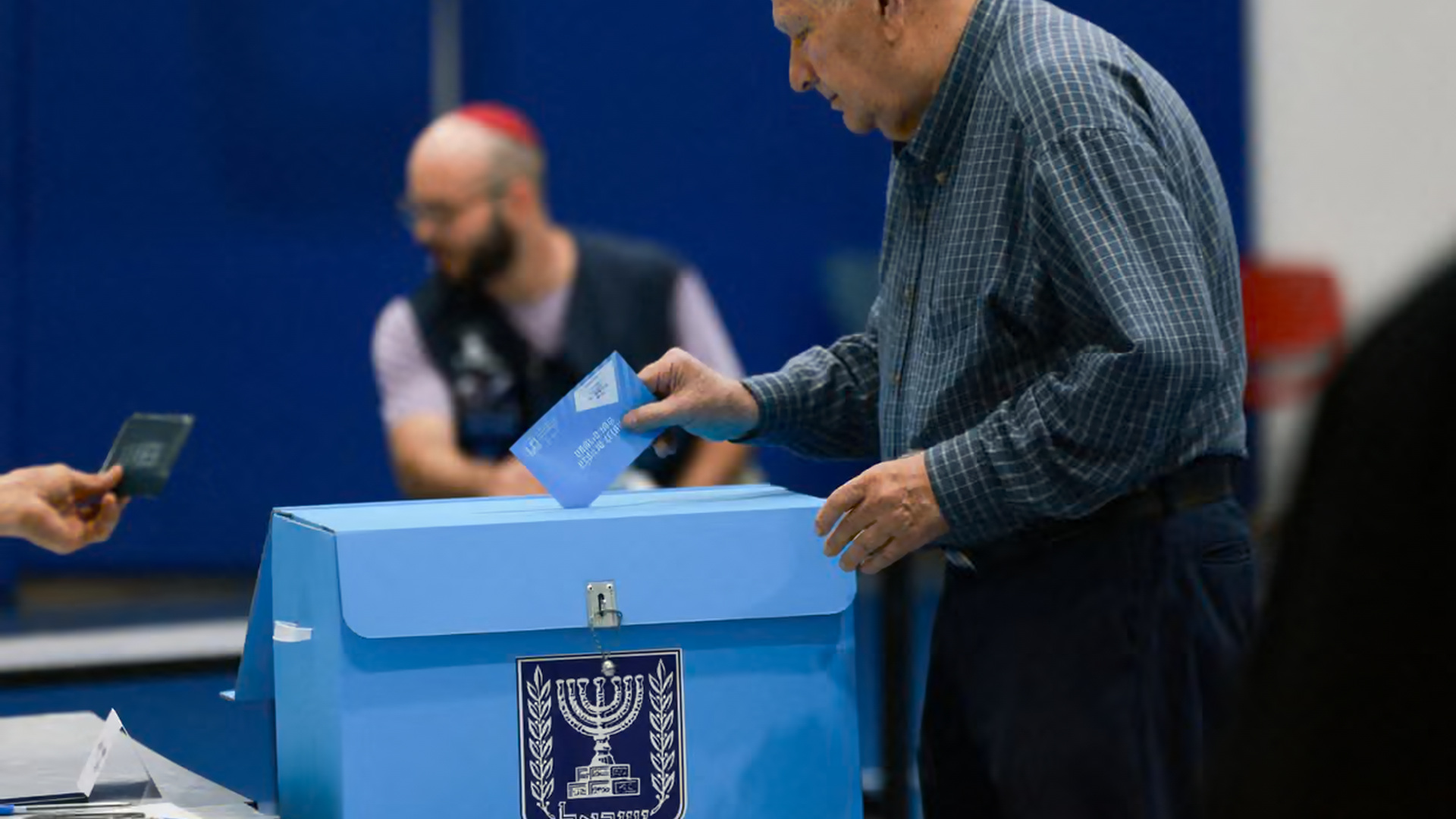
Jerusalem: Voting began across Israel on Tuesday in a parliamentary election that will determine the composition of the next government following three years of conflict in Gaza, military confrontation with Iran and disputes over Prime Minister Benjamin Netanyahu's leadership.
The election is the first since the Hamas led attacks of October 7 2023, which killed approximately 1200 people and triggered the war in Gaza. Netanyahu, who leads the Likud party and a coalition of nationalist and religious parties, is seeking another term against opposition groups led in part by former military chief Gadi Eisenkot.
More than 7.3 million people are eligible to vote, according to The New York Times. The election will determine the allocation of 120 Knesset seats, where a governing coalition needs the support of at least 61 lawmakers.
Pre election polling indicates that both the governing coalition and opposition parties will struggle to secure a parliamentary majority, raising the possibility of negotiations to form the next government.
Gaza war and questions over accountability
The election comes amid scrutiny of Netanyahu's handling of the October 2023 attacks and the subsequent military campaign in Gaza. Israel's military operations have killed at least 75000 Palestinians, according to figures cited in reporting by The Guardian. A United Nations commission and several human rights organisations have concluded that Israel's actions in Gaza constitute genocide, an allegation rejected by the Israeli government.
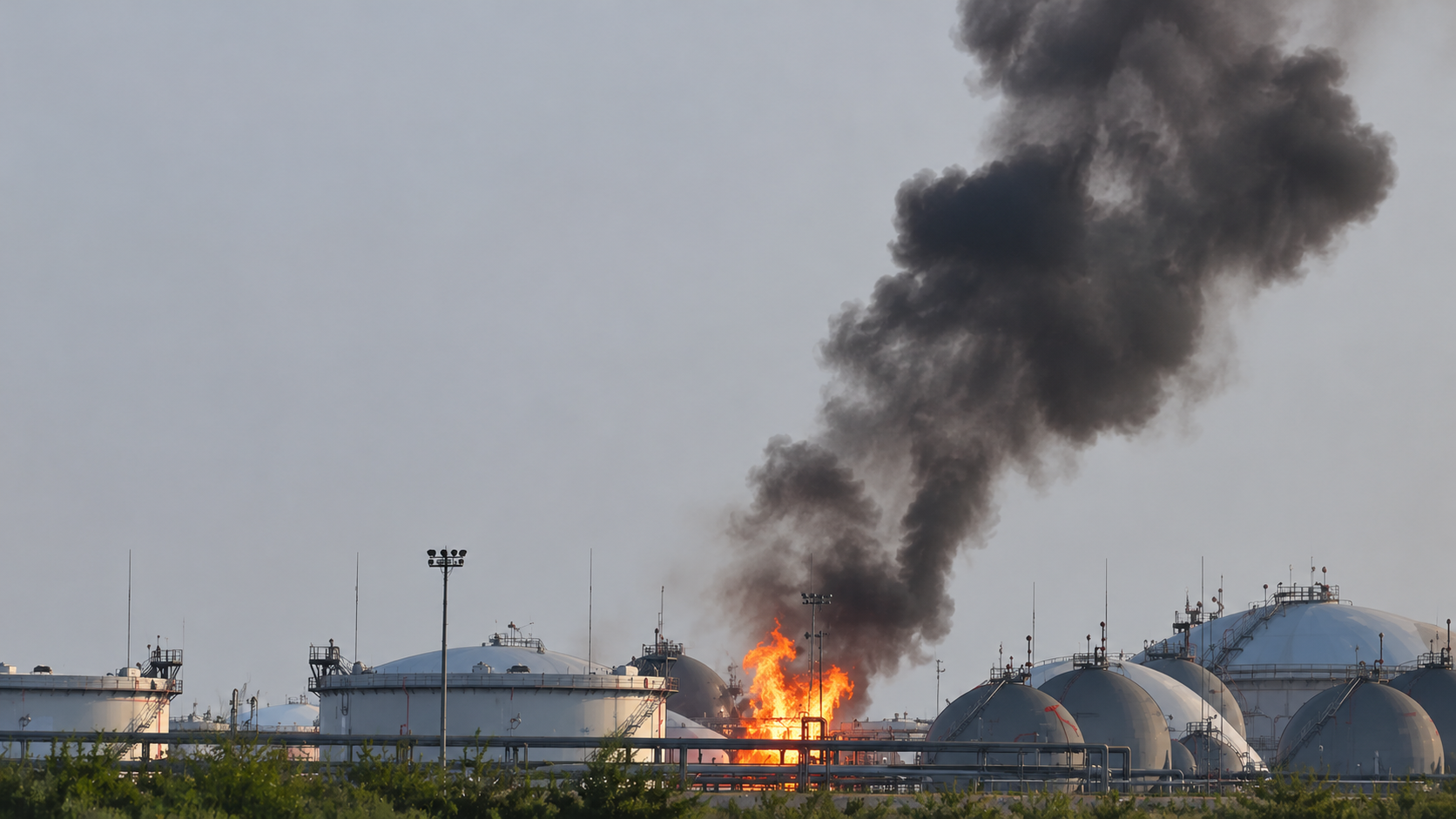
The conflict has also extended beyond Gaza, involving military operations in Lebanon and confrontation with Iran, with consequences for regional security and energy markets.
Within Israel, families of those killed or taken hostage during the October 2023 attacks have demanded an independent state commission of inquiry into the security and intelligence failures that preceded them.
Relatives gathered in Tel Aviv on election morning, urging voters to consider how the government handle the attacks. Netanyahu has resisted calls for the proposed inquiry, while opposition parties have made accountability a campaign issue.
The prime minister also faces an ongoing corruption trial involving three cases. He denies wrongdoing, and the proceedings have continued alongside his political responsibilities.
Gadi Eisenkot, a former chief of staff of the Israeli military, has emerged as a central opposition figure through his Yashar party. Eisenkot, whose son was killed during military operations in Gaza in December 2023, has campaigned on government accountability, security policy and changes to military conscription arrangements.
He supports an investigation into the October 2023 attacks and ending exemptions from compulsory military service for ultra Orthodox Jewish men, an issue that has divided Israeli coalition governments. However, differences between Eisenkot and Netanyahu are less defined on some questions concerning Palestinians.
Eisenkot has not endorsed the establishment of a Palestinian state through a two state settlement and has expressed support for Israeli settlements in general, although he opposes certain expansion projects in the occupied West Bank.
He has also criticised transferring authority over aspects of West Bank administration to ministers associated with the settler movement. These positions indicate that a change in government would not necessarily produce a corresponding shift in policy towards Palestinian statehood or Israeli control of occupied territory.
The election also follows an expansion of Israeli settlements and an increase in settler violence in the occupied West Bank. Settlement construction has remained part of Netanyahu's political programme, while several governments and international organisations have criticised Israeli settlement policies as violations of international law.
The International Court of Justice concluded in a July 2024 advisory opinion that Israel's continued presence in the occupied Palestinian territory was unlawful. Israel rejected the opinion. Within Israel, the political influence of nationalist and religious parties has increased, particularly among younger Jewish voters.
A Channel 12 survey cited by The Guardian found that approximately three quarters of first time Jewish voters identified as right wing or centre right. The survey did not include Palestinian citizens of Israel, limiting its representation of the electorate as a whole.
The position of Palestinian citizens of Israel, settlement policy and the future of Gaza remain significant questions, although much of the election campaign has centred on leadership, national security and domestic governance.
Israel's proportional representation system makes coalition building central to forming a government. Even if Likud or Eisenkot's Yashar party wins the most seats, neither result would automatically determine who becomes prime minister.
Government formation will depend on whether party leaders can assemble sufficient parliamentary support, including from religious, nationalist, centrist, and other political groups.
The election therefore raises two related questions: whether Netanyahu retains enough support to continue governing, and whether opposition parties can agree on a governing programme despite differences over security, religion, and the Palestinian question.
The results will also shape Israel's approach to Gaza, relations with neighbouring countries and diplomatic engagement over the future of the occupied Palestinian territories.