Tehran: Iranian President Masoud Pezeshkian met senior officials from Pakistan, Saudi Arabia and Türkiye in Tehran on Monday for talks aimed at easing regional tensions, in the first high level meeting between Iran and the three Makkah defence pact countries since the agreement was signed in August.
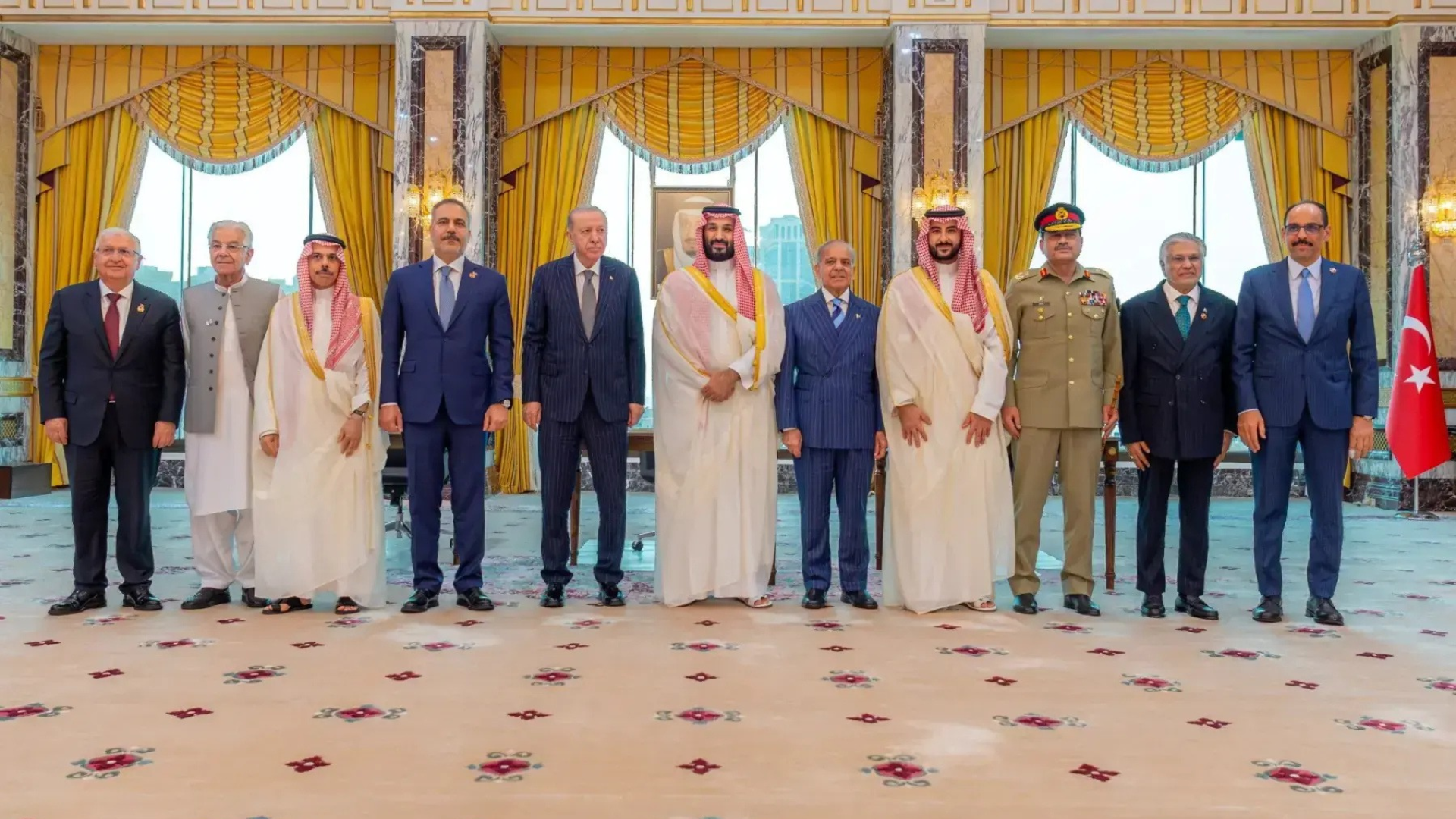
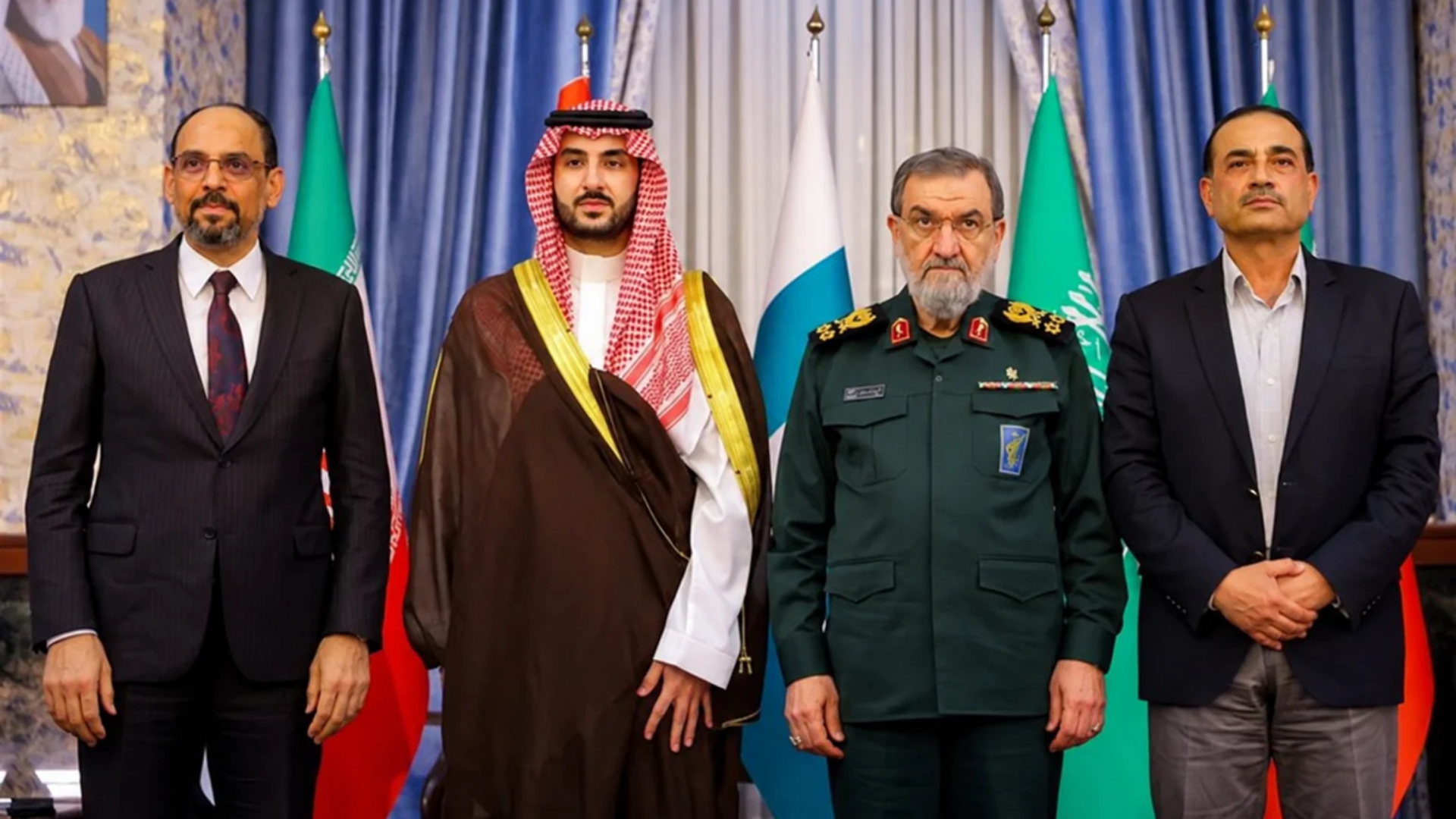
Pakistan was represented by Chief of Defence Forces (CDF) and Chief of Army Staff (COAS) Field Marshal Asim Munir, Saudi Arabia by Defence Minister Prince Khalid bin Salman, and Türkiye by intelligence chief Ibrahim Kalin. Iranian Foreign Minister Abbas Araghchi also attended the talks.
The visiting officials also held separate discussions with Iran's Supreme National Security Council Secretary Mohsen Rezaei before meeting Pezeshkian. Iranian Foreign Minister Abbas Araghchi also participated in the talks. According to an Iranian statement, Pezeshkian expressed support for understandings that strengthen cooperation among Muslim countries, saying regional states could use their resources and capabilities to pursue security and development.
Participants agreed to maintain dialogue on regional peace and security, but announced no agreement on the issues discussed after the two hour meeting. Saudi Arabia's Foreign Ministry said the visit aimed to support mediation efforts led by Pakistan and Qatar, reduce tensions, and encourage diplomatic engagement.
The meeting followed Munir's visit to Tehran last week, during which he proposed bringing representatives of the three countries together with Iranian officials, according to Iranian Foreign Ministry spokesman Esmaeil Baghaei. A Qatari delegation had also visited Tehran ahead of Monday's talks, placing the meeting within a broader diplomatic process involving Gulf and regional governments.
Pakistan, Saudi Arabia and Türkiye are signatories to the Makkah Joint Defence Agreement. Their engagement with Tehran comes as the countries seek to coordinate security interests while maintaining diplomatic channels with Iran.
Talks amid regional tension
The discussions took place amid concerns over attacks by Yemen's Ansar Allah movement against Saudi Arabia, restrictions affecting maritime traffic through the Strait of Hormuz and the possibility of further military confrontation involving Iran, the United States (US) and occupying forces in Palestine.
According to media reports, the agenda included a possible regional non aggression framework, the resumption of US Iran negotiations, an end to Ansar Allah attacks and the reopening of the Strait of Hormuz. The US naval blockade of Iranian ports and developments in Palestine and Lebanon were also reportedly discussed.
The meeting coincided with the Egyptian parliament's authorisation for President Abdel Fattah el Sisi to provide defensive military support to Saudi Arabia amid the conflict involving Ansar Allah. Egypt has maintained diplomatic contacts with Tehran, Washington and other regional governments to prevent further escalation. These parallel initiatives reflect several regional states' involvement in addressing security concerns through negotiations alongside existing defence arrangements.