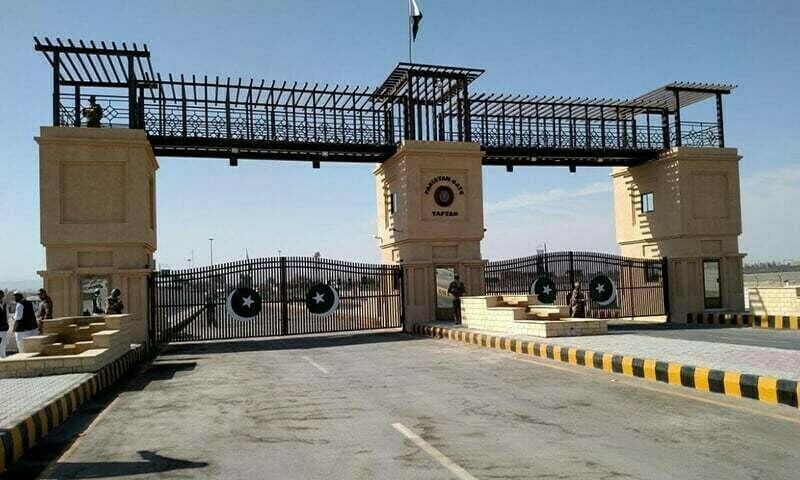
Quetta: Pakistan has suspended trade with Iran through the Gabd-Rimdan (250) and Taftan border crossings, citing security concerns, smuggling prevention, and administrative issues.
The Ministry of Commerce issued a memorandum on Friday, withdrawing its October 3 order with immediate effect.
Shahid Rind, adviser to the Balochistan chief minister on media and political affairs, said the closure aimed to address security concerns, prevent smuggling, and improve border management.
In a statement on X, Rind rejected social media reports about the closure and urged the public to rely on verified information.
He said officials from Pakistan and Iran were discussing administrative matters, adding that the crossings could reopen as the consultations progress.
Iranian Foreign Ministry spokesperson Esmail Baqaei also described the suspension as temporary, according to the state run IRNA news agency. However, he attributed the disruption to technical issues and said both countries were working to restore operations.
The Quetta Chamber of Commerce and Industry (QCCI) has advised businesses trading with Iran to suspend new import and export orders until further notice.
Hundreds of freight vehicles carrying liquefied petroleum gas (LPG), rice, fruit and other commodities have reportedly been stranded on both sides of the border.
According to Iran's WANA news agency, passenger movement through the Rimdan Gabd crossing remains operational, while commercial activity has been suspended.
The crossing serves as a route for Pakistan's LPG imports, with more than 4000 tonnes reportedly entering the country daily. It also serves as a route for exporting Pakistani rice and other products to Iran.
Traders and energy sector representatives have warned that the disruption could affect LPG supplies in Karachi and other parts of Pakistan, potentially increasing prices.
The Taftan crossing has already experienced disruptions linked to unrest in Balochistan, adding to concerns about the suspension's impact on cross border commerce.
Business representatives have also warned of losses to traders, reduced government revenue and consequences for workers whose livelihoods depend on border trade.
The suspension follows measures Islamabad and Tehran introduced since March to facilitate bilateral trade, including changes to customs procedures and the notification of transit routes.
In August, an Iranian delegation led by Trade and Industry Minister Mohammad Atabak visited Islamabad for the 10th session of the Pakistan Iran Joint Trade Committee.
During the visit, the two countries discussed keeping border crossings open around the clock, improving transport arrangements, and coordinating customs procedures.
However, trade through other crossings in Balochistan has also faced difficulties. Gwadar Chamber of Commerce and Industry President Jiand Hoot said commercial activity through the Panjgur and Mand Radig routes remained limited because of road conditions and incidents involving the burning of vehicles.
Authorities have not announced a date for resuming trade through Gabd Rimdan and Taftan.