

Islamabad: Pakistan has shifted its focus from launching the Prime Minister’s fuel relief scheme to making sure eligible motorists can actually receive the subsidy without delays or unnecessary hurdles.
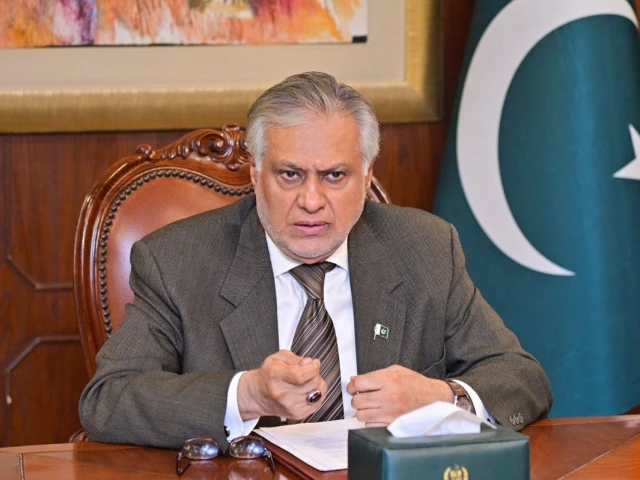
Deputy Prime Minister Ishaq Dar chaired a meeting of the National Steering Committee on Fuel Subsidy in Islamabad on Thursday to review implementation following the scheme’s nationwide rollout.
The committee examined progress on registration, fuel token redemption and payments to petrol stations. Dar ordered a round the clock mechanism for handling complaints and technical problems faced by consumers and fuel stations.
He also directed that no eligible citizen presenting a valid fuel token should be turned away and stressed that the relief should reach intended beneficiaries without unnecessary complications.
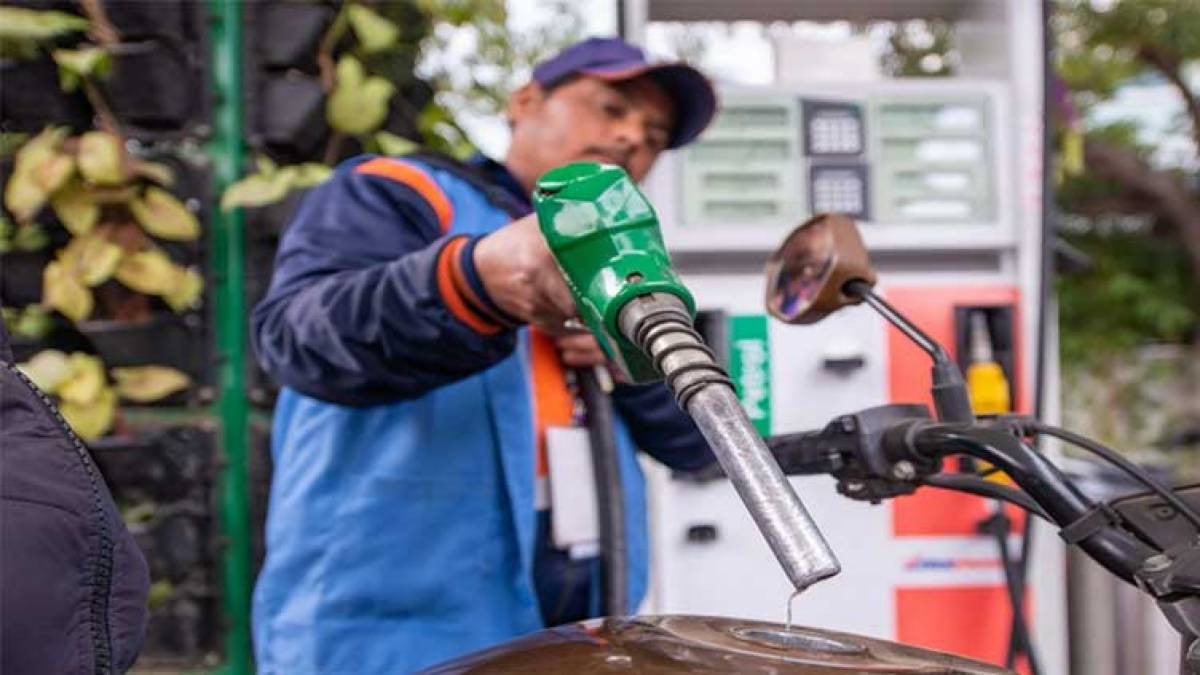
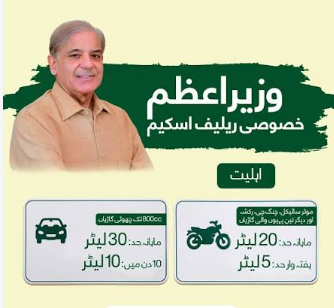
The scheme was launched nationwide after an initial pilot in Islamabad. It covers motorcycles, rickshaws and other three wheelers, as well as cars with engine capacities of up to 800cc. The relief is available to non commercial users and is limited to one vehicle per user or owner.
Under the approved mechanism, two and three wheelers receive Rs 500 per week, equivalent to five litres at a subsidy of Rs 100 per litre. Cars up to 800cc receive Rs 1000 for 10 days, based on a monthly limit of 30 litres at the same subsidy rate. The Economic Coordination Committee has approved Rs 75 billion for the programme.
Registration is conducted through the Fuel Pass System. Applicants provide their CNIC number, vehicle registration number, province and vehicle registration date, while fuel tokens are generated through the designated SMS system.
The government has also allocated Rs 25 billion per month for the scheme, with Rs 25 billion released to the State Bank of Pakistan for the first month. Petroleum dealers have been told that their claims will be processed within 48 hours.
The relief programme comes as the government responds to higher international petroleum prices linked to continuing tensions in the Middle East. At the same time, the government has announced wider fuel conservation and austerity measures, including a temporary 50 percent reduction in fuel allocations for official vehicles.
The success of the scheme will now depend less on its announcement and more on its delivery. Registration, token redemption, petrol station payments and complaint handling will determine whether the subsidy reaches the people it is intended to support.