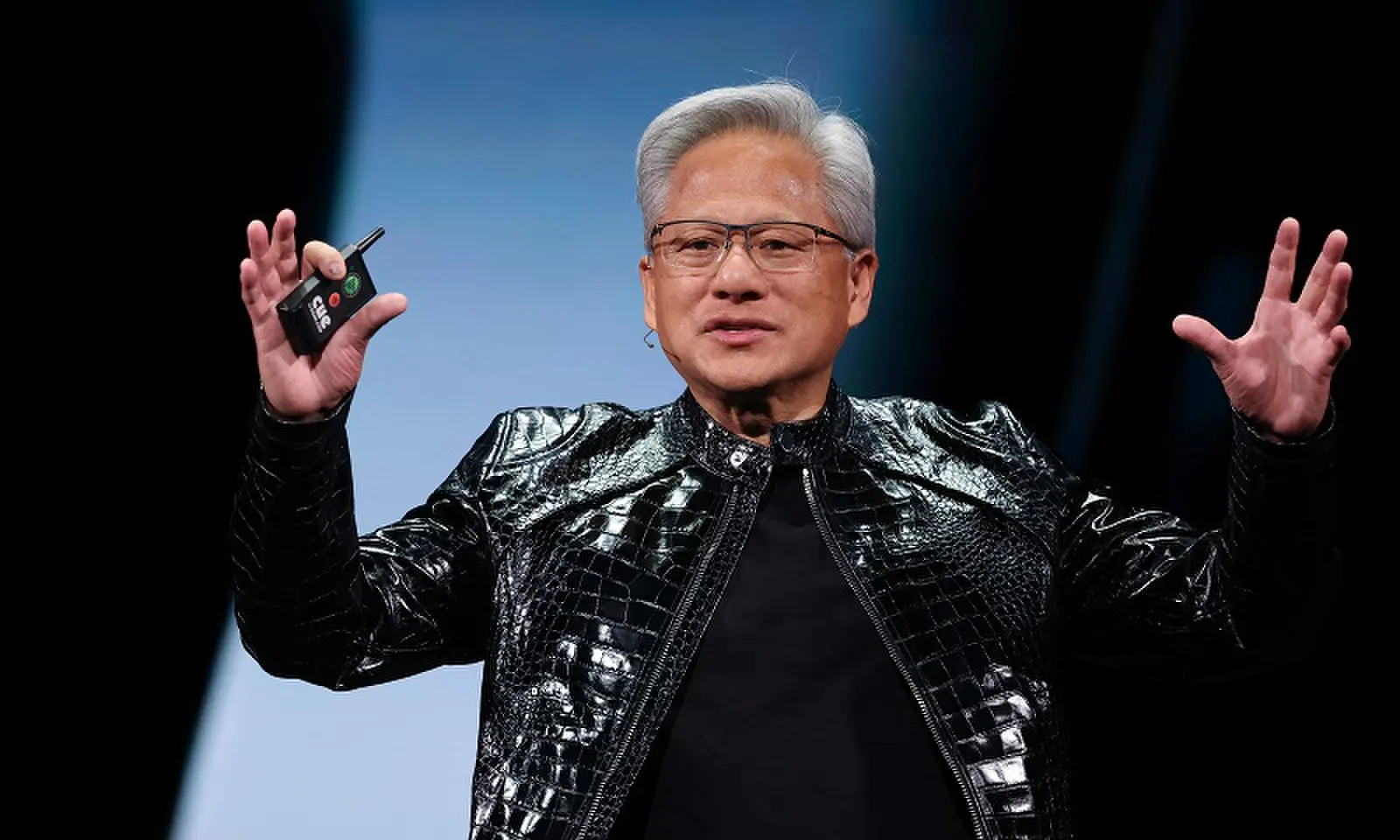
San Francisco: Nvidia's board has launched an independent investigation into allegations that chief executive Jensen Huang may have been targeted by a Chinese intelligence operation, following a media report about his relationship with a businesswoman investigated by US authorities.
The investigation, announced on Monday, November 9, follows reporting by The New York Times concerning Alice Huang, a former executive at Singapore based Megaspeed who is not related to the Nvidia chief executive.
According to the newspaper, US authorities investigated Alice Huang and concluded that she was a Chinese intelligence asset. The allegation has not been independently established, and Nvidia has said it has no reason to believe that company information or US national security was compromised.
A committee of independent directors, supported by external legal counsel, will oversee the review. Nvidia said Jensen Huang would cooperate fully with the investigation and remain in his position.
Huang acknowledges personal relationship
In a message to employees, Huang acknowledged being unfaithful to his wife and accepted responsibility for his conduct.
"My actions hurt her and our children. There is no excuse for what I did. I am deeply sorry," he said. Huang also apologised to colleagues, shareholders and business partners, saying he remained committed to Nvidia and would work to regain their confidence.
The admission followed an earlier interview with Bloomberg News in which Huang described his interactions with Alice Huang as normal business dealings connected to Megaspeed. The board said it retained confidence in Huang and his leadership team.
Investigation raises questions over chip exports
The allegations carry implications beyond Nvidia's internal governance because of the company's position in the global semiconductor industry.
Megaspeed purchases artificial intelligence chips from Nvidia and has reportedly faced scrutiny from US authorities over suspicions that it helped China obtain advanced processors subject to American export restrictions.
Washington has imposed controls since 2022 to limit China's access to certain high performance semiconductors and manufacturing equipment, citing national security concerns.
Nvidia's processors are used to train and operate artificial intelligence systems, making the company central to competition between the United States and China over advanced computing technology.
The investigation will examine whether the alleged intelligence operation resulted in unauthorised access to information, although no such breach has been established.
Washington seeks answers
The controversy has also attracted attention from US lawmakers. In a letter dated November 4, senior Republican members of the House of Representatives requested that Huang brief Congress about the allegations.
They raised concerns about China's potential access to sensitive American technology and called for an assessment of any national security implications.
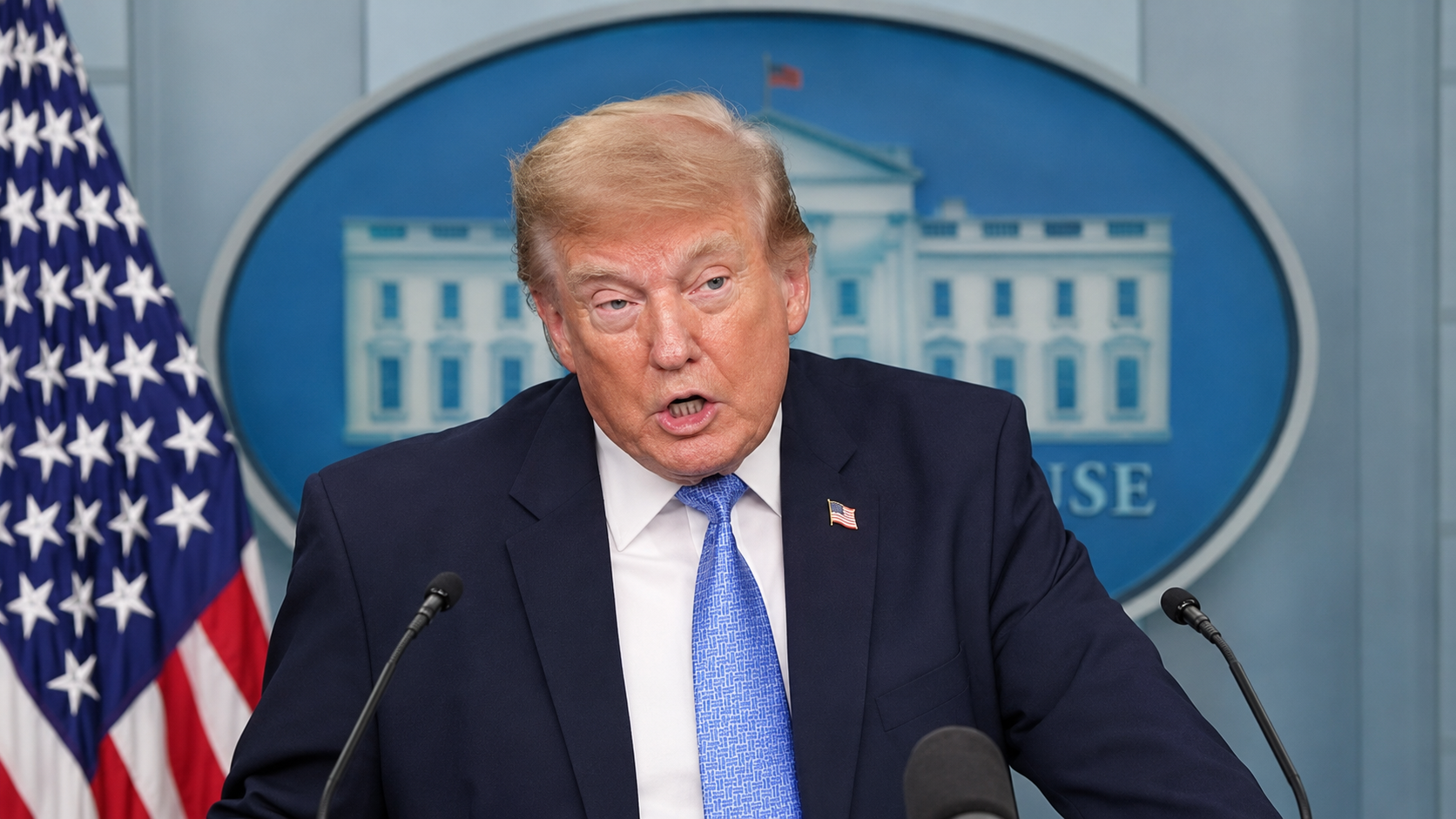
President Donald Trump said on Sunday that he had not discussed the matter with Huang and expressed confidence in the Nvidia chief executive. US Secretary of State Marco Rubio declined to comment when questioned by reporters, while China's foreign ministry had not immediately responded to a Reuters request for comment.
Investor concerns over Nvidia's leadership
The investigation comes as Nvidia faces pressure from investors questioning whether spending on artificial intelligence infrastructure can sustain the company's valuation.
The chipmaker, valued at approximately USD 4.5 trillion in the report, has reportedly surrendered its share price gains for the year amid a broader decline in technology stocks. Huang co founded Nvidia and has led the company for more than three decades, overseeing its transformation into a major supplier of processors used in artificial intelligence.
Dan Ives of Yorkville Ives & Co said the investigation could create uncertainty over Huang's position and increase congressional scrutiny of Nvidia's business with China. Josh Gilbert, an analyst at eToro, said the consequences for shareholders would depend largely on whether the inquiry resulted in a leadership change.
For now, Nvidia's board has publicly backed Huang while committing to an independent examination of the allegations. The findings will be important in determining whether the controversy remains a matter of corporate governance or develops into a wider investigation involving technology security and US China relations.