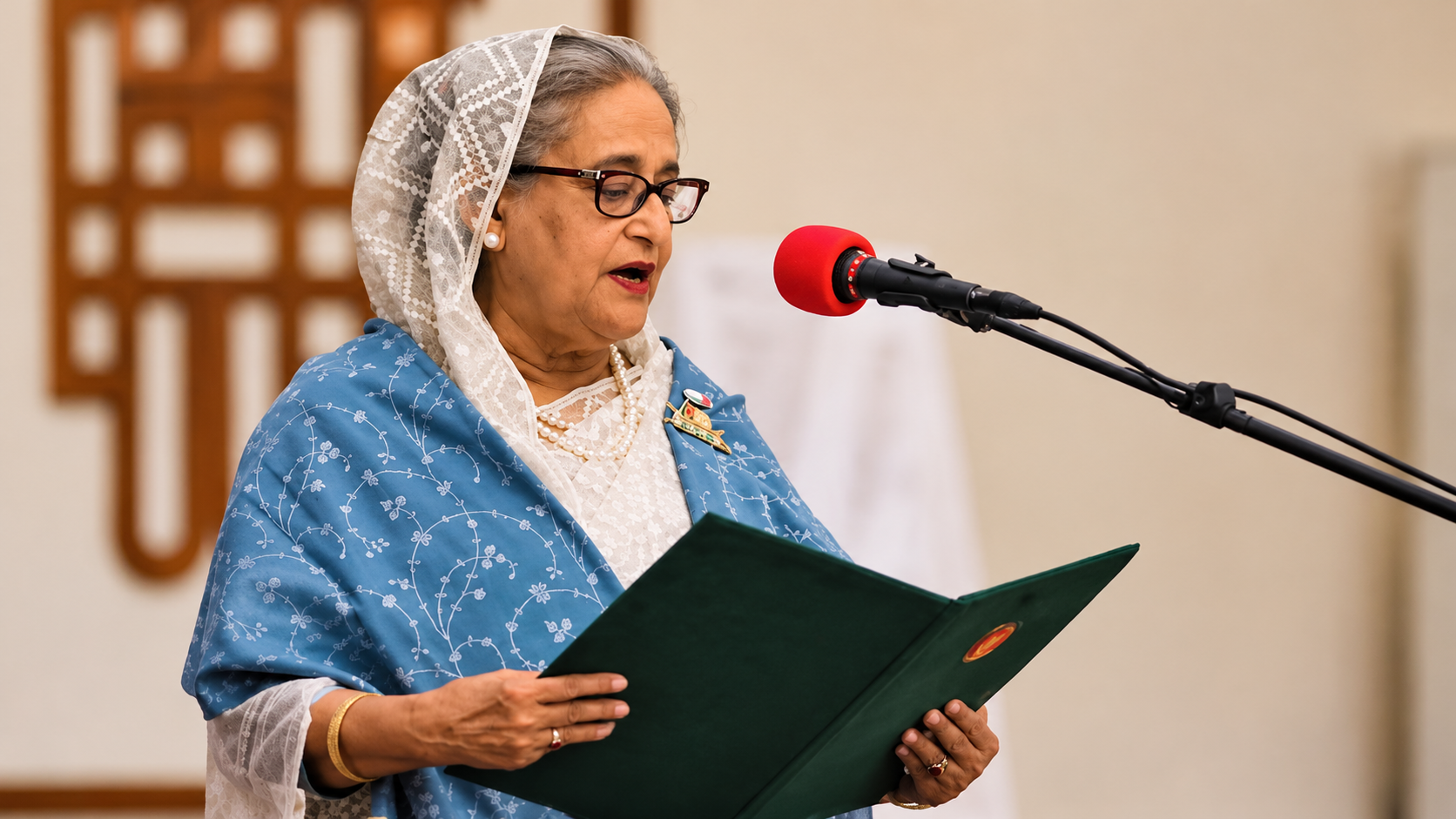
Dhaka: Former Bangladesh prime minister Sheikh Hasina has formally requested a new passport and National Identity Card (NID) to facilitate her return from India, where she has lived since being removed from power during the student-led uprising in August 2024.
According to Reuters, the request was made on Monday through her lawyers at London-based Matrix Chambers in a letter addressed to Preeti Rahman, the acting Bangladeshi high commissioner in New Delhi.
The application represents Hasina's first formal communication seeking replacement identity documents since her departure and comes ahead of her proposed return to Bangladesh in December.
Hasina previously told Reuters that she intended to return to the country and surrender before a court. Her aides said the date would be announced once the necessary administrative procedures were completed.
Legal proceedings and passport request
In November 2025, Bangladesh's International Crimes Tribunal sentenced Hasina to death in absentia over her alleged role in ordering a crackdown on demonstrations that led to the collapse of her government.
Hasina has denied the charges. Her planned return would bring her into direct contact with Bangladesh's judicial system and could reopen political disputes surrounding her removal from office.
In their letter, her lawyers referred to the reported cancellation of her passport and identity card by the interim administration and other authorities.
They requested replacement documents on the basis of her Bangladeshi nationality and called for the applications to be processed without delay, citing international human rights obligations.
Neither the Bangladeshi diplomatic mission in New Delhi nor representatives of Prime Minister Tarique Rahman's government had immediately responded to requests for comment, Reuters reported.
Hasina served as Bangladesh's prime minister for approximately 20 years across multiple terms before the 2024 uprising ended her rule. Her Awami League, previously one of the country's principal political parties, was subsequently banned. Several party officials have been imprisoned, while others remain outside Bangladesh.
Although Hasina continues to retain support among sections of the population, her return could intensify disagreements over accountability for the 2024 crackdown and the country's political transition.The proposed return also carries diplomatic implications for relations between Bangladesh and India.
New Delhi's decision to provide refuge to Hasina contributed to tensions with Dhaka following the change of government. Her return could remove one source of disagreement, although its effect on bilateral relations would depend on the response of both governments.
For Bangladesh, the immediate questions concern whether replacement documents will be issued, how authorities will handle Hasina's arrival and what legal procedures will follow her surrender. Her lawyers' request marks a procedural step towards her return, but no confirmed date has been announced.