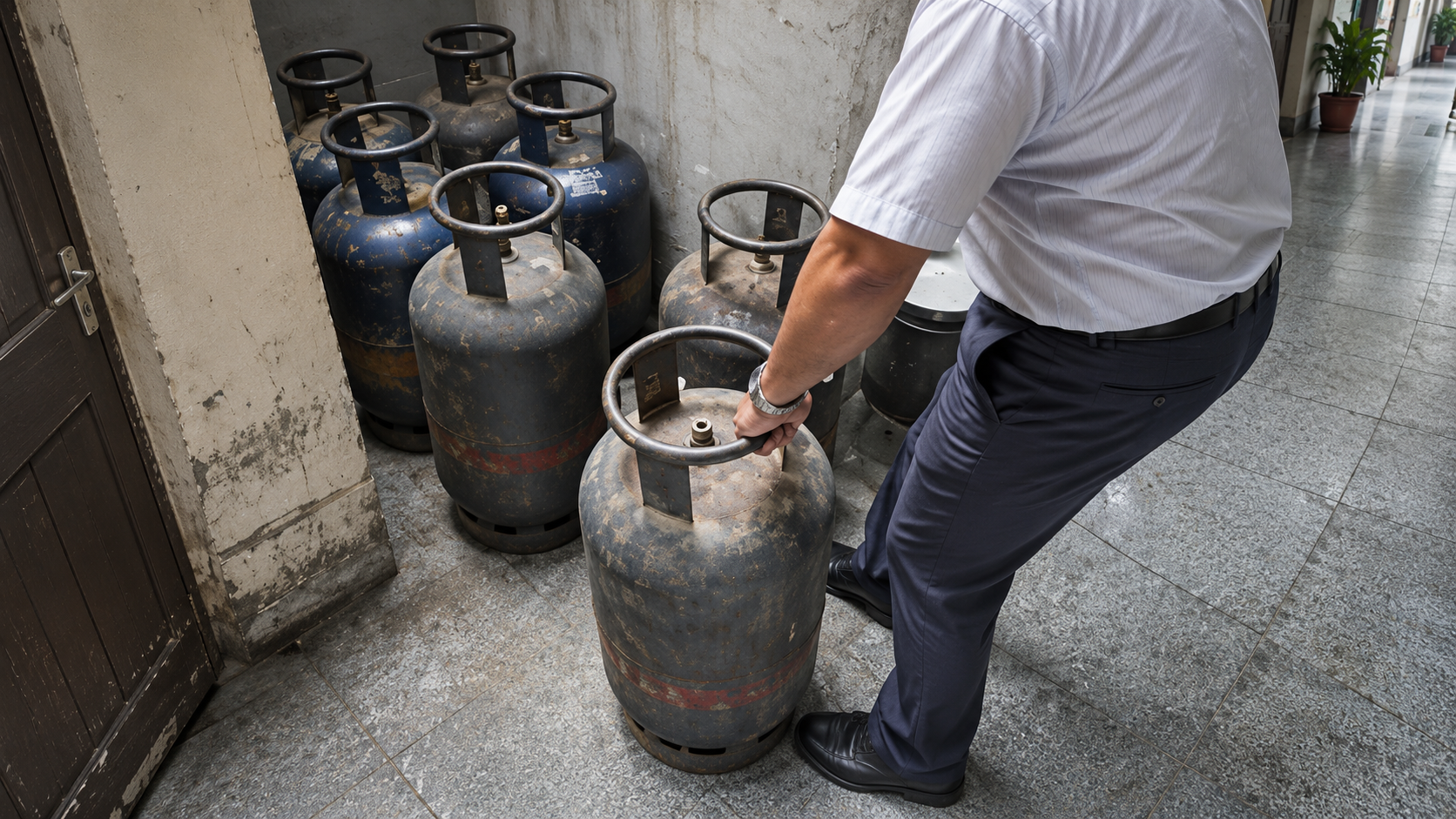
Peshawar: Residents across Khyber Pakhtunkhwa are struggling to meet their cooking fuel needs as interruptions in natural gas supply coincide with a rise in liquefied petroleum gas (LPG) prices, which have exceeded Rs 600 per kilogramme in parts of the province.
The shortage has affected households in Peshawar and other districts, where residents report prolonged gas load-shedding and limited supplies during the day.
According to a report published on Monday, November 23, LPG prices have risen from approximately Rs 380 to more than Rs 600 per kilogramme within a month, while consumers in some rural areas are paying as much as Rs 620.
The increase has placed additional pressure on families already facing higher household expenses, particularly those that rely on LPG cylinders when piped gas is unavailable.
Residents have called on the authorities to restore gas supplies and prevent dealers from charging prices above the rates notified by the regulator. The disruption has also affected transport services. Motorists have reported queues outside compressed natural gas (CNG) filling stations, while some rickshaw drivers have switched to LPG because of difficulties obtaining CNG.
The change has increased demand for LPG, which is also used for cooking and heating. Traders have been accused of taking advantage of shortages by setting prices without regard to regulatory limits. These allegations have not been established against individual retailers.
Pakistan's Oil and Gas Regulatory Authority (OGRA) notified a maximum LPG consumer price of approximately Rs 294.07 per kilogramme for November 2026, effective from November 1. The corresponding price for an 11.8kg domestic cylinder was fixed at Rs 3,470.09.
At a market price of Rs 600 per kilogramme, the same quantity of LPG would cost Rs 7,080, more than twice the notified price. The difference illustrates the financial impact on consumers, although the reported market rates have not been independently verified at every location.
The shortage comes as temperatures begin to fall and households increase their use of gas for cooking and heating. Pakistan has faced recurring gas supply constraints during winter, when demand rises and the availability of fuel does not always meet the requirements of households, businesses and transport operators.
Khyber Pakhtunkhwa receives natural gas through the Sui Northern Gas Pipelines Limited (SNGPL) network, which also supplies consumers in Punjab and other regions.
On October 15, Khyber Pakhtunkhwa Governor Faisal Karim Kundi directed SNGPL officials to minimise gas load shedding for domestic consumers during winter. The directive followed concerns about the availability of gas and the effect of supply interruptions on households.
Supply difficulties have also been reported in the LPG market. In October, retailers in Peshawar were selling LPG for approximately Rs600 per kilogramme, while prices in some other areas of the province were reported to be higher. Traders attributed part of the disruption to restrictions on cross border supplies and shortages in the domestic market.
However, the persistence of prices above OGRA's notified rate has also raised questions about enforcement and the monitoring of LPG distributors. Consumers say that, without piped gas, they have little choice but to purchase cylinders at the prices available in their neighbourhoods.
For households with limited incomes, the increase can require them to reduce spending elsewhere to maintain cooking fuel supplies. The impact extends to rickshaw drivers and other transport workers, who must account for higher fuel costs when calculating their daily earnings.
Residents have demanded that the provincial and federal authorities coordinate with gas suppliers and regulators to improve availability and investigate overcharging.
The central issue is not only the shortage of gas but also the cost of the alternatives available to consumers.
Without improvements in supply and enforcement of notified LPG prices, households may continue paying considerably more for cooking fuel during the winter months.